Home Planning & Renovations
Can You Live in Your NYC Apartment During a Renovation? What Homeowners Need to Know
By Adam Blake
Short answer: You can sometimes live in your NYC apartment during a renovation, but it depends on the scope of work, your building’s rules, and DOB requirements. Full kitchen renovations usually require temporary relocation, while bathroom renovations may be livable only if you have a second bathroom.
This guide gives a transparent, street‑smart answer, no sugarcoating, so you can decide what’s realistic for your apartment.
The Real Factors That Determine If You Can Live in Your Apartment During a Renovation in NYC
Before we break this down by room, here’s what actually matters in NYC:
- Scope of work (cosmetic refresh vs. full gut renovation)
- Dust and noise tolerance (there is no such thing as dust‑free)
- Building type (co‑op vs. condo)
- DOB filings and Tenant Protection Plans (TPP)
- Work hours mandated by the building (often 9 am–4 pm)
If any contractor tells you living through a renovation is “easy,” that’s your first red flag.
Related article: NYC Apartment Renovation: Full Guide for Homeowners
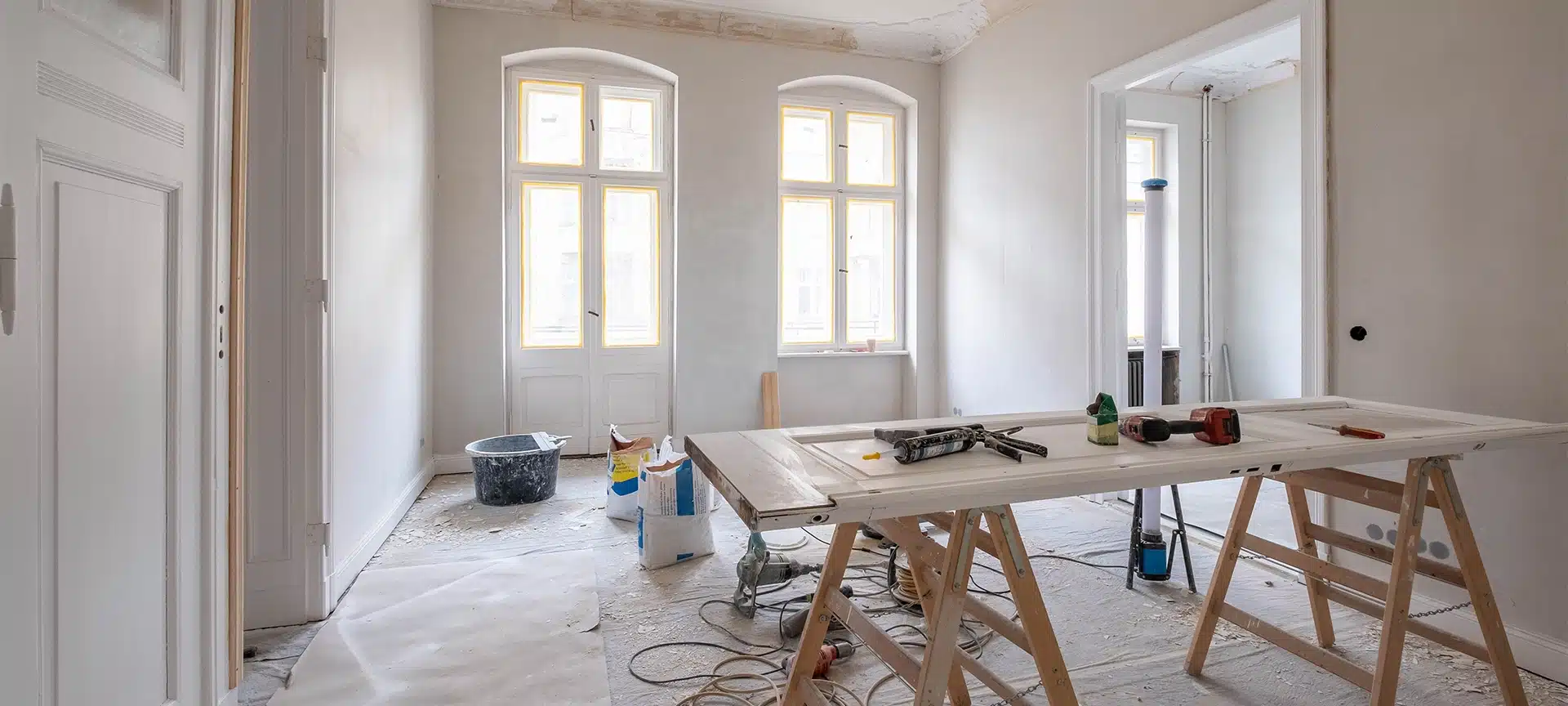
Living Through a Kitchen Renovation in NYC
Can you stay?
Usually not comfortably, and sometimes not at all.
A full kitchen renovation typically means:
- No stove, sink, or dishwasher for 3-6 weeks
- Daily demolition noise during approved work hours
- Limited access to water at certain stages
- Dust migration, even with containment
What makes it harder in NYC
- Many co‑ops require kitchen shutdowns during plumbing and gas work
- DOB inspections may pause progress unexpectedly
- If appliances are being replaced, 2026 NYC Energy Code compliance may require upgraded electrical or ventilation
When staying might be feasible
- Partial kitchen renovation (cabinet refacing, surface upgrades)
- Temporary kitchenette set up in another room
- Buildings that allow flexible staging
Reality check: eating takeout for a month sounds manageable, until day 10.
Related Article: How to Survive a Kitchen Renovation
Living Through a Bathroom Renovation in NYC
Can you stay?
Yes – if you have a second bathroom.
Bathroom renovations are often more “stay‑in friendly,” but only under the right conditions:
- You must have another functioning bathroom in the apartment
- Plumbing shutoffs must be carefully scheduled
- Wet‑over‑dry rules must be strictly followed
NYC‑specific considerations
- Co‑ops often require full waterproofing documentation
- DOB‑filed work requires a Tenant Protection Plan outlining dust, noise, and debris controls
- Water shutoffs are usually limited to specific hours
Without a second bathroom, staying is rarely realistic.
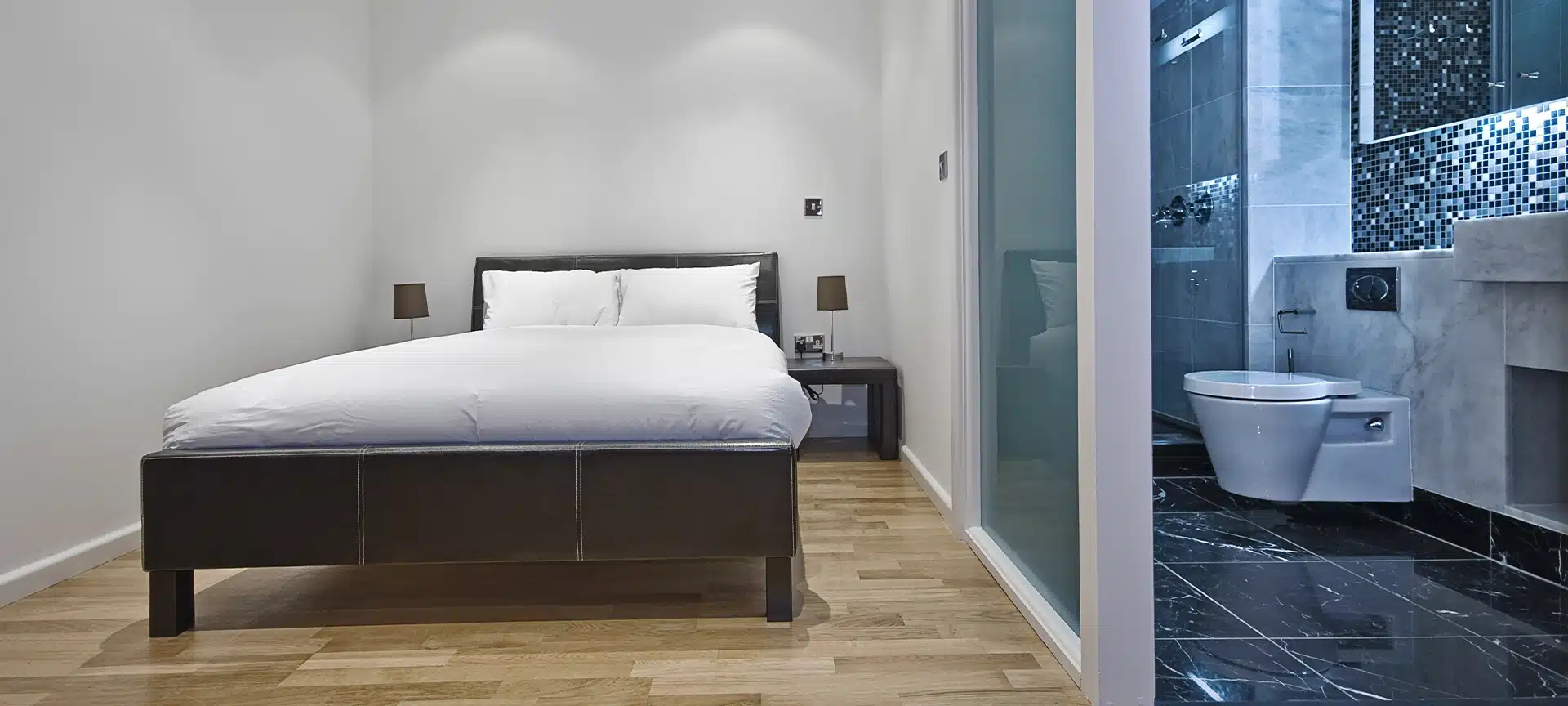
Co‑Op vs. Condo: Why It Changes Everything
Co-op and condo renovations in NYC follow different rules, timelines, and approval processes, which can significantly affect how a renovation is planned and executed.
Co‑Op Renovations
Co‑ops are stricter by design:
- Detailed alteration agreements
- Limited daily work hours
- Mandatory approvals before each phase
- Higher scrutiny on noise, debris, and neighbor impact
Living through a co‑op renovation is possible only with tight scheduling and professional containment.
Condo Renovations
Condos are typically more flexible:
- Longer work hours (depending on bylaws)
- Faster approvals
- More tolerance for phased work
Still, flexibility does not eliminate dust, noise, or disruption.
2026 Rules You Can’t Ignore
NYC renovation regulations continue to tighten, and recent DOB enforcement trends mean homeowners planning renovations now must account for stricter Tenant Protection Plan requirements and updated energy code compliance.
- Tenant Protection Plans (TPP) & Inspections: As of 2026, the DOB requires weekly inspections for compliance with your TPP. If your contractor doesn’t maintain the dust barriers or egress paths listed in the plan, the city can issue a Stop Work Order, leaving you in a half-finished apartment indefinitely.
- Local Law 154 (Electrification): Replacing a gas stove with induction? The 2026 Energy Code often triggers a full electrical load letter requirement for your building. This can turn a “simple swap” into a weeks-long electrical upgrade where you have no power in the kitchen at all.
These rules exist to protect occupants, but they also affect how livable your apartment is during construction.
The Honest Pros & Cons of Staying
Pros
- Avoid short‑term housing costs (which can add 20–35% to total project spend)
- Maintain access to personal belongings
- Stay close to work and school routines
Cons
- Daily stress from noise and dust
- Loss of privacy
- Work‑from‑home disruption
- Emotional fatigue (this is real and underestimated)
Transparency matters: most clients who plan to stay end up relocating temporarily, even if just for the hardest weeks.
Stay vs. Go: The 2026 NYC Reality Check
| Factor | Staying in the Apartment | Moving Out (Temporary Housing) |
|---|---|---|
| Daily Cost | $0 (Base Rent/Mortgage) | $175 – $450+ per night (Furnished) |
| Project Speed | Slower (Phased work needed) | 15–25% Faster (Full site access) |
| Stress Level | High (Dust, Noise, No Kitchen) | Low (Clean, functional space) |
| DOB Filing | Requires TPP (Tenant Protection Plan) | Often simpler Site Safety plans |
| Privacy | Limited (Workers 9 am–4 pm) | Full Privacy |
*Data Note: Average NYC furnished one-bedrooms now range from $5,400 to $10,000+ per month.
How to Make Staying More Manageable (If You Do)
If you’ve crunched the numbers and decided to stay, don’t just “wing it.” Use our expert protocol:
- The Induction Hack: Buy a portable induction burner and a high-end toaster oven. Do not rely on your old stove being “temporarily” hooked up.
**Pro Tip:** If your electrical load letter requires an upgrade for a new stove, it’s also the perfect time to look into low-silica, health-conscious countertop materials that complement your new induction setup.
- The Zip-Wall Standard: Ensure your team uses professional plastic containment (like Zip-Wall systems) with HEPA air scrubbers. Standard plastic and tape aren’t enough for NYC dust.
- The “Off-Site” Workday: If you work from home, budget for a co-working space during the demolition phase (usually the first 5–10 days). No noise-canceling headphones can beat a Manhattan jackhammer.
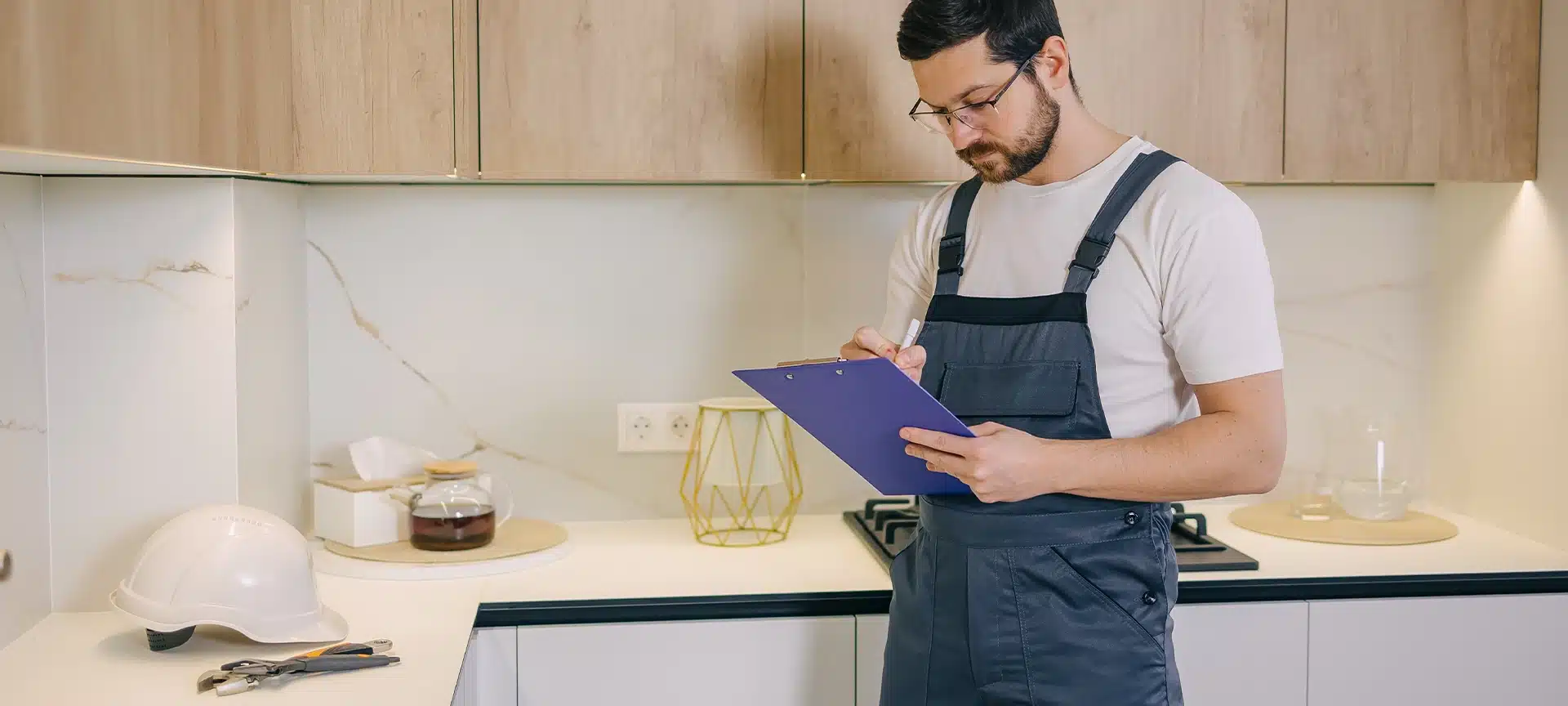
Why MyHome Makes Staying (Or Going) Easier
At MyHome, our Under One Roof design-build process is designed to navigate the exact 2026 hurdles mentioned above:
- We Handle the TPP: We don’t just follow Tenant Protection Plans; we handle the filing and compliance so you don’t have to worry about DOB Stop Work Orders.
- Coordinated Scheduling: We align our design, permit, and construction teams to ensure the “no-cook” or “no-shower” phases are as short as possible
- Phased Logistics: For those staying in, we set up professional Zip-Wall containment and HEPA air scrubbers as a standard, not an upgrade.
We don’t promise dust‑free renovations, we promise managed ones.
Final Verdict: Should You Live in Your NYC Apartment During a Renovation?
- Bathroom only + second bath? Possibly.
- Full kitchen renovation? Plan for partial or full relocation.
- Co‑op with strict rules? Staying is challenging but sometimes feasible.
- Condo with phased work? More flexibility, still disruptive.
The right answer depends on your apartment, building, and renovation scope, not optimism.
Don’t Guess. Get a Reality Check.
The difference between a “manageable” renovation and a nightmare is a solid plan.
Before you decide to pack your bags or buy a toaster oven, let’s look at your building’s specific rules and your project scope together.
FAQ: Quick Answers NYC Homeowners Ask
Can I live in my apartment during a kitchen renovation in NYC?
Sometimes, but it’s usually uncomfortable. Most homeowners relocate temporarily.
Can I live at home during a bathroom renovation?
Yes, if you have another working bathroom.
Do NYC rules require me to move out?
Not automatically. Requirements depend on scope, permits, and building rules.
Is dust unavoidable during renovation?
Yes. Containment reduces it, but it cannot be eliminated.
Do I need a Tenant Protection Plan if I live in my apartment during renovation?
Yes. If your renovation requires DOB permits, a Tenant Protection Plan is mandatory and outlines how dust, noise, debris, and egress will be managed while the apartment is occupied.

Adam Blake
Related Posts

How Much Does It Cost to Replace Kitchen Cabinets?
Replacing kitchen cabinets is one of the most impactful upgrades you can make during a...
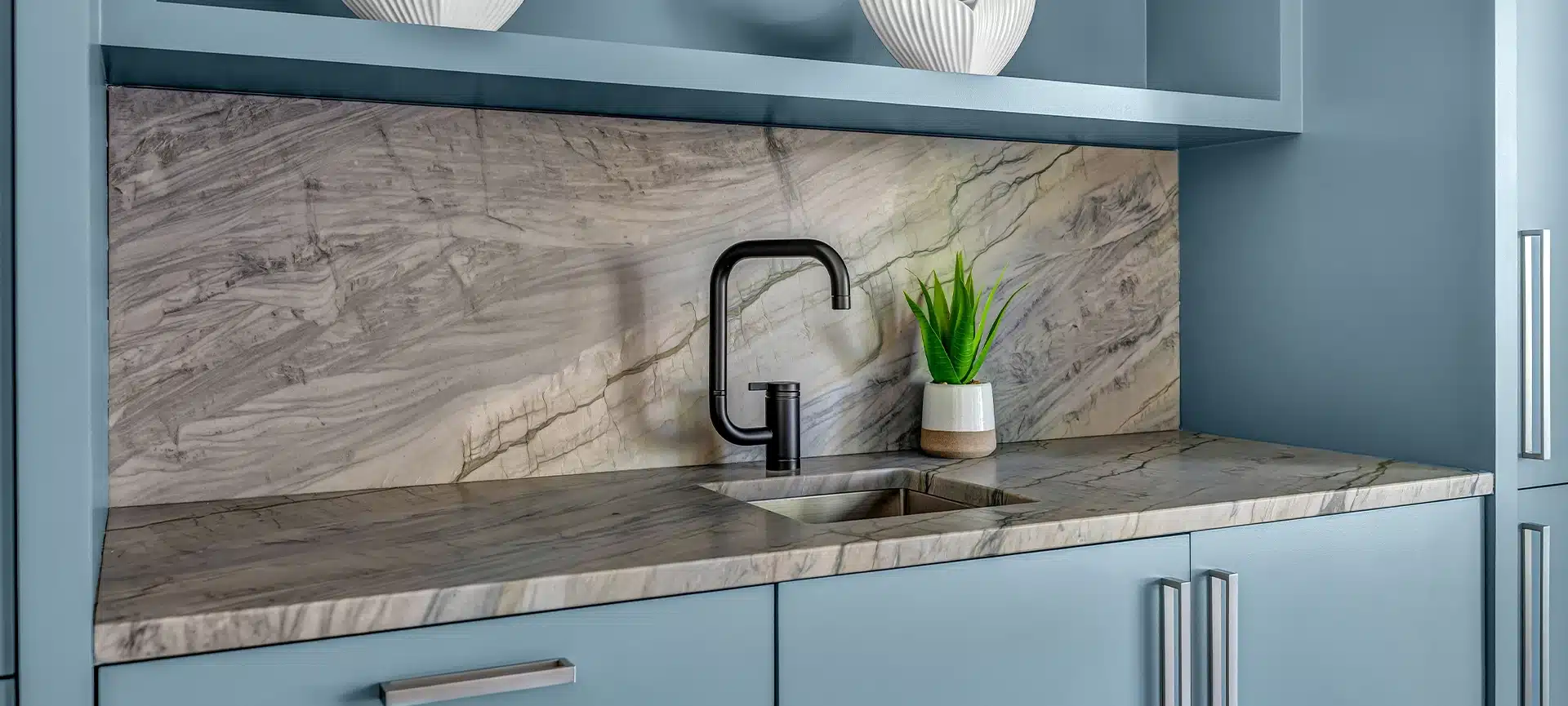
Safe Kitchen Countertops NYC: Healthier Choices by MyHome Experts
When renovating a kitchen in New York City, choosing safe kitchen countertops in NYC is...

NYC Co-op Bathroom Remodel Cost Guide 2026: Board Rules & Real Pricing
Remodeling a bathroom in a NYC co-op is a financial and logistical challenge that differs...