Home Planning & Renovations
What Your Contractor Should Handle So Your Co-op or Condo Board Approves Your NYC Renovation
By Ofek Dahan
When it comes to contractor board approval NYC, most homeowners assume the paperwork is their problem—hours spent chasing insurance certificates, filling out alteration agreements, and fielding emails from the managing agent. But if your contractor can’t navigate your building’s approval process, they’ll struggle with the renovation itself.
It doesn’t have to be that way. A full-service contractor should own this process end-to-end. When they do, approval rates climb and timelines compress. When they don’t, you become the unpaid project manager you never signed up to be.
This guide explains exactly which steps your contractor should handle—so you can hold them accountable before you sign.
At a glance
- Demand full board-approval ownership — your contractor should prepare, submit, and manage revisions to the alteration agreement without you touching the paperwork.
- Verify insurance documentation is their job — expired certificates or missing endorsements stall approvals, and a full-service contractor monitors and renews proactively.
- Expect contractor-led board communication — questions from the managing agent, building engineer, and board should route through your contractor, not you.
- Confirm city permits are handled in parallel — DOB filings and board approval are separate tracks that a qualified contractor coordinates simultaneously.
- Ask about track record before signing — a contractor who has never been rejected by a building signals they understand what boards require.


Why Board Approval Is the First Test of Your Contractor’s Competence
Short answer: If your contractor can’t get your board to say yes, they’re not ready to manage your renovation. Board approval reveals whether they understand NYC building culture, have their documentation in order, and can communicate professionally with managing agents.
Co-op and condo boards are protective by design. They’re guarding the building’s infrastructure, the neighbors’ quality of life, and their own liability exposure. A renovation request that arrives incomplete, poorly explained, or with expired insurance certificates signals that the contractor will be a headache throughout construction.
A crisp, professional submission package—assembled by someone who has done this hundreds of times—tells the board this project will be managed responsibly.
The Hidden Cost of Doing It Yourself
Some contractors will tell you that board approval is “the owner’s responsibility.” They’ll hand you a list of documents and wish you luck.
That approach costs more than you think. Owners who manage their own approval process spend 15-25 hours on paperwork, phone calls, and email chains. Each revision cycle adds weeks. According to industry sources, board approval can take anywhere from one month to a full year depending on the scope of work.[1]
The savings from a contractor who “doesn’t handle board approval” evaporate quickly when you’re three months into back-and-forth with no construction start date in sight.
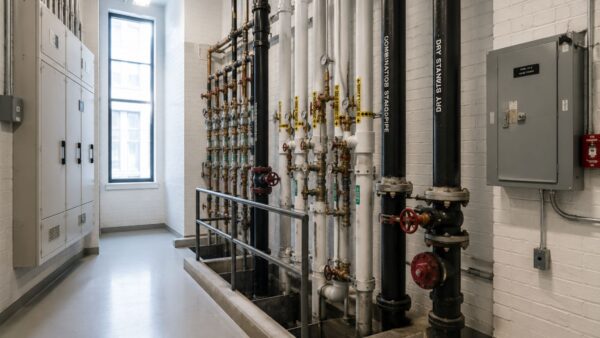

Seven Things Your Contractor Should Handle for NYC Board Approval
Short answer: A full-service contractor should obtain the alteration agreement, prepare the submission package, provide insurance documentation, coordinate with the super, liaise with the managing agent, respond to board objections, and handle city permits in parallel. If they’re not doing all seven, you’re doing their job.
1. Obtaining and Completing the Alteration Agreement
An alteration agreement is the contract between you and your building that governs your renovation—what you can do, when you can do it, and who’s liable if something goes wrong. Your contractor should request the current version from the managing agent, complete the relevant sections, and coordinate any revisions.
You should receive a copy to review. You shouldn’t have to fill it out.
2. Preparing and Submitting the Board Package
The board package typically includes a formal scope letter, architectural plans, contractor and subcontractor licenses, and insurance certificates. Your contractor should assemble this package, ensure every document is current, and submit it to the managing agent on your behalf.
A well-prepared package reduces revision requests. A sloppy one signals to the board that they’ll be babysitting your project.
3. Providing Insurance Documentation That Meets Building Requirements
Most buildings require your contractor to carry general liability and workers’ compensation insurance. The building will typically require your contractor to have a certificate of insurance that names the board and managing agent as additional insureds.[1]
Your contractor should provide current certificates that meet your building’s specific requirements—without you having to ask twice. Expired or incomplete certs are one of the most common reasons board submissions stall.
4. Coordinating With the Building Super Before Submission
The superintendent knows your building’s quirks: which risers are problematic, where previous renovations caused issues, what the board has historically approved or rejected. A contractor who meets with the super before submitting plans can anticipate objections and adjust accordingly.
This meeting should happen automatically. You shouldn’t have to suggest it.
5. Liaising With the Managing Agent and Board
Once the package is submitted, questions will come. The managing agent may need clarification on the scope. The building’s engineer may have technical concerns. The board may want to discuss the timeline.
Your contractor should be the single point of contact for all of this. You stay informed through weekly updates, but you don’t manage the back-and-forth.
6. Responding to Board Objections and Revision Requests
Boards rarely reject a renovation outright. More often, they’ll ask for changes: additional soundproofing, clarification on wet-over-dry conditions, proof that the electrical upgrade won’t affect neighboring units.
Your contractor—working with their architect—should respond to these requests directly. You shouldn’t be the messenger between your contractor and your board.
7. Handling City Permits So You Don’t Have Two Processes
Board approval and Department of Buildings permits are parallel tracks. A full-service contractor manages both simultaneously, ensuring that DOB filings don’t hold up board-approved work and vice versa. Our DOB NOW filing guide explains how this works.
Contractors who separate “board approval” from “permit management” are creating unnecessary complexity—and often charging you twice for coordination you should get once.
What Happens When Your Contractor Doesn’t Own the Process
Short answer: You become the project manager. Every question from the board routes through you. Every missing document is your problem. And every delay compounds because no single party is accountable.
The Back-and-Forth Trap
Each revision cycle adds weeks to your timeline. When the contractor isn’t managing board communication, you’re translating between your architect, your contractor, and the managing agent. Miscommunication is almost guaranteed.
Worse, you lose leverage. A contractor who isn’t accountable for board approval has no incentive to respond quickly to revision requests. After all, it’s not their timeline being extended.
The Insurance Gap That Stops Work
Insurance certificates expire. Additional-insured endorsements get omitted. Coverage limits don’t match building requirements. Any of these can halt your approval indefinitely.
A contractor who owns the process monitors their own insurance documentation and renews proactively. A contractor who doesn’t will shrug when the managing agent flags an expired cert—and expect you to chase the paperwork.
How to Evaluate a Contractor’s Board Approval Capabilities
Short answer: Ask direct questions before you sign. A contractor’s answers—and their willingness to put commitments in writing—will tell you whether they’ll own the process or leave you holding the paperwork.
Five Questions to Ask Before You Sign
- Do you handle alteration-agreement preparation, or is that my responsibility?
- Will you attend board meetings on my behalf if the board requests one?
- Have you worked in this building—or similar buildings in this neighborhood—before?
- What’s your track record with board rejections?
- Do you also manage DOB permits, or will I need a separate expeditor?
The right answers: Yes, we handle it. Yes, we attend. Yes, we have experience. We’ve never been rejected. We manage both.
Red Flags That Signal You’ll Be Doing the Work
- Vague answers like “we’ll coordinate” without specifics
- Separate line-item fees for “expediting” or “board liaison”
- Expectation that you’ll attend all board meetings
- No sample submission package to show you
- Reluctance to discuss their approval track record
What Full-Service Looks Like in Practice
Short answer: At MyHome, we’ve built contractor board approval NYC into our standard process—not as an add-on. We’ve never been turned down by a residential building because we treat board approval as our responsibility, not yours.
One Point of Contact, Start to Finish
When you work with MyHome, you deal with three people in sequence: your Renovation Expert during planning, your Designer during design development, and your Project Manager once construction approaches. The Project Manager owns all board communication and serves as your single point of contact with the building.
You’re never left wondering who’s responsible for the next step.
Transparent Documentation You Can Review
We provide weekly written reports throughout your project, and every cost is itemized in your proposal. Our change-order protocol is straightforward: if we find something unexpected behind the walls, we stop, bring you to see it, explain the issue and exact cost, get your written approval, and then proceed.
This level of documentation isn’t just good project management—it’s what boards want to see. A well-documented project is a compliant project.
Special Considerations for Manhattan vs. Brooklyn Buildings
Short answer: Board culture varies by neighborhood. Older co-ops on the Upper West Side or Upper East Side often have stricter alteration policies and longer review timelines. Brooklyn condos—especially newer construction—tend to move faster. Your contractor should understand these differences.
Pre-war co-ops in Manhattan may limit renovations to summer months, restrict the number of projects happening simultaneously, and require more extensive soundproofing for layout changes. Brooklyn buildings are often more flexible but may have less experienced managing agents who need more guidance.
A contractor with neighborhood-specific experience—like our teams serving the Upper West Side and Brooklyn Heights—can anticipate these differences and adjust the approach accordingly.
Frequently Asked Questions
Who should prepare the alteration agreement—me or my contractor?
Your contractor should request the alteration agreement from the managing agent, complete the contractor-related sections, and coordinate any necessary revisions. You’ll review and sign, but you shouldn’t have to fill it out.
Does my contractor need to attend co-op board meetings?
If the board requests a meeting to discuss your renovation, your contractor should attend—often alongside their architect. You may attend as well, but you shouldn’t be expected to present technical details.
How long does board approval take if my contractor handles everything?
With a complete, professional submission, straightforward renovations can be approved in 4-6 weeks. More complex projects—apartment combinations, significant layout changes—may take several months to a full year.[1]
What happens if the board rejects my renovation plans?
Outright rejection is rare. More often, boards request modifications. Your contractor should respond to these requests, revise plans as needed, and resubmit. If negotiations fail, legal action is possible but rarely successful unless the rejection was discriminatory.[1]


Ready to Stop Managing Your Own Board Approval?
At MyHome, we’ve handled board approval for Manhattan and Brooklyn co-ops and condos for 25 years. We’ve never been turned down by a residential building—because we treat board approval as our job, not yours.
If you’re planning a renovation and want a contractor who owns the process from alteration agreement to final sign-off, book a free consultation. We’ll walk through your building’s requirements, explain exactly what we handle, and give you a clear path to getting started.
Sources
- Brick Underground. “Getting Your Renovation Approved by Your Co-op or Condo Board.” Brick Underground Guide to Renovating in NYC. https://www.brickunderground.com/guides/how-to-renovate/getting-your-renovation-approved-by-your-co-op-or-condo-board

Ofek Dahan
Ofek Dahan is the CEO of MyHome Renovation Experts, dedicated to delivering exceptional remodeling experiences through thoughtful design, quality craftsmanship, and transparent communication. He shares insights on renovation planning, industry trends, and creating homes that are both beautiful and functional for modern NYC living.
Related Posts
What NYC Co-op Renovations Actually Cost—And How to Avoid Budget Surprises
Learn what NYC co-op renovations cost in 2025. Get real price ranges for kitchens, bathrooms,...

Who Can Handle an NYC Galley Kitchen Remodel? What to Look for Before You Hire
Planning an NYC galley kitchen remodel? Learn how to choose a contractor who can manage...

How to Get Your NYC Co-op Board to Approve Your Renovation (Without Getting Rejected)
Learn what NYC co-op boards review, why renovation applications get rejected, and how to build...