Home Planning & Renovations
Board Approval Essentials When Renovating Your NYC Apartment
By Adam Blake
Planning a renovation in a New York City co-op or condo is exciting—but before any work begins, board approval is required. Even with a clear vision and the right contractor, your project must comply with strict building rules, legal requirements, and documentation standards.
Understanding the NYC board approval process early helps prevent delays, rejections, and costly revisions. This guide outlines everything you need to know—from alteration agreements to submission packages—so your renovation moves forward smoothly and efficiently.
Quick Overview: NYC Renovation Board Approval Process
To renovate an NYC apartment, you must submit a complete alteration agreement package that includes architectural drawings, a clearly defined scope of work, contractor credentials, insurance certificates, and a construction schedule.
Your submission is reviewed by the building’s managing agent, reviewing architect or engineer, and ultimately the board. They may request clarifications, revisions, or additional documentation before issuing approval, which is often conditional upon meeting specific requirements.
The Alteration Agreement: Your Starting Point
The alteration agreement is the foundation of any NYC renovation project. It is a legal contract between you and the building that outlines:
- House rules and building policies
- Scope of work requirements
- Insurance requirements and liability terms
- Construction scheduling and permitted work hours
- Protection of common areas
This agreement also includes indemnification provisions, meaning you are financially responsible for any damage caused during the renovation. This can include damage to shared systems, neighboring units, or common areas such as hallways and elevators.
Before starting your project, notify your managing agent and request the building’s alteration package. This package will guide every step of your approval process and will often include detailed submission requirements, fee structures, and building-specific restrictions that must be followed.
Required Documentation and Submission Package
A complete and accurate submission package is essential for approval. Incomplete packages are one of the most common causes of NYC renovation delays.
Your submission typically includes:
- Architectural drawings, prepared by a licensed architect to demonstrate compliance with building codes and show how the renovation affects the structure and systems
- Detailed scope of work, explaining exactly what will be changed, minimizing misunderstandings
- Construction schedule, showing the project timeline and key milestones
- Contractor credentials and licenses, proving that qualified professionals will complete the work safely and legally
- Certificates of insurance, ensuring all parties are protected against accidents or damages during construction
- Engineering documentation, if required, such as for structural or mechanical changes required if your renovation affects the building’s systems
- Formal application letter, introducing your project and formally requesting approval
Some buildings also require:
- Neighbor notification documentation
- Product data sheets for materials
- Load letters for electrical or structural changes
Submitting a well-prepared package reduces the likelihood of revisions and speeds up approval. In many cases, the clearer and more detailed your submission is, the fewer rounds of clarification will be required during the review process.

Professional Roles and Responsibilities
Renovating in NYC involves coordination between multiple professionals, each with a specific role.
Key professionals include:
- Architect – prepares construction drawings and ensures compliance
- General contractor – executes the project and manages subcontractors
- Engineer – provides structural or MEP (mechanical, electrical, plumbing) plans
- Building reviewing architect or engineer – reviews your submission on behalf of the board
- Property manager – coordinates communication and approvals
For more complex projects, specialists such as an acoustical engineer may be required for noise mitigation or soundproofing.
Strong technical coordination between these professionals is essential. Misalignment between drawings, scope, and engineering documentation is a common reason boards request revisions.
Legal and Financial Considerations
Renovations in NYC come with both legal obligations and financial responsibilities.
You may encounter:
- Application fees and review fees
- Legal fees related to the alteration agreement
- Security deposits held by the building
- Costs for the building’s reviewing architect
You are also responsible for:
- Meeting all insurance requirements
- Adhering to bylaws and house rules
- Completing the project within the agreed timeline
Understanding these renovation costs upfront helps avoid unexpected financial strain. Consider consulting a real estate attorney before signing your alteration agreement, especially if you have questions about liability, insurance, or penalties. An attorney can help you negotiate terms, clarify your obligations, and ensure your interests are protected.
Insurance Requirements: A Critical Step
Insurance is mandatory for all renovation projects.
Your contractor must provide:
- General liability insurance (typically $1M per occurrence / $2M aggregate)
- Workers’ compensation insurance
- Disability insurance
The policy must name:
- You (the unit owner)
- The co-op or condo corporation
- The managing agent
This ensures all parties are protected in case of damage, accidents, or liability claims. Without proper insurance documentation, your application will not be approved, and work cannot legally begin.
Work Permits and Department of Buildings Approval
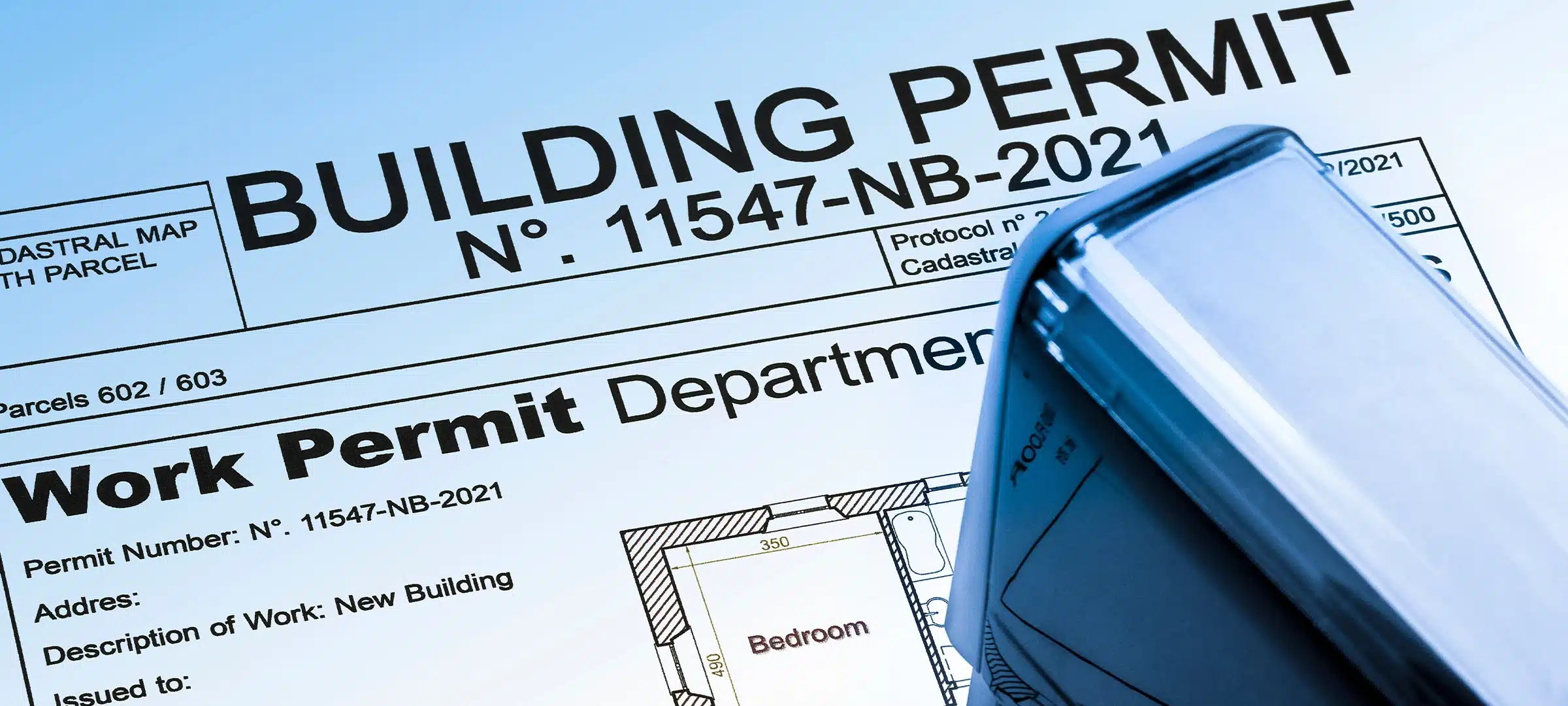
Many renovations require permits from the NYC Department of Buildings (DOB).
You may need:
- DOB filings and approvals
- Construction drawings signed by a licensed architect
- Work permits before construction begins
Additional approvals may apply depending on your project:
- Landmarks Preservation Commission (for landmark buildings)
- Fire Department of New York (FDNY) considerations for fire safety
- Mechanical, Electrical, and Plumbing (MEP) plans for electrical or HVAC changes
Failure to Secure Permits
Failure to secure permits can result in fines or forced project shutdowns. Starting construction without board approval or proper permits can lead to severe consequences, including:
- Immediate work stoppage by building management or city inspectors
- Daily fines imposed by the building or the Department of Buildings
- Legal action or forced removal of unapproved work
- Delays in future sales or refinancing if violations are discovered
Always wait for formal approval and permits before beginning any work.
Related Article: NYC Renovation Permits, Co-op Rules & DOB Steps
Specialized Building Rules and Considerations
Every NYC building has unique rules that must be followed.
Common restrictions include:
- Wet-over-dry rule (prevents placing bathrooms over living spaces)
- Noise restrictions and limited construction hours
- Protection requirements for elevators and common areas
- Service elevator scheduling
- Soundproofing requirements
Some buildings also require:
- Waterproofing materials
- Hazardous materials removal by licensed professionals
Understanding these rules early helps prevent conflicts during construction. Failing to review your building’s alteration agreement and house rules before starting design can result in having to revise or redesign your plans entirely.
Related Article: What’s the average renovation timeline in NYC?
Common Challenges and Board Objections
Even well-planned projects can face delays if certain issues arise.
Common reasons for rejection include:
- Incomplete submission packages
- Vague scope descriptions
- Missing insurance documentation
- Concerns about structural safety
- Excessive noise or disruption
- Electrical load limitations
- Changes affecting building aesthetics
To avoid these issues:
- Work with experienced professionals familiar with NYC board expectations
- Provide a breakdown of the work to be done in each room and specify all materials and fixtures
- Respond quickly to board comments and requests
- Ensure insurance documentation includes the correct legal building name
- Include engineering reports for structural or load-related work
- Address noise concerns proactively with soundproofing or limited work hours
Boards are primarily concerned with risk, disruption, and compliance—addressing these upfront improves approval speed.
Step-by-Step Board Approval Process
Understanding the process helps you stay organized and avoid delays.
1. Submit Your Application
Provide a complete submission package to the managing agent.
2. Initial Review
The building’s architect or engineer reviews your plans.
3. Board Review and Feedback
The board evaluates your project and may request clarifications.
4. Revisions and Coordination
You respond to comments and update your documents if needed.
5. Conditional or Final Approval
Approval may come with conditions that must be met before work begins.
Keep in mind, multiple rounds of review and revision are common. Being responsive and organized throughout the process will help prevent unnecessary delays.

Practical Tips for a Smooth Approval Process
To improve your chances of approval:
- Prepare complete and accurate documentation
- Hire experienced NYC-based contractors
- Follow all house rules and building policies
- Communicate clearly with your managing agent
- Be ready to make revisions if requested
- Meet with your superintendent or property manager before submitting
- Keep neighbors informed to minimize complaints
Early coordination and transparency can prevent avoidable setbacks.
Related Article: 7 Expert Home Renovation Tips NYC Homeowners Need
Final Thoughts
Renovating an NYC apartment requires more than design and construction—it requires navigating a detailed approval process. From alteration agreements to insurance requirements and permits, every step must be handled carefully.
Working with experienced professionals and submitting a complete, well-prepared package will help ensure your project moves forward efficiently, with fewer delays and fewer surprises.
Frequently Asked Questions
What is an alteration agreement in NYC renovations?
An alteration agreement is a legal contract between a unit owner and the building outlining renovation rules, scope of work, insurance requirements, and construction conditions that must be followed during the project.
How long does board approval take in NYC?
The approval process typically takes 2 to 6 weeks for straightforward projects, but more complex renovations or those requiring multiple revision cycles can take several months. Factors such as incomplete submissions, board meeting schedules, or the need for engineering reviews often extend the timeline. It’s wise to build extra time into your renovation schedule.
Why do renovation applications get rejected?
Common reasons include incomplete documentation, unclear scope of work, missing insurance certificates, or concerns about structural safety and building rules.
Do I need permits for apartment renovations in NYC?
Yes, many projects require Department of Buildings approval and work permits, especially for structural, plumbing, or electrical changes.
Can I start construction before board approval?
No. Starting work without approval violates building rules and can result in fines, project shutdowns, or legal issues.
What if my board rejects my application?
Review the board’s feedback, address their concerns, and revise your submission. Most rejections can be resolved with clarification or additional documentation.
How do I appeal or revise a denied proposal?
Address the board’s specific objections, update your plans or documents, and resubmit. If needed, consult a real estate attorney for guidance.
Can I use any contractor, or does the board have a preferred list?
Many buildings require licensed, insured, and sometimes pre-approved contractors. Check your building’s rules or ask management before hiring.
What happens if I discover unpermitted work from a previous owner?
You must resolve unpermitted work before renovating. Consult your architect and building management—retroactive permits or corrections may be required.
How long is my board approval valid?
Most approvals are valid for a set period, often 6–12 months. Start work within this window or request an extension from your building if needed.
Want Your Renovation Approved Faster?
If you’re planning a renovation in NYC, working with experienced architects and contractors who understand building rules and board expectations is essential.
Contact MyHome NYC Renovation Experts and start your project the right way—plan carefully, submit completely, and coordinate professionally.

Adam Blake
Adam Blake is Design Manager at MyHome Renovation Experts, known for blending smart space planning with timeless design. With hands-on experience guiding homeowners through renovations, he understands how to transform kitchens and living spaces into highly functional, beautifully crafted environments.
Related Posts
How to Choose a Renovation Company for Your NYC Co-op: The 8 Questions That Separate Great Contractors from Expensive Mistakes
Learn how to choose a co-op renovation company in NYC. 8 critical questions covering board...

What Your Contractor Should Handle So Your Co-op or Condo Board Approves Your NYC Renovation
Learn what your NYC renovation contractor should handle—alteration agreements, insurance, board liaison—so your co-op or...
What NYC Co-op Renovations Actually Cost—And How to Avoid Budget Surprises
Learn what NYC co-op renovations cost in 2025. Get real price ranges for kitchens, bathrooms,...