Home Planning & Renovations
Pre-War Apartment Renovation in NYC: Challenges, Costs, and Navigating NYC Renovation Rules
By Adam Blake
Few things define New York City living quite like a pre-war apartment. From intricate moldings to solid oak floors and high ceilings, these homes are architectural treasures that capture the soul of the city’s history. But with that charm comes complexity. Renovating a pre-war apartment isn’t just a home improvement project; it’s a careful balance between preservation and modernization.
If you’re considering a pre-war apartment renovation NYC, you’ll face unique challenges that differ from modern buildings, yet, with the right planning and contractor expertise, these apartments can become elegant, functional spaces that honor the past while embracing the present.
What is a Pre-War Apartment? Common Characteristics
Pre-war apartments, generally built before World War II. They are among the most sought-after properties in New York City. Known for their elegant details, high ceilings, and craftsmanship, these spaces capture the city’s architectural history. But for homeowners planning a pre-war apartment renovation NYC, these same features can pose unique technical challenges.
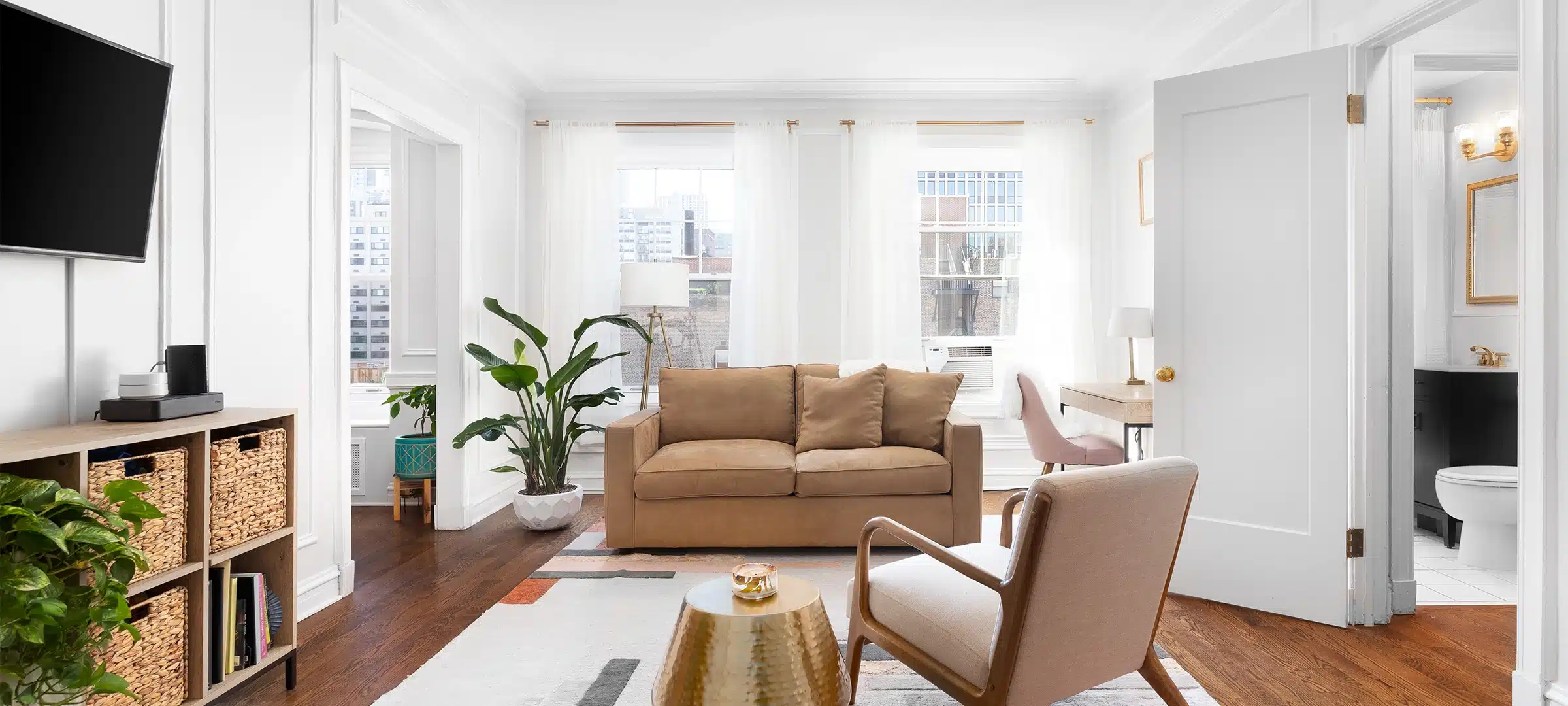
Common characteristics of pre-war homes include plaster walls, original hardwood floors, cast-iron radiators, and solid wood doors. While charming, many of these systems haven’t been updated in decades. Successful NYC historic apartment remodeling requires preserving that old-world beauty while upgrading to meet modern electrical, plumbing, and safety codes.
Top Renovation Challenges in Pre-War Buildings
Renovating older NYC apartments means working around decades, sometimes a century of construction quirks. Structural surprises and outdated systems are common, which can significantly impact your project timeline and budget.
- Hidden Structural Issues:
Behind elegant plaster walls often hide aging materials like deteriorated lath, rusted plumbing, or uneven subfloors. Many pre-war buildings have settled over time, causing walls and floors to lose alignment. Simply painting over them highlights the imperfections. MyHome utilizes Level 5 Skim Coating techniques to resurface old plaster walls, creating a flawless, museum-quality base for your new paint or wallpaper. - Limited Work Hours & Building Restrictions:
Pre-war co-op and condo boards enforce strict renovation rules to protect residents. Work hours are often limited to weekdays between 9 a.m. and 4 p.m., and permits may be required for deliveries or debris removal. Elevators must be reserved for material transport, and superintendents often oversee site activity. These restrictions can extend your project’s timeline if not coordinated in advance. Experienced contractors factor these limits into their scheduling to keep NYC historic apartment remodeling projects on track. - Asbestos and Lead Paint:
Many pre-war apartments contain hazardous materials such as asbestos insulation or lead-based paint. These substances require licensed testing and professional abatement before demolition can safely begin. Removing or encapsulating these materials adds time and cost but ensures a compliant, healthy renovation. Neglecting this step can trigger fines or project delays from the Department of Buildings. Responsible renovation of old buildings NYC always includes early environmental testing as part of planning. - Preservation Rules:
Apartments in landmarked buildings fall under Landmarks Preservation Commission (LPC) regulations. Even interior changes may need approval if they alter historic architectural details. Submitting drawings and product specifications for review can extend the approval process by several weeks. These requirements protect the character of NYC’s heritage buildings but add complexity to renovation planning. Partnering with design teams familiar with LPC guidelines helps ensure your updates respect both history and modern functionality.
Plumbing + Electrical Considerations
Outdated mechanical systems are among the biggest hurdles to a pre-war apartment renovation in NYC. Original plumbing often uses galvanized steel pipes that corrode internally, causing low water pressure and leaks. Replacing them with copper or PEX lines is often necessary.
Electrical systems, meanwhile, rarely meet modern capacity needs. Many pre-war buildings still rely on cloth-wrapped “BX” cable or even Knob and Tube wiring, which are safety hazards. We upgrade these to modern code, installing new dedicated circuits and GFCI outlets to handle modern appliances.
Understanding the NYC DOB Permit Process
Most pre-war renovations in New York City require permits from the Department of Buildings (DOB), especially when structural changes or system upgrades are involved. Knowing the permit type, Minor Alteration Type II or Major Alteration Type I, helps streamline planning. Hiring an experienced contractor familiar with the NYC DOB permit process ensures timely approvals and compliance.
How Renovation Costs Compare to Modern Apartments
Renovating a pre-war property typically costs 20–35% more than the average home renovation in New York City. The added expense comes from labor-intensive demolition, structural reinforcements, and material preservation.
| Project Type | Avg. Cost per Sq. Ft. | Complexity |
|---|---|---|
| Bathroom Remodel | $700–$950 | High (old plumbing, small footprint) |
| Kitchen Remodel | $650–$900 | High (limited layout flexibility) |
| Full Pre-War Renovation | $400–$650 | Very High (infrastructure updates) |
Cost efficiency depends heavily on your contractor’s experience with renovating old buildings in NYC. Contractors unfamiliar with pre-war structures often underestimate demolition scope or overlook code compliance updates. A seasoned NYC renovation team anticipates these costs early, helping you set realistic budgets and avoid mid-project surprises.Timeline Expectations for Pre-War ProjectsExpect your pre-war apartment renovation NYC to take longer than a standard remodel.Average Timeline:
- Design & Approvals: 6–10 weeks
- Permitting: 8–12 weeks (especially for co-ops)
- Construction: 16–28 weeks, depending on scope
Delays often stem from structural discoveries, such as sagging joists or pipe replacements, that can’t be predicted until walls are opened. Proper planning, early ordering of materials, and transparent communication between homeowner, board, and contractor minimize disruption.
MyHome’s Expertise in Historic Apartment Renovations
For over 20 years, MyHome has specialized in transforming historic and pre-war apartments across Manhattan, Brooklyn, and Queens. We don’t just guess what is behind those plaster walls; we know. Because pre-war projects often come with hidden surprises, from crumbling lath to ancient piping, you need a partner you can trust. That is why we back every pre-war renovation with an industry-leading 5-Year Labor and Materials Warranty, ensuring your piece of NYC history is preserved for the future.
What Sets Us Apart
- Deep Experience with DOB and LPC Filing Requirements
Our project managers have extensive experience navigating New York City’s Department of Buildings (DOB) and Landmarks Preservation Commission (LPC) regulations. Whether it’s filing alteration agreements, obtaining historic district approvals, or managing asbestos and lead clearance reports, MyHome handles every layer of documentation efficiently, preventing costly delays in your pre-war apartment renovation. - In-House Design-Build Coordination for Faster Approvals
Because MyHome operates under a unified design-build model, our architects, designers, and contractors collaborate from the very start. This eliminates communication breakdowns, accelerates board and permit approvals, and keeps every decision, from material selection to layout design, aligned with your goals. It’s a seamless, single-source system built for precision and accountability. - Expertise Preserving Architectural Details
Every historic home tells a visual story through craftsmanship: original crown moldings, herringbone parquet floors, decorative plaster, and marble mantels. Instead of replacing these elements, our artisans restore and refinish them to recapture their original elegance. When replacement is necessary, we source period-accurate materials and match profiles using advanced restoration techniques to maintain the apartment’s authenticity. - Safe, Compliant Asbestos and Lead Remediation Partners
We work exclusively with certified environmental professionals to test, remove, or encapsulate hazardous materials. This ensures that your NYC historic apartment remodeling not only meets safety standards but also protects your family’s health and your building’s compliance record. These processes are coordinated within the project schedule to minimize disruptions and maintain momentum on-site.
Each pre-war renovation begins with a detailed on-site assessment, where our experts evaluate the apartment’s structure, electrical system, plumbing, and finishes. This allows us to identify potential issues early, from corroded piping to hidden asbestos and develop solutions before demolition even starts. The result is a renovation that blends craftsmanship, compliance, and efficiency, preserving your apartment’s heritage while ensuring it stands strong for decades to come.
Book a Consultation for Your Pre-War Renovation
Renovating a pre-war apartment is both an art and a science, one that demands experience, patience, and precision. Whether you’re restoring vintage charm or upgrading for modern living, a well-planned approach ensures every detail is preserved.
👉 Schedule your free project assessment for pre-war apartments today.
Book a Consultation
Frequently Asked Questions
Do I need a permit for every pre-war apartment renovation in NYC?
In most cases, yes. Renovating a pre-war apartment often involves updates to electrical, plumbing, or structural components, all of which typically require permits from the NYC Department of Buildings (DOB). At MyHome, we assess your scope of work early and file the appropriate Alteration Type permits to ensure full compliance.
How long does it take to get a permit approved?
Approval timelines vary based on your project and building, but most permits are approved within 6 to 12 weeks. Co-op or condo board reviews can add time. Our in-house expeditors and permit coordinators at MyHome streamline this process to help avoid unnecessary delays.
What rules should I expect from my co-op board?
NYC co-ops often require alteration agreements, insurance documentation, and limit work hours or delivery times.

Adam Blake
Adam Blake is Design Manager at MyHome Renovation Experts, known for blending smart space planning with timeless design. With hands-on experience guiding homeowners through renovations, he understands how to transform kitchens and living spaces into highly functional, beautifully crafted environments.
Related Posts

What Happens During a DOB Inspection in NYC and How Renovations Fail Them
If you’re renovating in New York City, a permit is only half the battle. The...
How Much Does a Kitchen Remodeling in Brooklyn, NY Cost in 2026?
Kitchen remodeling is a popular way for homeowners in Brooklyn to add value to their...
Why NYC Renovation Timelines Slip and How Experienced Teams Prevent It
If you’re renovating an apartment in New York City and asking yourself, “Why is my...