Home Planning & Renovations
Who Actually Manages an NYC Renovation and Why It Matters More Than You Think
By Adam Blake
Renovating a home in New York City involves far more than choosing finishes and hiring contractors. Successful projects depend on NYC renovation project management that coordinates architects, contractors, city inspectors, and strict building requirements.
But one question homeowners rarely ask at the beginning is also one of the most important: Who is actually managing the renovation?
NYC renovation project management is the process of coordinating contractors, architects, permits, inspections, and building rules so a renovation stays organized, compliant, and on schedule.
Who Manages a Renovation Project in NYC?
A renovation project typically involves several different professionals. While homeowners often assume the contractor manages everything, the reality is more nuanced.
Depending on the project, management responsibilities may be shared between:
- Project managers
- General contractors
- Architects or designers
- Building management or co-op boards
- Specialized subcontractors
In many cases, the challenge is not the individual roles, it’s how these roles are coordinated.
A well-managed renovation ensures that everyone involved is working from the same plan, timeline, and expectations.
Without clear management, even simple projects can quickly become complicated.

What a Renovation Project Manager Actually Does
Once roles are defined, the renovation project manager becomes the central coordinator responsible for keeping every part of the project aligned.
At MyHome, this coordination happens through our integrated design-build process, where our project managers oversee contractors, permits, inspections, and building requirements under one unified team.
Their role goes far beyond scheduling contractors or checking in on progress. Instead, they oversee the many moving parts that must align for a renovation to move forward smoothly.
Typical responsibilities include:
Planning the project timeline
Before construction begins, a renovation manager helps organize the sequence of work, ensuring that structural changes, electrical work, plumbing, inspections, and finishing stages happen in the correct order. In NYC, where building rules and permits influence scheduling, careful planning is essential.
Coordinating contractors and specialists
Most renovations involve multiple trades, including:
- Electricians
- Plumbers
- Tile installers
- Cabinet fabricators
- Flooring specialists
- Appliance suppliers
At MyHome, we ensure your specialists, from plumbers to tile installers, arrive exactly when needed so their work integrates seamlessly without stalling the project. Because our design, construction, and project management teams work together under one roof, coordination happens proactively rather than reactively.
Poor coordination is one of the most common causes of renovation delays.
Managing permits and inspections
NYC renovations often require Department of Buildings approvals and inspections. A project manager helps coordinate:
- Required permits
- Scheduling inspections
- Documentation and approvals
- Compliance with city regulations
Without this oversight, projects can stall while waiting for paperwork or inspection approvals.
Communicating with the homeowner
Renovations involve dozens of decisions, from materials and fixtures to layout adjustments and scheduling changes. A project manager acts as the single point of communication, helping homeowners understand progress, upcoming decisions, and potential challenges before they become problems. Clear communication helps reduce stress and keeps projects moving forward.

Why Renovation Management Matters More in NYC
Renovations are complex everywhere, but New York City adds several layers of difficulty that make strong management especially important.
Building rules and co-op requirements
Many NYC buildings have strict renovation policies, including:
- Work hour restrictions
- Elevator reservations
- Insurance requirements
- Board approvals
- Contractor documentation
Projects must follow these rules precisely or risk delays or penalties.
Limited Space and Logistical Challenges
Unlike suburban homes, NYC renovations from an Upper East Side fixer-upper to a Brooklyn brownstone renovation, often occur in:
- High-rise buildings
- Pre-war apartments
- Tight urban spaces
Managing noise, dust, and material deliveries in these environments requires precise planning to avoid building penalties.
City inspections and compliance
NYC renovations must comply with Department of Buildings regulations and safety standards. Inspections can occur during several phases of construction, and failing an inspection may require corrections before work can continue. Experienced project management ensures the work is prepared properly before inspectors arrive.
What Happens When No One Is Clearly Managing the Project
Many renovation problems stem from one issue: unclear leadership. When responsibilities are not clearly defined, several problems can occur:
Miscommunication between contractors: One trade may begin work before another has finished, causing rework or delays. For example, tile installation may start before plumbing connections are finalized.
Scheduling conflicts: Without centralized scheduling, contractors may arrive at the wrong time, or not at all, slowing the entire renovation.
Budget surprises: Unexpected issues can arise during renovations. Without experienced oversight, these problems may escalate into costly changes.
Inspection failures: If inspections are scheduled before the work is ready, projects may fail inspections and require corrections.
This can delay progress and extend renovation timelines.

Do You Need a Project Manager for a Renovation?
While construction focuses on physical building , the management method determines how your project is coordinated. In New York City’s complex environment, choosing the right management model is critical.
| Feature | Design–Build Management | Traditional Contracting |
|---|---|---|
| Point of Contact | Single point of responsibility for design and construction. | Homeowner must coordinate between Architect and Contractor. |
| Communication | Integrated and centralized communication. | Potential for miscommunication between separate entities. |
| Permit Handling | Unified team manages DOB filings and approvals. | Architect usually handles design filings; Contractor handles work permits. |
| Cost Control | Costs are aligned with design early to prevent budget surprises. | Design and construction costs are separate, often leading to change orders. |
| Timeline | Overlapping phases can speed up the renovation. | Sequential phases can lead to scheduling conflicts and trade gaps. |
For small cosmetic upgrades, homeowners sometimes coordinate contractors themselves.
However, most NYC renovations benefit from professional management, particularly when projects involve:
- Kitchen remodeling
- Bathroom renovations
- Structural changes
- Plumbing or electrical upgrades
- Full apartment renovations
In these cases, managing permits, contractors, scheduling, and inspections becomes a full-time responsibility.
Having experienced oversight helps ensure the renovation proceeds efficiently and meets city and building requirements.
Signs a Renovation Is Being Managed Well
A well-managed renovation often feels surprisingly calm.
Instead of constant emergencies, homeowners typically experience:
- Clear project timelines
- Organized communication
- Contractors arriving as scheduled
- Inspections passing smoothly
- Fewer unexpected delays
These outcomes are rarely accidental. They reflect careful planning and coordination behind the scenes.

The Difference Between Construction and Renovation Management
Construction focuses on the physical work of building, while renovation management determines how the entire project is coordinated.
Successful renovations require both.
A beautiful design means little if the project experiences repeated delays, inspection issues, or coordination problems.
When renovation management is handled properly, homeowners often notice the difference not in the finished photos, but in how smoothly the entire experience unfolds.
How long does a full apartment renovation take in NYC?
A full apartment renovation in NYC typically takes between 4 to 8 months. Gut renovations in landmarked buildings or those requiring complex Alt-1 filings with the DOB may extend this timeline. Professional project management is essential to keep structural, plumbing, and electrical work on schedule.
Renovating in NYC Requires More Than Construction
NYC renovations combine design decisions, building regulations, permit approvals, and tight urban logistics. Managing these factors simultaneously requires experienced coordination across architects, contractors, and building management.
When the right people oversee the process, renovations tend to move forward more predictably, with fewer delays and better outcomes.
For homeowners planning a kitchen renovation, bathroom remodel, or complete apartment transformation, understanding who manages the renovation, and how it is managed, is one of the most important steps in planning a successful project.
At MyHome, our design-build approach brings project management, construction, and renovation planning together under one team. By managing contractors, permits, inspections, and building coordination in-house, we help NYC homeowners navigate complex renovations with greater clarity and fewer surprises.
NYC Renovation Management: Frequently Asked Questions
Q: Who typically oversees the NYC renovation project management process?
In NYC, management is usually shared between a Project Manager, General Contractor, and Architect. For high-stakes projects like kitchens or structural gut renovations, a dedicated Project Manager serves as the central point of contact to ensure building board approvals and DOB permits stay on track.
Q: How do building rules impact the timeline of an NYC renovation?
NYC co-ops and condos have strict alteration agreements that dictate work hours, elevator usage, and insurance requirements. Experienced renovation management ensures these rules are followed precisely to avoid costly work stoppages or building penalties.
Q: What is the difference between construction management and renovation management?
Construction management focuses on the physical building work, while renovation management oversees the entire project experience. This includes coordinating specialized subcontractors, managing the documentation for city compliance, and providing consistent updates to the homeowner to reduce stress.

Adam Blake
Adam Blake is Design Manager at MyHome Renovation Experts, known for blending smart space planning with timeless design. With hands-on experience guiding homeowners through renovations, he understands how to transform kitchens and living spaces into highly functional, beautifully crafted environments.
Related Posts
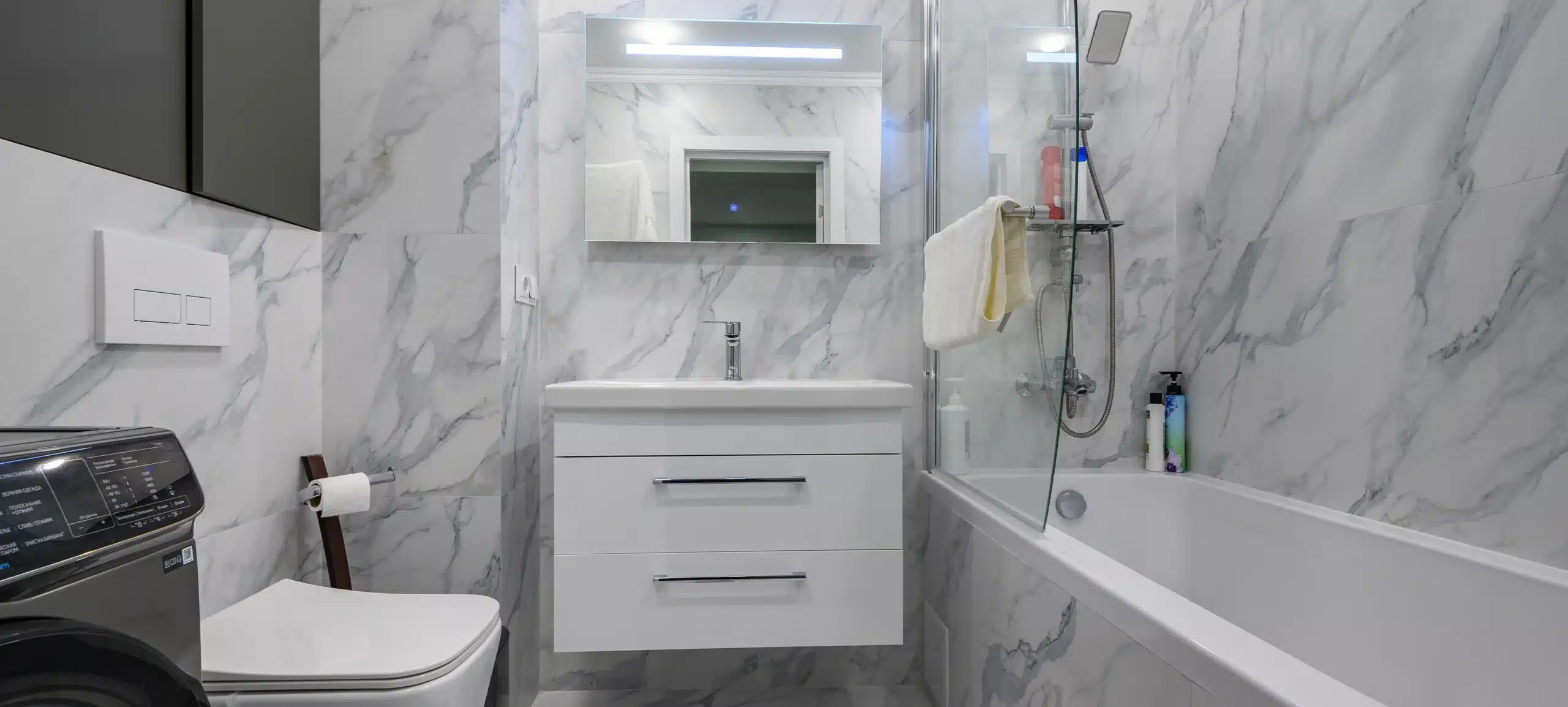
Finding Bathroom Fixtures for Small Spaces in NYC
Designing a functional bathroom in New York City often means working with limited square footage....

What Happens During a DOB Inspection in NYC and How Renovations Fail Them
If you’re renovating in New York City, a permit is only half the battle. The...

How Much Does a Kitchen Remodeling in Brooklyn, NY Cost in 2026?
Kitchen remodeling is a popular way for homeowners in Brooklyn to add value to their...