Home Planning & Renovations
What Color Grout Should You Choose For White Tile? A Complete Design & Maintenance Guide
By Adam Blake
White tile is a perennial favorite among homeowners and designers alike, and for good reason. It is classic, clean, hygienic, and timeless. Whether you are remodeling a bathroom, updating a kitchen backsplash, or designing a laundry room, white tile offers a blank canvas that can adapt to virtually any aesthetic. However, one of the most common—and most crucial—questions we hear from clients is: What color grout should I use with my white tile?
While the tile itself often gets the glory, the grout color is the unsung hero (or villain) of your finished project. The right grout can elevate a simple subway tile into a work of art, while the wrong choice can leave a space feeling disjointed or dirty. With endless choices available, the decision can feel overwhelming.
This comprehensive guide will walk you through the most popular grout color options for white tile, including white, gray, black, beige, and even colored grout. We will explore the visual and aesthetic impact of each choice, discuss matching versus contrasting grout strategies, and provide room-specific advice for kitchens, bathrooms, and high-traffic areas. By the end, you will have the knowledge to confidently choose the perfect grout for your design style, whether that’s modern, traditional, farmhouse, or artistic.
Related Article: How To Use Grout Color to Accent the Design in Your NYC Apartment
Understanding the Visual and Aesthetic Impact of Grout Color
Before diving into specific colors, it is essential to understand how grout functions visually. Grout lines are not just functional fillers; they act as a visual frame for each individual tile. The shade of grout you choose directly influences how the eye perceives the space, the tile’s texture, and even the room’s overall size.
- Contrast: High contrast between white tile and dark grout (like black or charcoal) creates a graphic, high-contrast, and bold feel. This strategy draws attention to the individual tile shapes and the pattern itself (e.g., herringbone or offset).
- Low Contrast / Monochromatic: Matching your grout closely to your tile (e.g., white tile with white or light gray grout) creates a seamless, monochromatic effect. This makes the wall or floor feel like a continuous, smooth surface, which can make a small room feel larger.
- Dimension and Texture: Grout color also affects how you perceive the tile’s texture. A contrasting grout will highlight the tile’s edges and any surface irregularities, while a matching grout will downplay them, emphasizing the overall color palette instead.
Now, let’s break down the most common and effective grout color options for white tile.
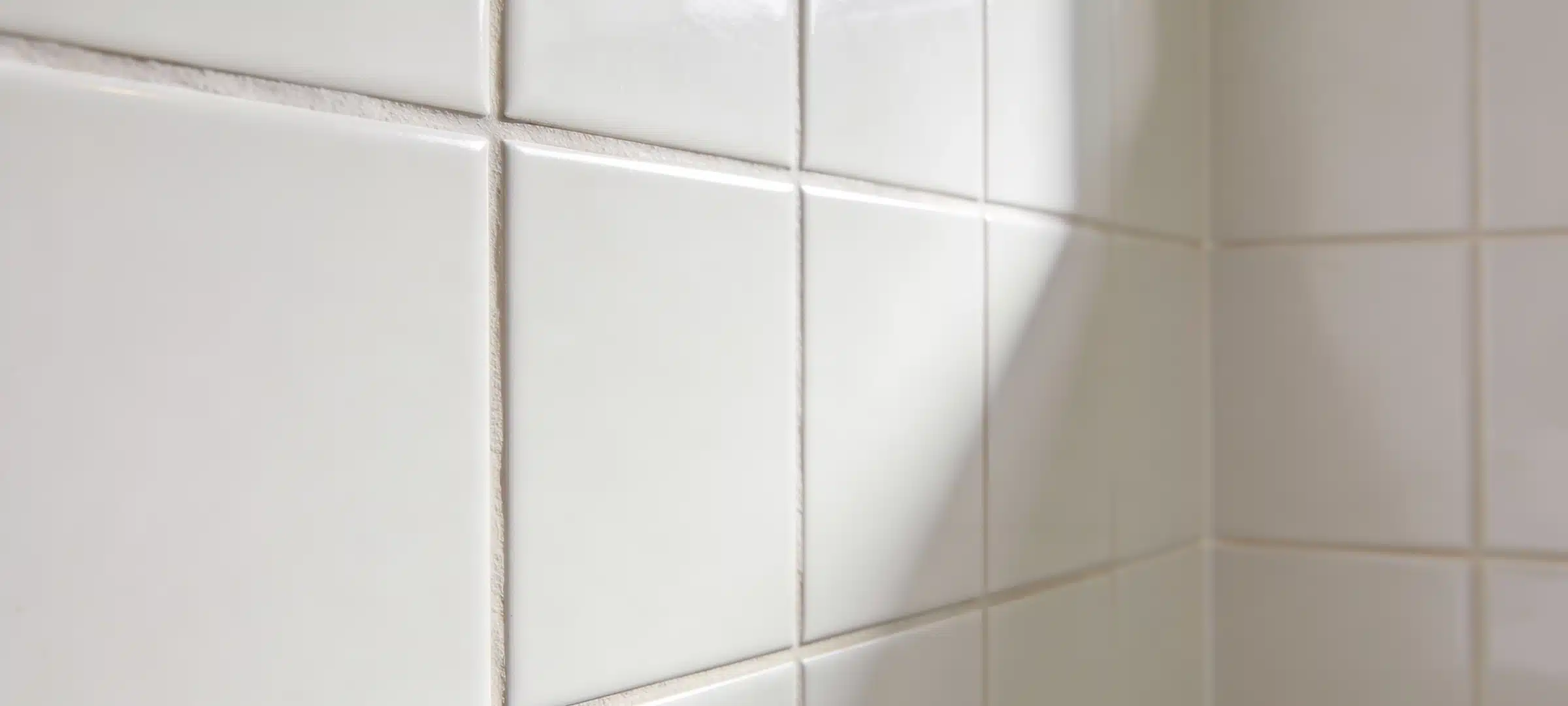
1. White Tile with White Grout: The Seamless, Sleek Design
Choosing white tile with white grout is the ultimate choice for a utilitarian design that prioritizes cleanliness and continuity. This combination allows the tiles to completely disappear into the background, creating a highly cohesive and very sleek design.
Visual Effects & Style Implications:
- Seamless Look: The lack of contrast minimizes the visibility of individual grout lines, producing a monolithic, almost plaster-like appearance. This is ideal for modern and minimalist interiors.
- Space Enhancement: Because there are no hard visual breaks, the eye travels smoothly across the surface. This can make a small bathroom or shower niche feel more open and expansive.
- WOW Factor: When clean, a white-on-white space delivers an unmatched level of purity and brightness. The reward for the extra work is a very clean-looking space that will give a wow factor each time you step into the room.
Practical Considerations:
- Maintenance Requirements: As with anything that comes in all white, it does require more upkeep and cleaning. White grout shows every speck of dirt, every hair, and every scuff mark. In a family bathroom or kitchen backsplash, this can mean frequent scrubbing.
- Best Applications: This combination shines in low-traffic areas like a primary bathroom, a formal powder room, or a sleek, modern kitchen backsplash where spills are wiped immediately. It is less ideal for high-traffic areas or mudrooms.
Pro Tip: If you love the seamless look but worry about stains, use a high-quality grout sealer or choose an epoxy grout in white, which is more stain-resistant than traditional cementitious grout.


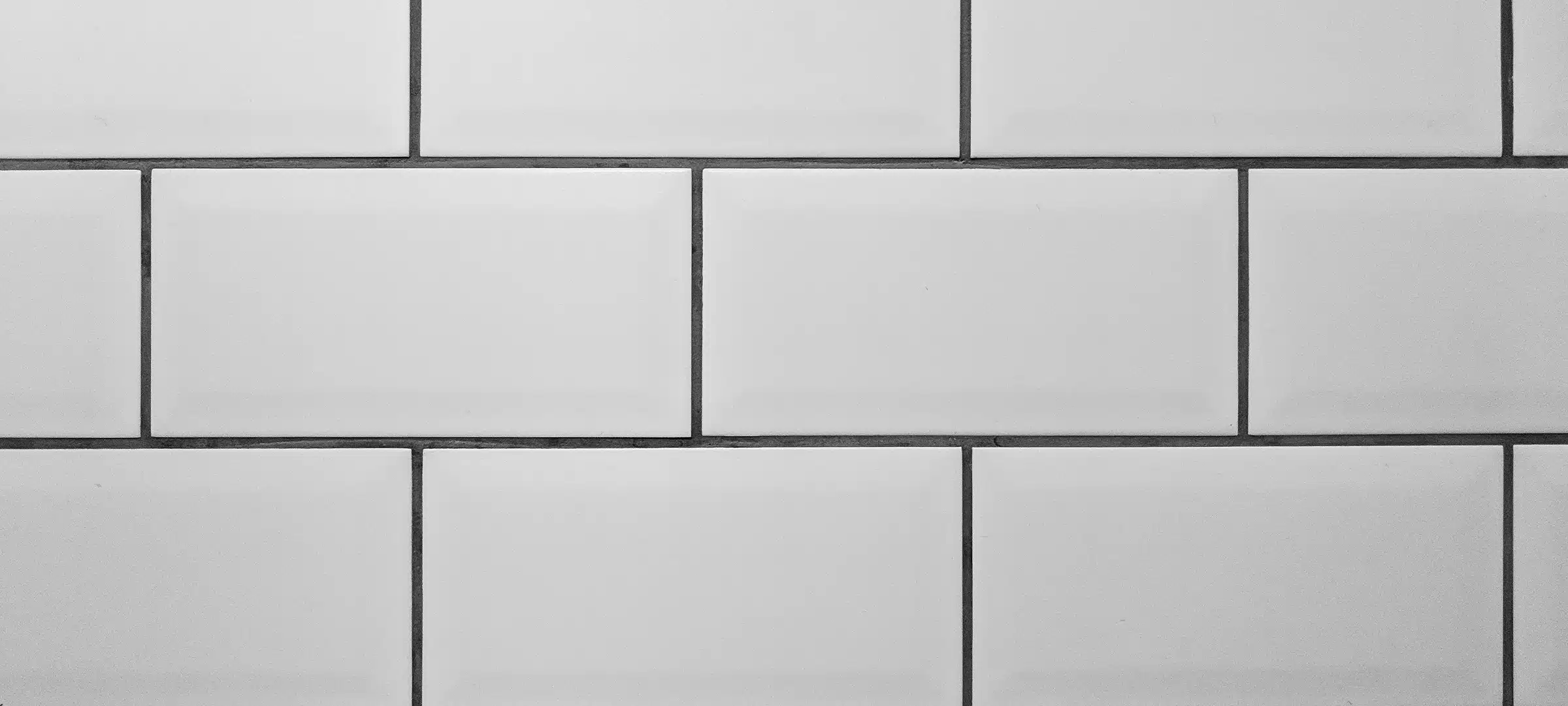
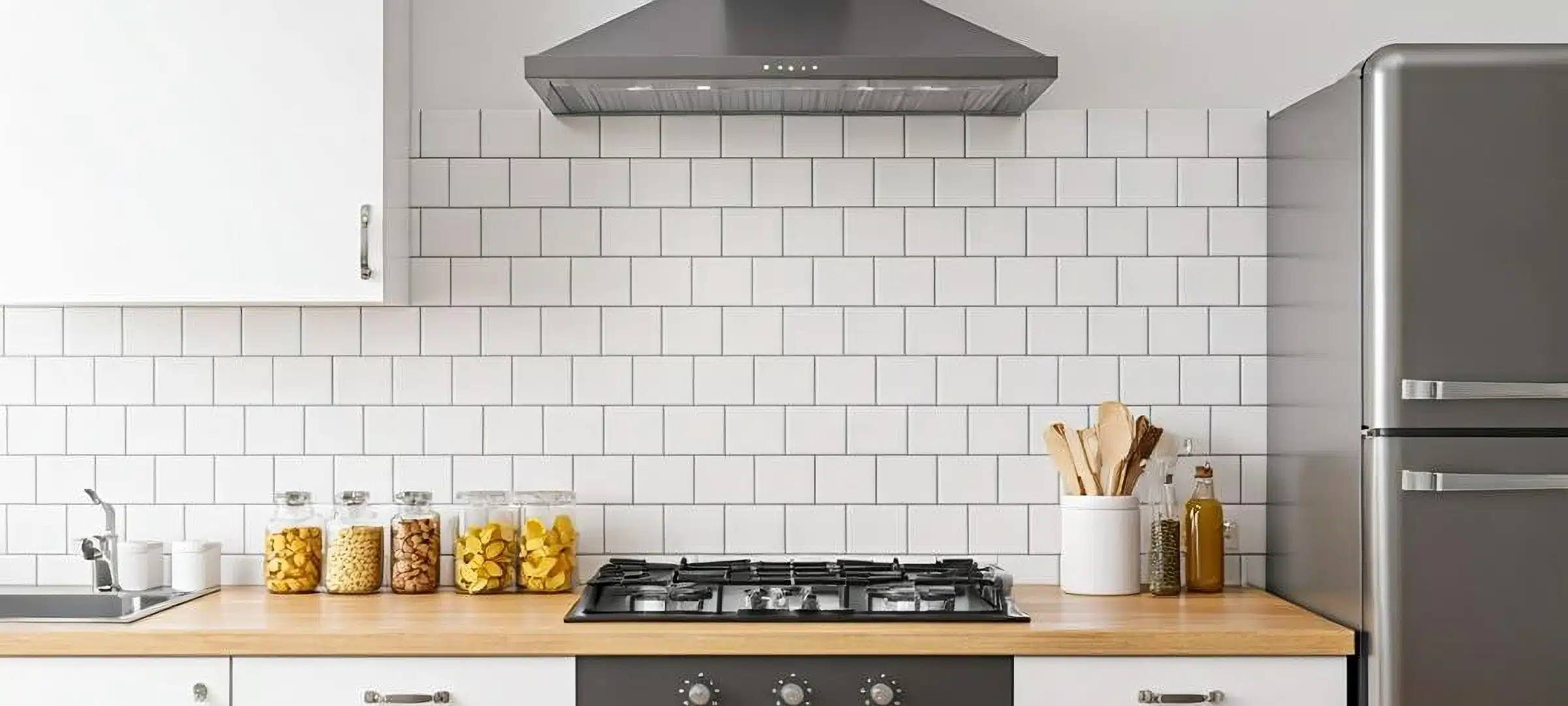
2. White Tile with Gray Grout: The Perfect Subtle Compromise
The white tile with gray grout combination is, for many design pros, the perfect middle ground. It offers the definition of a contrasting grout without the stark drama of black. This is the most versatile and forgiving option available.
Visual Effects & Style Implications:
- Subtle Definition: Gray grout outlines each tile just enough to add a textural and graphic element without becoming the center of attention. It allows the tile pattern (like a classic subway layout) to be visible but not overwhelming.
- Blending into the Background: This combination is ideal when you want to draw attention to another aspect of your space, such as a beautiful vanity, a statement mirror, or artistic light fixtures. The tile becomes a supporting actor, not the star.
- Soft Cool Grays vs. Warm Grays: You have options here. A soft, cool gray grout (like Delorean Gray or Polyblend Platinum) complements crisp white tile and modern, chrome-accented bathrooms. A warm gray grout (like Mapei Warm Gray) pairs beautifully with off-white tile, natural wood, and farmhouse styles.
Practical Considerations:
- Hides Dirt: Gray grout is the best color choice for a family bathroom or a busy kitchen backsplash because it is excellent at hiding a little bit of dirt, lint, and everyday wear. It offers a much more forgiving maintenance profile than white grout.
- Recommended Grout Products: Specific products like Delorean Gray Grout, Mapei Warm Gray Grout, and Polyblend Platinum Grout are consistently top recommendations from tile installers for their reliable color payoff and durability.
- Best Applications: Kitchens, family bathrooms, laundry rooms, and any high-traffic area where you want a clean, intentional look without constant scrubbing.
Pro Tip: When choosing gray, pay attention to the undertone. Pair cool grays with blue-undertone whites and warm grays or taupe grout with creamy whites.
Related Article: NYC Renovation Material Costs: Is Sourcing Yourself Really Cheaper?


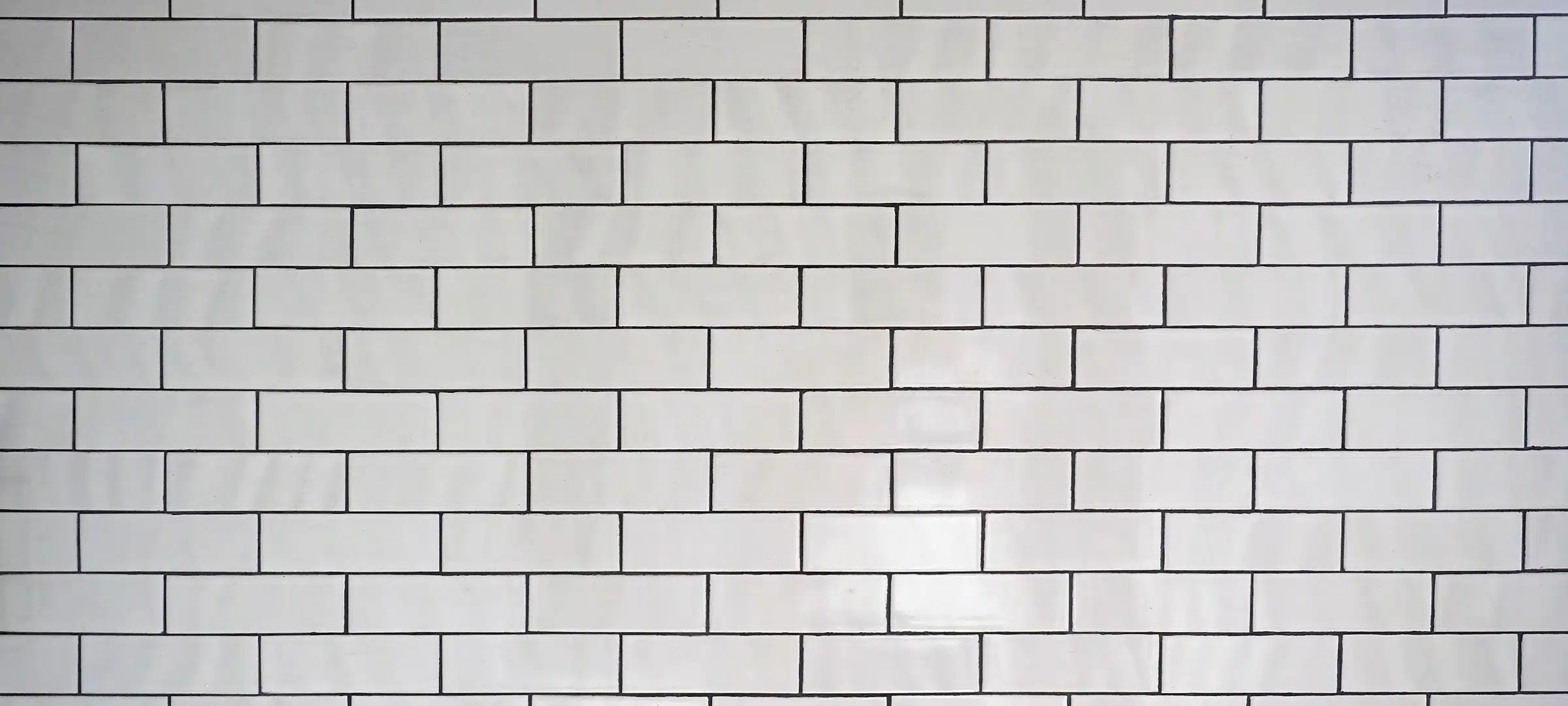
3. White Tile with Black or Charcoal Grout: The Dramatic Statement
White tile with black grout (or its close cousin, charcoal grout) produces a considerably different outcome for the focus of the tile. This is not a shy choice; it is a bold, graphic, and very modern design decision.
Visual Effects & Style Implications:
- High Contrast & Bold Feel: The stark contrast between white tile and black grout creates a dramatic aesthetic that is undeniably modern. It makes the tile pattern the absolute focal point of the room.
- Accentuates Layout: This is a good choice if you choose a unique layout of tile, like a herringbone pattern, a vertical stack, or a basketweave. The black grout acts like ink lines in a coloring book, making the intricate layout visible from across the room.
- Perception of Space: While counterintuitive, the stark contrast can often make your space feel larger by creating a strong, graphic rhythm that draws the eye around the room. However, in very small spaces with poor light, it can feel busy.
Practical Considerations:
- Unforgiving Installation: Any imperfections in your tile installation—chipped edges, uneven spacing, or lippage—will be ruthlessly highlighted by black grout.
- Maintenance: Black or charcoal grout does not show dirt, but it can show soap scum and hard water deposits (which are white) over time. Regular grout cleaning is still required.
- Best Applications: Modern bathrooms, accent walls, contemporary fireplaces, or backsplash designs in a kitchen that needs a serious dose of personality. Use it sparingly—one feature wall is often more effective than an entire room.
Pro Tip: Consider charcoal grout instead of pure black. Charcoal grout provides 90% of the drama but is slightly more forgiving and can look more sophisticated than harsh, true black.


4. White Tile with Beige or Tan Grout: The Warm, Traditional Choice
While gray dominates modern design, beige grout and tan grout remain popular for those seeking a warmer, more traditional, or old-world aesthetic. This combination works exceptionally well with natural stone-look white tiles or creamy, off-white ceramic tiles.
Visual Effects & Style Implications:
- Warmth: Beige grout warms up a cool white tile, making a space feel cozy, inviting, and less clinical. This is ideal for traditional interiors or modern farmhouse brick applications.
- Soft Transition: Beige offers a softer transition than gray. It provides definition but without the cool, sometimes sterile feel of grays. It mimics the look of aged, natural materials.
- Overall Color Palette: Beige grout ties in beautifully with other warm elements in the room, such as oak vanities, brass fixtures, travertine accents, or earth-toned paint colors.
Practical Considerations:
- Dirt Hiding: Beige and tan grout are actually quite good at hiding everyday dirt and dust, making them practical for floors.
- Vintage Vibe: This combination is classic for a reason. It evokes the feel of a vintage 1920s bathroom or a traditional European farmhouse.
- Best Applications: Bathroom floors (especially with hexagonal white tiles), traditional kitchen backsplashes, and shower floors where a warm, organic feel is desired.
Pro Tip: Always test beige grout with your specific white tile. Some beige grouts can look pink or orange next to a stark white tile. A mid-tone tan or taupe grout is often safer.
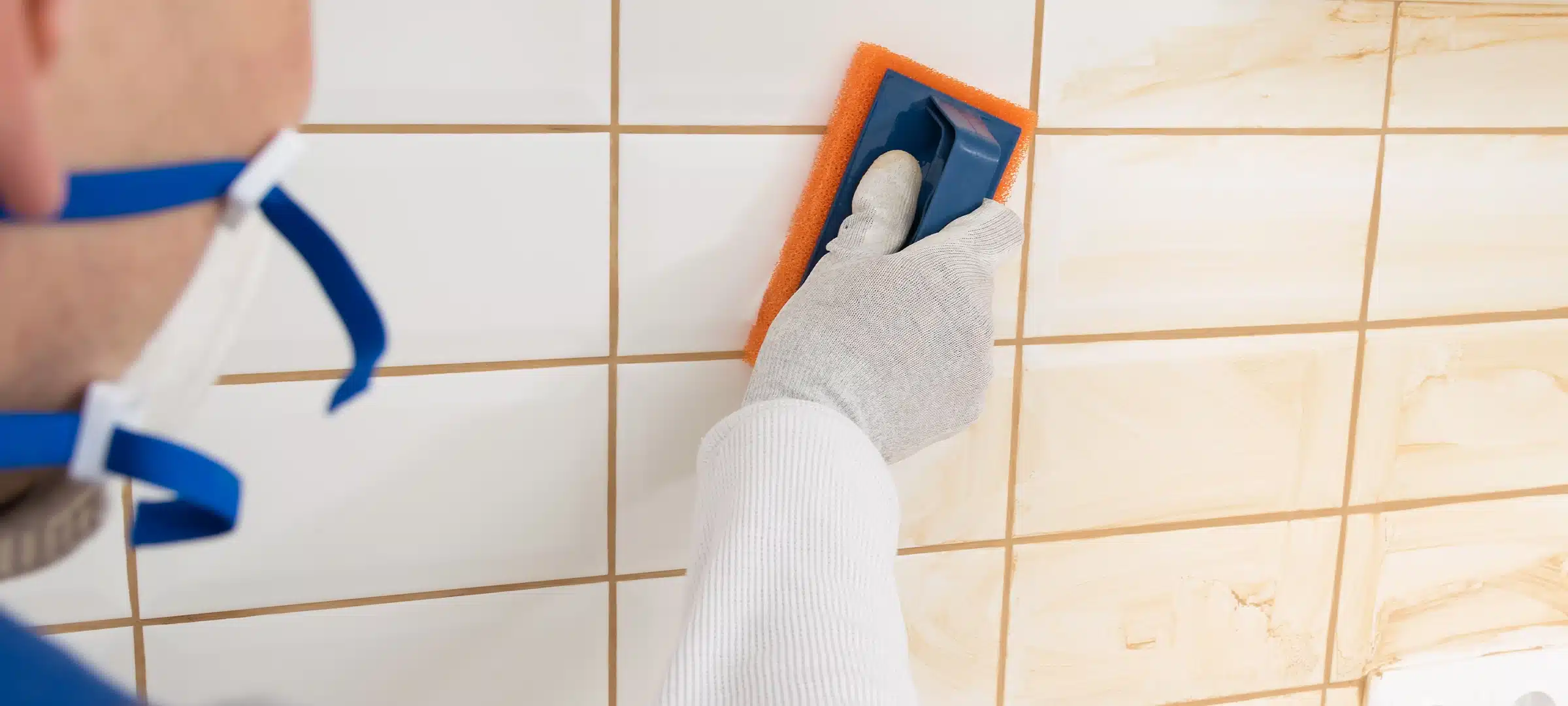
5. Colored Grout for White Tile: The Artistic, Bold Choice
For the adventurous homeowner, colored grout opens up a world of possibilities. Moving beyond neutral grout colours like beige, gray, and black, you can choose bright or deep hues to make a serious artistic statement.
Visual Effects & Style Implications:
- Personal Expression: Bright colored grout (like a soft mint or coral) or deep jewel tones (like midnight blue grout) transform white tile into a custom work of art. The tile becomes the canvas; the grout is the paint.
- Unexpected Detail: A pop of color in the grout lines can tie together a room’s accent colors in a unique and unexpected way. For example, midnight or charcoal blue grout with white tile creates a nautical yet sophisticated vibe.
- Modern & Fun: This strategy is perfect for kids’ bathrooms, eclectic kitchens, creative studio spaces, or any area where you want to prioritize fun over formality.
Practical Considerations:
- Permanence: Changing grout color is a major renovation task. Colored grout is a long-term commitment. If you think you might want to change the look in a year or two, this is not the choice for you.
- Grout Colorant Alternative: If you love the idea of color but fear commitment, consider using a grout colorant later. You can start with a neutral gray grout and then apply a grout colorant in a fun shade down the road.
- Best Applications: Accent walls, backsplash designs, shower niches, or as a colorful border in an otherwise neutral floor.
Pro Tip: Create mock-up boards before committing. Lay out several white tiles with your chosen colored grout sample and live with it for a few days, observing how natural and artificial light affects the color.
Matching Versus Contrasting Grout Strategies
To simplify your decision, understand the two core strategies: matching and contrasting.
- Matching Strategy (Low Contrast): Choose white or very light gray grout. This creates a monochromatic effect, hides minor installation imperfections, and makes the space feel larger. Best for: small bathrooms, seamless modern looks, and when you want the room’s furniture or fixtures to be the star.
- Contrasting Strategy (High Contrast): Choose dark gray, black, charcoal, beige, or a bold color. This defines each tile, highlights the pattern, and creates a graphic, high-contrast, and bold feel. Best for: large spaces, feature walls, unique tile layouts (herringbone, chevron), and modern or traditional farmhouse styles.
Grout Color Selection for Different Room Types
- Bathrooms: For shower floors, smaller tiles with darker grout (charcoal or beige) hide dirt better. For walls, consider your cleaning tolerance: white for a spa-like retreat, gray for practicality, or black for drama. Use beige or taupe grout with marble tile for a classic look.
- Kitchens: A kitchen backsplash needs to resist stains from sauce and oil. A medium to dark gray grout is the most practical and popular choice. White grout behind a stove is a brave but high-maintenance choice.
- High-Traffic Areas (Entryways, Mudrooms): Choose durable epoxy grout in charcoal, dark gray, or beige. Light gray grout will show dirt quickly in these spaces.
- Living Spaces: For a white tile fireplace surround or accent wall, consider silver grey grout for a subtle, elegant frame, or go bold with black grout for a modern, graphic statement.
Final Thoughts: Making Your Decision
Choosing the right grout color for your white tile comes down to balancing your desired visual impact with your lifestyle and maintenance requirements.
- For a seamless, sleek, and high-maintenance look: Choose White Tile + White Grout.
- For a versatile, subtle, low-maintenance look: Choose White Tile + Gray Grout (warm or cool).
- For a dramatic, bold, modern statement: Choose White Tile + Black or Charcoal Grout.
- For a warm, traditional, inviting feel: Choose White Tile + Beige or Tan Grout.
- For an artistic, unique, personal style: Explore Colored Grout.
Visit Our NYC Remodeling Showroom To Choose Tile & Grout
Contact MyHome to schedule your consultation. At our NYC kitchen and bath showroom, you will find everything you need for your home improvement project. We are a one-stop shop that will handle your entire renovation project from concept to completion. Here you will be exposed to a variety of possible materials, grout and tile colors, and varying textures for your home.
Frequently Asked Questions
- Can I change my grout color after it has already been installed?
Yes, using a grout colorant or grout stain. This is a DIY-friendly alternative to full grout removal. - Does grout color affect how often I need to reseal?
No. All cementitious grout needs sealing every 1-2 years, regardless of color. Epoxy grout never needs sealing. - Will dark grout make my white tile look dirty over time?
No. Dark grout hides dirt well, but white soap scum may become visible on dark surfaces. - What grout color makes small bathroom floors look bigger?
White or light gray grout. Low contrast between bathroom tile and grout creates a seamless, expansive look. - Is colored grout more expensive than neutral grout?
Slightly. Specialty colored grout costs 10-20% more than standard white, gray, or beige options.

Adam Blake
Adam Blake is Design Manager at MyHome Renovation Experts, known for blending smart space planning with timeless design. With hands-on experience guiding homeowners through renovations, he understands how to transform kitchens and living spaces into highly functional, beautifully crafted environments.
Related Posts
Bathroom Remodel Cost NYC: The Ultimate Price Guide
If you are planning a bathroom remodel in New York City, you are likely bracing...

NYC Apartment Mini-Split Installation: Navigating Board Approvals and Line-Set Red Tape
NYC apartment mini-split installation is a major upgrade for homeowners who want to replace drafty...
NYC Townhouse Backyard Extensions: Deck Permits & Zoning Laws
NYC Townhouse Backyard Extensions are one of the most effective ways to expand outdoor living...