Home Planning & Renovations
How Much Will My Home Renovation Cost in NYC?
By Adam Blake
If you are planning a home renovation in New York City, one of the first questions on your mind is probably the most important one: how much will my home renovation cost?
It is an exciting stage. You start imagining new finishes, better storage, upgraded lighting, custom millwork, and a layout that finally works for your lifestyle. Then reality sets in. Renovation costs in NYC can vary widely, and most homeowners quickly realize that pricing is influenced by much more than square footage alone.
The truth is that there is no one-size-fits-all answer. A renovation budget depends on the scope of work, material selections, design complexity, building requirements, labor, permits, and site conditions. In New York City, those variables matter even more because renovating an apartment, co-op, condo, or townhouse comes with layers of complexity that homeowners in other markets often do not face.
At MyHome, we help homeowners understand renovation costs clearly before work begins, so they can plan with confidence and avoid surprises later. In this guide, we will break down what affects the cost of a renovation, why prices vary so much in NYC, and how to make smart decisions when hiring a contractor or design-build firm.
Why NYC Renovation Costs Vary So Much
When homeowners first start researching renovation pricing, they are often surprised by how broad the ranges can be. That is because two homes with the same square footage can have completely different budgets depending on what is being renovated and how.
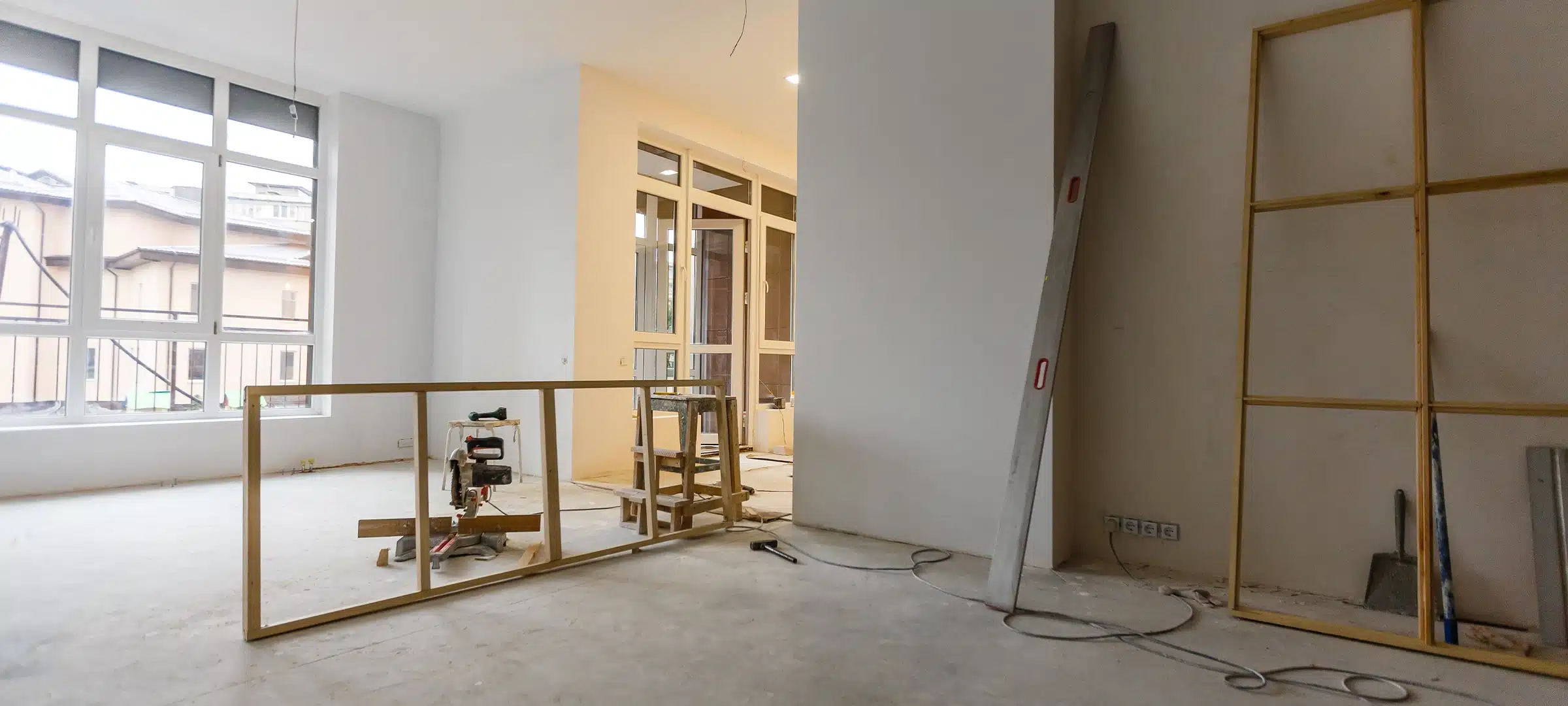
A cosmetic refresh is very different from a full gut renovation. Replacing finishes while keeping the existing layout intact usually costs much less than moving plumbing lines, reworking electrical, opening walls, installing custom cabinetry, or addressing hidden structural issues.
In New York City, renovation pricing is also shaped by factors that are less common elsewhere, including:
- Co-op and condo board requirements
- Department of Buildings filings and permits
- Tight work-hour restrictions
- Elevator reservations and delivery windows
- Debris removal rules
- Limited access to the worksite
- Older building conditions hidden behind walls, floors, and ceilings
All of these details affect labor, logistics, timeline, and ultimately cost.
Average Renovation Cost Per Square Foot in NYC
Renovation costs in New York City are often estimated on a cost per square foot basis, but actual pricing depends on the scope of work and the level of finishes you choose. Here’s what you can typically expect:
- Cosmetic Renovation: $75 – $150 per sq ft
Surface updates such as paint, flooring, lighting, and fixtures. These projects involve minimal structural work and are the most budget-friendly option. - Mid-Range Renovation: $150 – $300 per sq ft
Includes more significant upgrades, such as replacing kitchens or bathrooms without changing the layout (often called “rip-and-replace” renovations). This level covers moderate cost and complexity. - High-End Renovation: $300 – $500+ per sq ft
Involves luxury materials, custom features, and potentially some layout changes. These projects deliver a high-end finish and design. - Full Gut Renovation:
Projects at the upper end of the high-end range (or higher) involve complete demolition, layout changes, new plumbing and electrical systems, and structural work. Gut renovations are the most complex and expensive, with costs depending on the extent of changes and the quality of finishes.
Understanding these categories helps set realistic expectations for your project. The more extensive and customized the renovation, the higher the cost per square foot will be.
What Impacts the Cost of a Home Renovation?
If you are asking how much your NYC renovation will cost, the best place to start is with the major variables that drive pricing.
1. Scope of Work
The biggest factor is how much work is actually being done.
A renovation that includes painting, flooring, lighting updates, and surface-level replacements will cost far less than one that involves:
- Demolition
- Layout changes
- New plumbing lines
- Electrical upgrades
- HVAC modifications
- New windows or doors
- Structural work
The more systems your project touches, the more complex and expensive it becomes.
2. Kitchen and Bathroom Work
Kitchens and bathrooms are usually the most expensive rooms to renovate because they involve multiple trades, specialized materials, fixtures, waterproofing, cabinetry, tiling, and inspections.
If your home renovation includes a kitchen remodel or bathroom renovation, expect those areas to represent a significant share of the total budget.
In NYC, kitchen and bathroom work can also trigger building approvals and permit requirements, especially when plumbing or electrical systems are altered.
3. Quality of Materials
Your selections can change the cost of a renovation dramatically.
For example, the price difference between stock cabinetry and custom cabinetry is substantial. The same is true for engineered quartz versus natural stone, builder-grade plumbing fixtures versus designer brands, and standard tile versus imported slab materials.
Materials affect cost in three ways:
- The direct purchase price
- Installation complexity
- Lead times and coordination requirements
A beautiful design is not only about what looks good on paper. It also has to align with your budget, timeline, and priorities.
4. Existing Site Conditions
One of the most unpredictable parts of renovation pricing is what is already inside the home.
Older NYC apartments and townhouses often hide issues that are not fully visible until demolition begins, such as:
- Uneven floors
- Outdated wiring
- Old plumbing
- Water damage
- Improper previous work
- Plaster or framing irregularities
- Structural surprises
These conditions can add labor, materials, and time to the project.
This is one reason why experienced renovation firms place so much emphasis on planning and site evaluation before construction starts.
5. Design Complexity
A simple renovation is generally more cost-efficient than a highly customized one.
The more custom your project becomes, the more the design, fabrication, coordination, and installation costs rise. Features like built-ins, specialty lighting plans, integrated appliances, custom stonework, hidden storage solutions, and architectural detailing all increase the level of work involved.
At the same time, thoughtful design can also help control cost by improving layout efficiency and avoiding unnecessary changes during construction.
6. Permits and Building Requirements
Renovating in New York City is rarely just about construction. It is also about compliance.
Depending on your project, costs may include:
- Department of Buildings permits
- Co-op or condo board approvals
- Alteration agreements
- Architectural and structural engineer plans
- Filing and expediter fees
- Possible asbestos testing
These are normal parts of renovating in NYC, but they need to be accounted for early.
Related Article: 2026 NYC Local Law 152 Guide: Gas Inspections and All-Electric Conversions
7. Labor and Trade Coordination
A home renovation is not one task. It is a sequence of specialized work performed by multiple trades. Carpenters, electricians, plumbers, tile installers, painters, flooring specialists, cabinet installers, and project managers all play a role.
In a city like New York, labor costs reflect the level of skill required, the logistical demands of the job, and the need for precise coordination in occupied buildings.
Reliable labor is not the cheapest part of a renovation, but it is one of the most important.
Why the Lowest Bid Can Cost You More
It is natural to compare estimates and feel drawn to the lowest price. But in renovation, the cheapest bid is not always the smartest choice.
Low bids often leave out important details, use vague allowances, underestimate labor, or fail to account for real building conditions. That may look attractive at the start, but it often leads to:
- Change orders
- Delays
- Poor workmanship
- Communication problems
- Unfinished details
- Budget overruns
A renovation is not just about getting the work started. It is about getting it completed properly, safely, and to a standard you will be happy living with every day.
In other words, saving money up front can sometimes cost more in stress, repairs, and lost time later.
What You Should Look for in a Renovation Contractor
Choosing the right contractor or design-build firm is one of the most important decisions you will make. In many cases, the professional you hire has a bigger impact on your experience than the budget itself.
Here are a few essential factors to look at when comparing renovation firms in NYC.
Valid Licensing and Insurance
Always confirm that the contractor is properly licensed and insured. In New York City, this is not optional. It protects you, your building, and the project.
Make sure the company can provide:
- Current licensing
- General liability insurance
- Workers’ compensation coverage
- Any building-specific insurance documentation required for your project
Clear Written Contracts
A renovation contract should be easy to read and detailed enough to understand. If the wording is vague or overly broad, that is a red flag.
A strong contract should clearly outline:
- Scope of work
- Materials or allowances
- Payment schedule
- Project milestones
- Responsibilities
- Change order process
- Timeline expectations
If you do not understand what is in the contract, ask questions before signing.

Quality of Workmanship
Do not rely on promises alone. Ask to see completed work, project photos, client testimonials, or references. Quality matters because you will live with the results long after the final invoice is paid.
Look closely at craftsmanship, finish quality, layout execution, and attention to detail. A well-managed renovation should feel polished, not rushed.
See our completed renovation projects.
Project Supervision and Communication
Even a great design can fall apart without strong supervision. Ask who will manage the job, who your point of contact will be, and how communication is handled throughout the process.
A renovation in NYC moves more smoothly when there is a clear system for scheduling, approvals, site coordination, and problem-solving.
Extra Costs to Plan For
Many renovation budgets start with the obvious items and overlook the real-world costs that come with completing a project in NYC.
Some commonly missed items include:
- Temporary housing costs during construction
- Furniture storage and moving expenses
- Electrical or plumbing upgrades
- Structural repairs
- Building deposits and fees
- Permit revisions or delays
Related Article: Can You Live In Your NYC Apartment During Renovation?
How to Budget More Realistically
If you are serious about remodeling your home, approach budgeting with both vision and structure. A well-planned renovation budget should go beyond rough estimates and include a clear scope of work, a detailed cost breakdown, and a defined payment schedule.
Here are a few ways to plan more effectively:
Know Your Priorities
Start by separating what is essential from what is optional. A clearly defined scope of work helps prevent confusion later and reduces the likelihood of costly change orders during construction. If the budget needs to flex, knowing your must-haves ensures the most important elements of the project are protected.
Leave Room for Contingencies
Even with careful planning, renovations can uncover unexpected conditions such as structural issues, outdated wiring, or plumbing complications. Setting aside a contingency budget (typically 10–20%) and including contingency clauses in your contract helps safeguard your project from delays and financial stress.
Be Honest About Finish Levels
Luxury materials and custom features can quickly increase costs. While high-end finishes can elevate the final result, not every element needs to be top-tier. A balanced approach—mixing premium selections with mid-range materials—can help maintain design quality while staying within budget.
Plan Before You Build
The more decisions that are finalized before construction begins, the more accurate your pricing will be. A detailed contract that outlines materials, timelines, and responsibilities reduces uncertainty and minimizes unexpected changes. Last-minute decisions often lead to delays, additional labor costs, and unplanned change orders.
Understand Pricing Structure
Renovation estimates typically include both direct construction costs and contractor profit and overhead. Understanding how your estimate is structured—whether it’s a fixed price or cost-plus model—helps you evaluate proposals more accurately and compare contractors on equal footing.
Review the Payment Schedule Carefully
A clear payment schedule should be tied to project milestones, not arbitrary dates. This ensures that payments align with progress and provide transparency throughout the renovation process.

Typical NYC Renovation Timeline
Renovation timelines vary based on scope, but most NYC projects follow this general structure:
- Planning & design: 4–12 weeks
- Permits & approvals: 2–8+ weeks
- Construction: 8–24+ weeks, depending on scope
Factors like limited work hours, building restrictions, and permit approvals can extend timelines.
Why Design-Build Can Make Renovation Costs More Predictable
One reason many NYC homeowners choose a design-build firm is that it keeps design, planning, and construction under one roof.
Instead of managing separate architects, designers, and contractors, you work with one coordinated team. That can lead to:
- Better communication
- More realistic budgeting early on
- Fewer disconnects between design and construction
- Stronger project oversight
- Smoother decision-making
At MyHome, our process is built around clarity, planning, and execution. We help clients understand not just what their renovation could look like, but what it will take to build it successfully in New York City.
Is a Home Renovation Worth the Cost?
For most homeowners, the answer depends on goals.
If you are renovating to improve daily function, modernize an outdated layout, increase comfort, or create a home that better reflects your lifestyle, the value goes far beyond resale. A well-executed renovation can improve how your space works every single day.
It can also help protect and enhance property value, especially in a competitive market like NYC, where quality design and thoughtful layouts matter.
The key is not simply spending less. The key is spending wisely.
A renovation done properly can bring years of enjoyment. A renovation done poorly can become a daily frustration.
Why NYC Homeowners Choose MyHome
At MyHome, we understand that renovation decisions are emotional, financial, and practical all at once. Homeowners want beautiful results, but they also want clarity, professionalism, and a team they can trust.
That is why we focus on more than construction alone. We guide clients through design, budgeting, materials, approvals, and project management so they can move forward with confidence. We also provide a 10-year renovation warranty for your peace of mind.
We know that unforeseen conditions and building requirements can feel overwhelming. Our role is to help minimize that stress by planning thoroughly, communicating clearly, and keeping your best interests at the center of the process.
If you are comparing contractors in New York City, remember that experience, craftsmanship, and process matter just as much as price.
Related Article: MyHome Renovation Experts Awarded Best of Houzz 2026 in New York City
Final Thoughts: How Much Will Your NYC Home Renovation Cost?
The cost of a home renovation in NYC depends on many moving parts, from scope and materials to permits, building logistics, and contractor quality. There is no universal number that applies to every project, and that is exactly why careful planning matters.
The best renovation budgets are not based on guesswork. They are built around your space, your priorities, and a realistic understanding of what the work requires.
If you are ready to remodel your apartment, co-op, condo, or townhouse, the smartest first step is a professional consultation.
At MyHome, we help homeowners make informed renovation decisions with less stress and more clarity. If you want to understand what your project may cost and how to approach it the right way, book a free consultation with our team.
We would love to help you bring your renovation to life!

Frequently Asked Questions
- How do renovation costs differ between co-ops, condos, and townhouses in NYC?
Co-ops usually have stricter approvals and fees. Condos are more flexible but still require board approval. Townhouses avoid board rules but may need more structural work or landmark approvals, which can increase costs.
- Are there financing options available for home renovations in NYC?
Yes, options include home equity loans, HELOCs, cash-out refinancing, and personal loans. Compare rates and terms, and consult a financial advisor to choose the best fit for your renovation budget.
- What’s the process for getting board approval for a renovation in NYC?
Submit detailed plans, contractor insurance, and a scope of work to your board. They’ll review, possibly request changes, and issue an alteration agreement. Approval can take several weeks or months, so plan ahead.
- How can I minimize disruption to my neighbors during a renovation?
Communicate your schedule, follow building rules, reserve elevators, and use dust barriers. Hiring a contractor familiar with NYC buildings helps reduce noise and mess, keeping your neighbors happier during construction.
- What are the most cost-effective upgrades to boost resale value in NYC homes?
Focus on kitchen and bathroom updates, improved storage, and new flooring or lighting. These upgrades attract buyers and offer the best return on investment without overspending on luxury features.

Adam Blake
Adam Blake is Design Manager at MyHome Renovation Experts, known for blending smart space planning with timeless design. With hands-on experience guiding homeowners through renovations, he understands how to transform kitchens and living spaces into highly functional, beautifully crafted environments.
Related Posts

What Your Contractor Should Handle So Your NYC Co-op or Condo Board Approves Your Renovation
Learn what your NYC renovation contractor should handle for co-op and condo board approval —...

What Is Design-Build? The NYC Apartment Owner’s Guide to a Smarter Renovation Model
Learn what design-build means for NYC co-op and condo renovations—how the process works, why it...

How to Get Your NYC Co-op Renovation Approved by the Board the First Time
Learn how to get NYC co-op board approval for your renovation the first time. Step-by-step...