Home Planning & Renovations
Marble vs Granite vs Quartz Countertops
By Adam Blake
Countertops are essential functional surfaces that also define the style and atmosphere of your living spaces. Choosing between marble, granite, and quartz involves understanding their unique characteristics, durability, maintenance, cost, and design options.
This comprehensive guide explores each material’s pros, cons, and best uses, helping you make an informed decision that fits your personal taste and renovation goals.
Related Article: Marble Countertop Info for Your Next NYC Kitchen Renovation
What Is Marble?
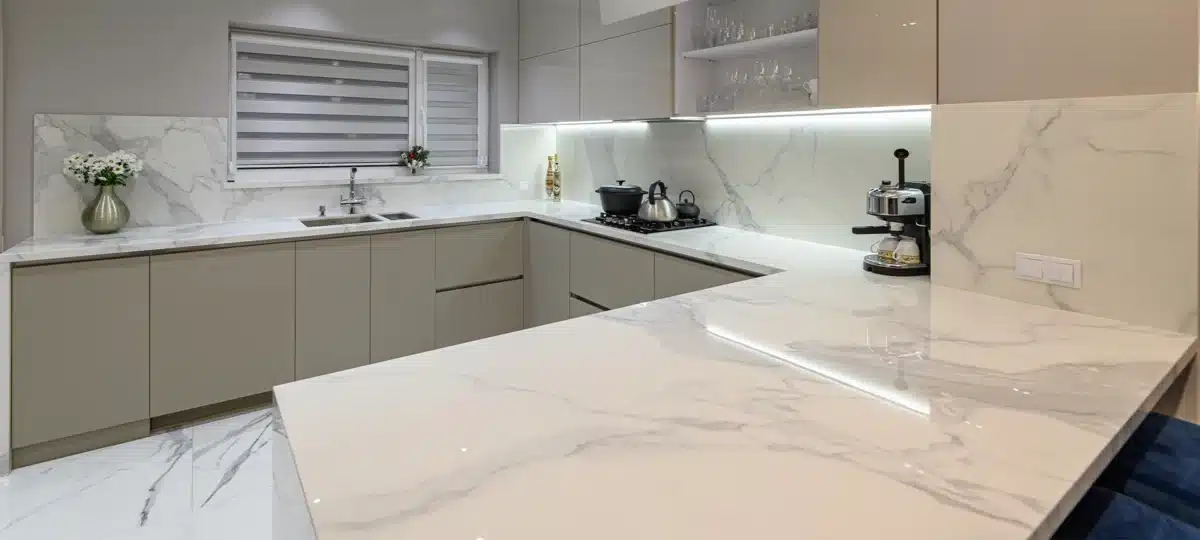
Marble is a natural stone known for its timeless beauty and elegance. It features distinctive veining and patterns that add sophistication to any interior.
Pros of Marble Countertops
- Aesthetic Appeal: Marble slabs offer a polished, luxurious look with unique veining.
- Heat Resistant: Ideal for cooking and baking areas due to its ability to withstand high heat.
- Customizable: Available in various colors and finishes to match different interior styles.
Cons of Marble Countertops
- Stain Easily: Its porous nature means marble countertops require regular sealing to prevent stains.
- Soft Surface: Marble can be scratched easily, so use cutting boards and soft cloths for cleaning.
- High Maintenance: Needs consistent care and proper maintenance to preserve its beauty.
Best Uses for Marble
Marble is perfect for bathroom countertops, decorative kitchen islands, and backsplashes where elegance is prioritized over heavy use. It complements classic and modern interiors, adding elegance without overwhelming the space.
Related Article: How To Incorporate Marble in Your Kitchen Remodeling
What Is Granite?
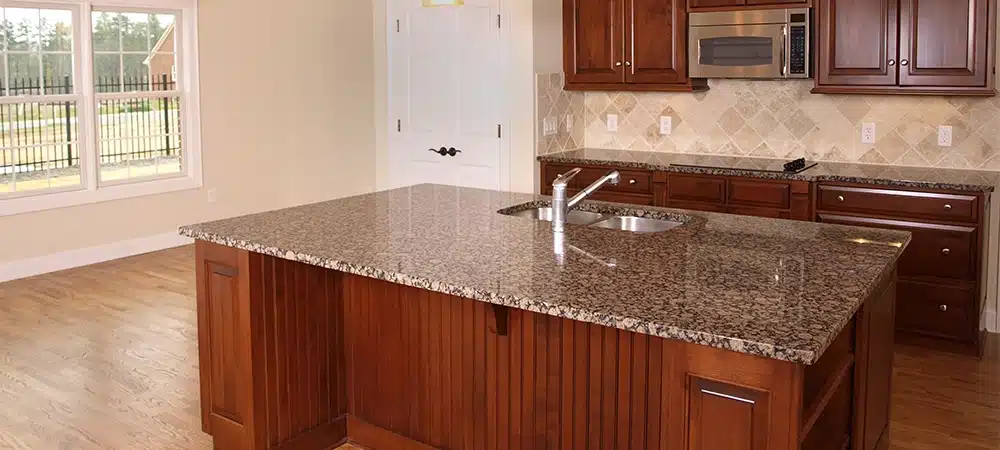
Granite is a natural stone renowned for its strength and durability. It forms from molten lava cooling over millions of years, resulting in granite slabs that are dense and robust.
Pros of Granite Countertops
- Durable: Granite counters stand up to scratches, heat, and daily wear.
- Heat Resistant: You can place hot pans directly on granite without damage.
- Unique Patterns: Each slab has bold, natural colors and patterns, ensuring no two counters are alike.
Cons of Granite Countertops
- Weight: Granite slabs are heavy, requiring sturdy cabinets or reinforcements.
- Porous Surface: Needs periodic sealing to avoid stains and damage.
- Cost: Premium granite can be expensive, especially for larger areas.
Best Uses for Granite
Granite is ideal for kitchen countertops, bar tops, and bathroom vanities where durability and stain resistance are essential. Its natural beauty and strength make it a perfect fit for high-traffic areas.
What Is Quartz?
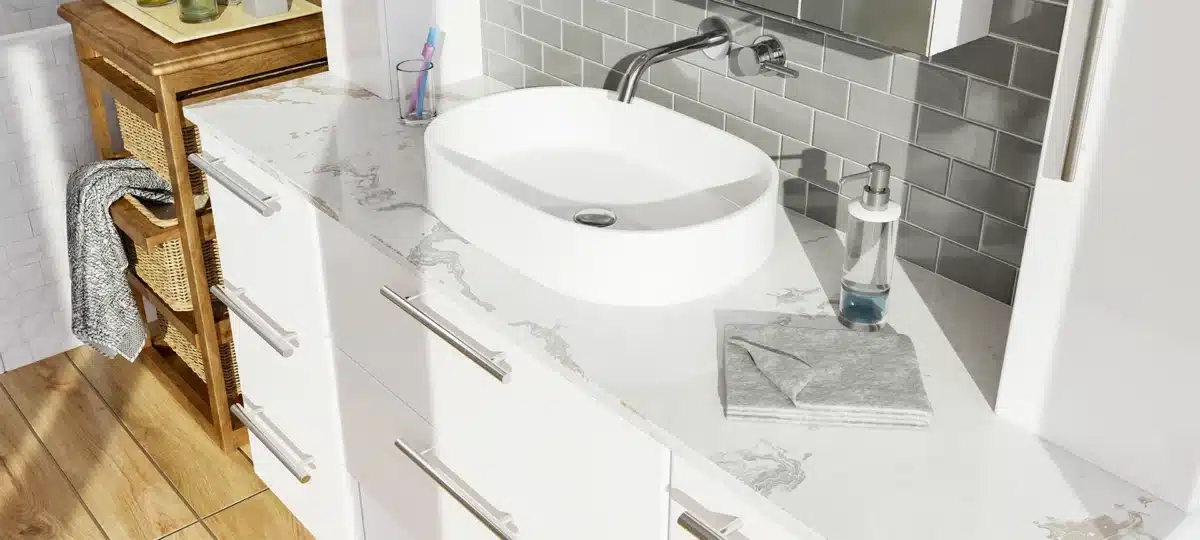
Quartz countertops are engineered surfaces made from natural quartz crystals combined with resins and pigments. This engineered quartz is non-porous and highly durable.
Pros of Quartz Countertops
- Stain Resistant: Engineered quartz does not stain easily and requires no sealing.
- Durable: Resists scratches and chips better than many other materials.
- Design Variety: Available in many colors and patterns, including marble and granite looks.
Cons of Quartz Countertops
- Heat Sensitivity: Not heat resistant; hot pads are necessary to protect the surface.
- Synthetic Look: Some may find quartz less natural in appearance compared to stone countertops.
- Cost: High-quality quartz can be as costly as natural stone options.
Best Uses for Quartz
Quartz is perfect for kitchens, bathrooms, laundry rooms, and other high-use counters. Its low maintenance and hygienic properties make it ideal for busy households and modern interiors.
Related Article: The Advantages and Disadvantages of Engineered Quartz
Comparing Marble, Granite, and Quartz
Understanding how these materials compare helps you select the perfect countertop for your home.
Durability
- Marble: Soft and prone to scratches and stains.
- Granite: Very durable and heat-resistant.
- Quartz: Extremely durable but sensitive to high heat.
Maintenance
- Marble: Requires regular sealing and gentle cleaning with soft cloths.
- Granite: Needs occasional sealing and proper care.
- Quartz: Maintenance-free with only routine cleaning using warm water and mild detergent.
Aesthetic Appeal
- Marble: Timeless elegance with natural veining.
- Granite: Bold and unique stone counters with natural color variation.
- Quartz: Wide range of polished, engineered designs to suit any style.
Cost
- Marble: Highest cost per square foot due to luxury appeal.
- Granite: Moderately priced; cost varies by slab rarity.
- Quartz: Comparable to granite; price depends on brand and style.
Environmental Impact
- Marble and Granite: Natural extraction impacts the environment.
- Quartz: Manufactured, but some brands use eco-friendly processes.
How to Choose the Right Countertop
1. Assess Your Needs
Consider your lifestyle and how much wear your countertops will endure. High traffic areas benefit from granite or quartz; marble suits low-use spaces.
2. Set a Budget
Include installation and maintenance costs when comparing materials.
3. Match Your Style
Choose a material that complements your cabinets, floors, and overall interior design.
4. Evaluate Maintenance Commitment
Quartz offers the lowest maintenance, while marble requires the most care.
Additional Countertop Options
Butcher Block
Warm and inviting, butcher block is perfect for accent areas but requires careful maintenance to avoid stains and damage from heat or cuts.
Soapstone
Soapstone is durable, heat-resistant, and stain-resistant. It develops a patina over time, adding character to your counters.
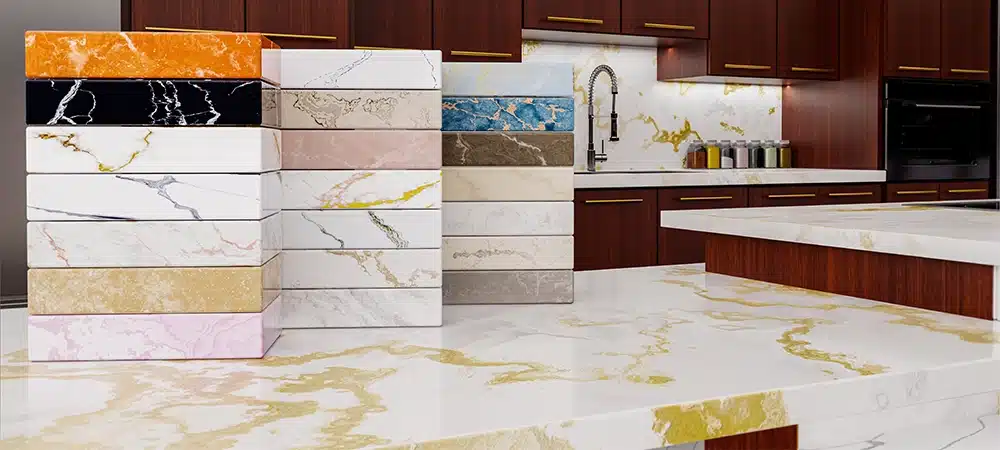
Quartzite and Onyx
Quartzite offers natural stone durability with unique patterns. Onyx is a polished stone with a luxurious appearance but requires delicate care.
Related Article: How to Mix and Match Kitchen Countertops and Cabinets
Proper Care Tips for Stone Countertops
- Use cutting boards to prevent scratches.
- Clean regularly with soft cloths and warm water.
- Avoid placing hot pans directly on quartz surfaces; use hot pads.
- Seal marble and granite countertops periodically to prevent staining.
- Wipe spills immediately to protect porous stones.
FAQs
1. Which countertop material is best for high-traffic kitchen use?
Granite and engineered quartz are best due to their durability and resistance to stains and scratches.
2. Can marble countertops be used in bathrooms?
Yes, marble is ideal for bathroom countertops and vanities where it faces less wear and tear.
3. Do quartz countertops require sealing?
No, engineered quartz is non-porous and does not require sealing.
4. How do I protect quartz countertops from heat damage?
Always use hot pads or trivets to avoid placing hot pans directly on quartz surfaces.
5. Are granite slabs heavier than other countertop materials?
Yes, granite slabs are heavy and may require reinforced cabinets for proper support.
Ready to Upgrade Your Countertops?
Explore the stunning selection of marble slabs, granite slabs, and engineered quartz countertops at MyHome’s Midtown Manhattan showroom. Contact us today to schedule your consultation and bring your renovation vision to life!

Adam Blake
Adam Blake is Design Manager at MyHome Renovation Experts, known for blending smart space planning with timeless design. With hands-on experience guiding homeowners through renovations, he understands how to transform kitchens and living spaces into highly functional, beautifully crafted environments.
Related Posts

What Happens During a DOB Inspection in NYC and How Renovations Fail Them
If you’re renovating in New York City, a permit is only half the battle. The...
How Much Does a Kitchen Remodeling in Brooklyn, NY Cost in 2026?
Kitchen remodeling is a popular way for homeowners in Brooklyn to add value to their...

Why NYC Renovation Timelines Slip and How Experienced Teams Prevent It
If you’re renovating an apartment in New York City and asking yourself, “Why is my...