Home Planning & Renovations
Why NYC Renovation Quotes Vary So Much (Even for Similar Apartments in NYC)
By Adam Blake
NYC renovation quotes vary so much because contractors often include very different scopes of work, assumptions, and levels of compliance. Differences in material allowances, permits, insurance coverage, labor quality, and building protection can easily create $40,000–$100,000 gaps between estimates for the same apartment renovation.
Why NYC Renovation Quotes Differ Widely
In short, NYC renovation quotes are pricing estimates that vary widely based on scope clarity, material assumptions, legal compliance with local building codes, and the contractor’s experience working in New York City buildings.
The Common Scenario: Comparing Multiple Quotes
It is the most common scenario we see in our design studio. You are sitting at your dining table with three PDFs open on your laptop.
- Quote A comes in at a shockingly low number.
- Quote B is nearly double that amount.
- Quote C is somewhere in the middle.
You are looking at the same kitchen renovation. It’s the same square footage. You asked for “white kitchen cabinets and quartz countertops” from everyone. So, why is there a $40,000, $60,000, or even $100,000 difference between the proposals?
Questions Homeowners Often Ask
Is the high bidder ripping you off? Is the low bidder going to cut corners?
Our Experience and Analysis
As a design-build firm with 25 years of experience, we have analyzed thousands of renovation quotes and detailed cost breakdowns. The truth is, renovation quotes in New York City are rarely “apples to apples.” The variance usually comes down to what is included in the scope versus what is assumed (or ignored) to get the price down.
What to Expect in This Guide
Here is the transparent breakdown of why your renovation quotes look so different, and how to spot the red flags before you sign.
The 5 Biggest Reasons NYC Renovation Quotes Vary
This side-by-side comparison shows why NYC renovation quotes can differ so dramatically.
| Cost Driver | Low-Bid Contractor | MyHome Renovation Experts |
|---|---|---|
| Material Costs | “Allowances” (Estimates based on cheap materials; you pay the difference later). | Fixed Price (Based on actual high-quality materials you select in our showroom before signing). |
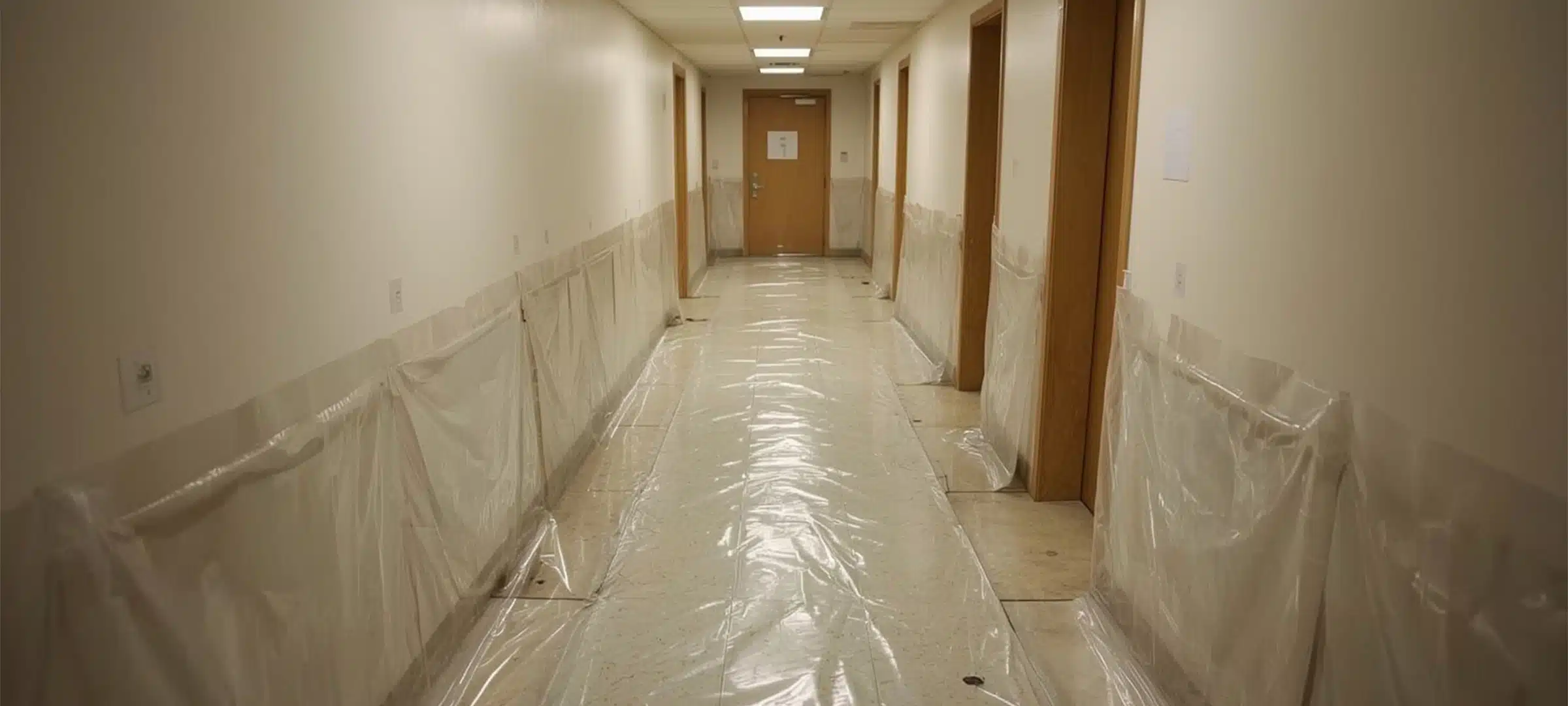
| Building Protection | Minimal. Often violates the luxury Co-op rules. | Full protection (Masonite floors, hallway protection) compliant with the strict Boards. |
| Permits & DOB | “We don’t need permits” (High risk). | Full DOB filing, expediting, and architectural plans included by licensed professionals. |
| Labor | Subcontractors or unlicensed day laborers. | In-house, insured, licensed tradespeople providing specialized labor. |
| Warranty | 1 Year (or until they stop answering the phone). | 5-Year Warranty on Labor & Materials. |
1. The “Allowance” Trap vs. Fixed Pricing
The biggest reason NYC renovation quotes vary is the use of material allowances instead of fixed pricing.
A low-bid contractor will often give you a quote based on Allowances. They might list: “Kitchen cabinets: $10,000 allowance.”
This keeps the initial number low, making the quote look attractive. However, once you start shopping, you realize that $10,000 only buys low-quality, flat-pack cabinetry that won’t survive a humid NYC summer. When you pick the quality cabinets you actually want, the price jumps to $25,000. You are now responsible for paying the $15,000 difference during the renovation.
The MyHome Approach (The Vision Stage): We do not believe in allowances. We operate as a One-Stop-Shop. Before you sign a construction contract, you work with our designers to select your specific tile, flooring, fixtures, and cabinetry, whether it’s Cesar Italian Kitchens or custom millwork, right here in our Midtown Manhattan showroom.
The Result: Our price is the price. There is no “sticker shock” midway through the build. See real finished projects in our Kitchen Gallery.

2. The “NYC Factor”: Co-ops, Condos, and Logistics
Renovating a suburban house in New Jersey is fundamentally different from renovating a pre-war apartment on the Upper West Side. Many contractors who aren’t NYC specialists fail to account for the logistics of vertical construction.
The “Hidden” Costs of Logistics
- Parking & Delivery: A contractor cannot simply pull into a driveway in Manhattan. Does the quote account for parking tickets, delivery coordination, and staging materials in a cramped service elevator?
- Building Alteration Agreements: Most NYC Co-ops require strictly enforced work hours (e.g., 9:00 AM to 4:00 PM). If a “cheap” quote assumes an 8-hour workday but the building only allows 6 hours of actual noise, the project will take 30% longer. That labor cost will be passed on to you.
- Common Area Protection: Your building management will require the hallways, elevators, and lobby floors to be protected with Masonite and heavy-duty plastic every single day. This labor and material cost is significant, but essential to getting your security deposit back.
The MyHome Advantage: We know the Super. We know the Board. We include the cost of compliance in our quote so the building doesn’t shut your project down, helping avoid costly delays and permit fees.
3. Behind the Walls: Pre-War vs. Post-War Reality
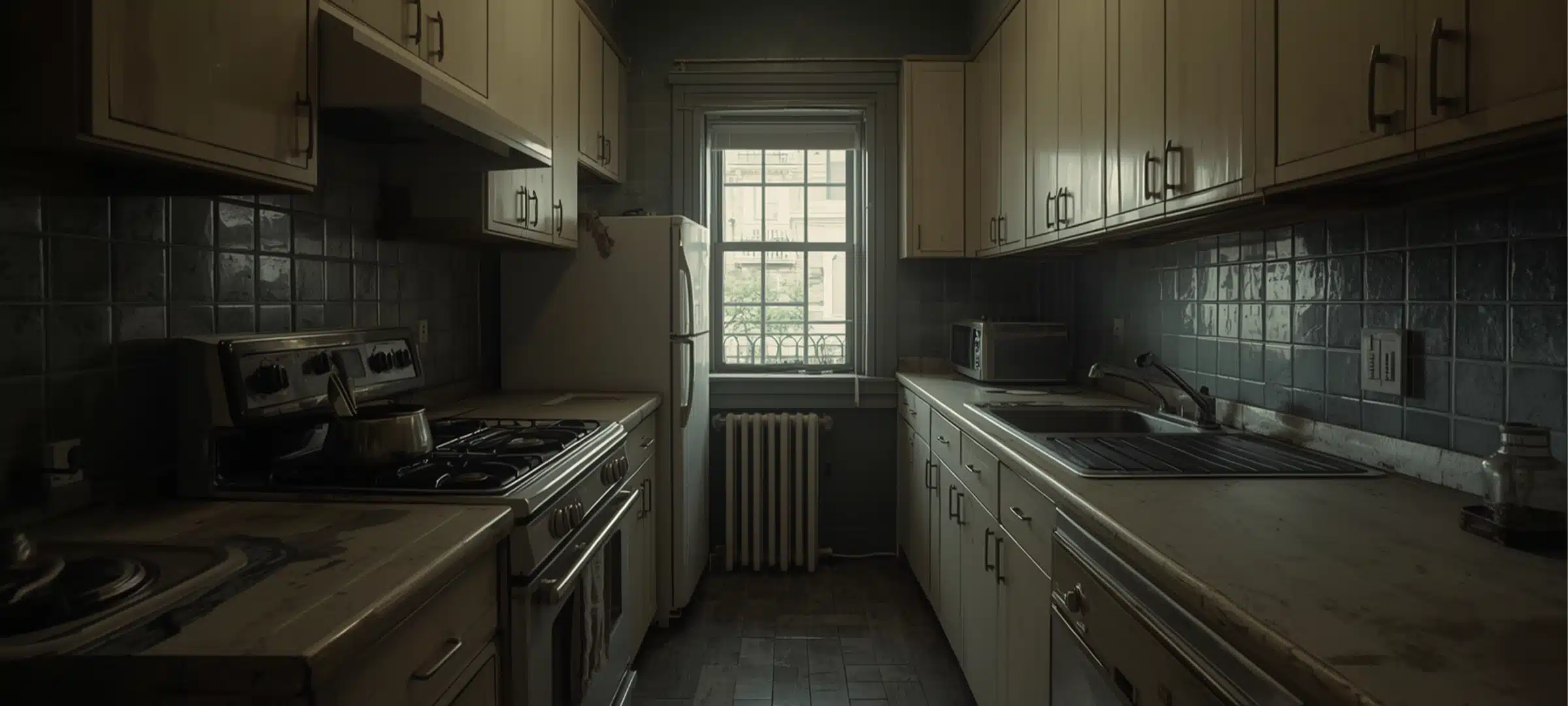
When you walk into your current kitchen, you see the “Before,” the outdated cabinets, and the chipped tile. A low-bid estimator sees that too.
A MyHome Estimator sees what is behind the wall.
The Variance Creators:
- Plumbing: In pre-war buildings, branch lines often need replacing back to the riser. A cheap quote assumes “rough-in” only. If the walls are opened and the pipes are corroded (which they usually are), you will be hit with a “Change Order” immediately.
- Electrical Systems: Does the quote include upgrading your electrical panel? Modern appliances require dedicated circuits. If you install a new induction cooktop on 1950s wiring, you are creating a fire hazard.
- Walls & Floors: NYC apartments rarely have level floors or plumb walls. Installing high-end cabinetry on uneven floors requires extensive “leveling and shimming” labor.
If a quote seems too good to be true, it is likely because they are quoting a “cosmetic” cover-up, not a true renovation.
4. The Cost of Legality: DOB and Insurance
New York City has some of the strictest local building codes in the world.
- Insurance: Many buildings now require contractors to carry up to $5 Million in Umbrella Liability insurance. “Guy in a truck” contractors usually carry $1 Million or less. If they aren’t admitted into the building, your project stalls before it starts.
- Permitting Process: Does your quote include the fees for an Architect or Engineer to file with the Department of Buildings (DOB)? Does it include the cost of asbestos testing and other permit fees?
Skipping permits might save money upfront, but it can make your apartment unsellable in the future. We handle all DOB filings, electrical inspections, and plumbing sign-offs in-house.
5. The Value of the Guarantee
Finally, ask yourself: “What happens if something breaks in two years?”
Most standard renovation contracts offer a mandatory 1-year warranty. After 12 months, if a pipe leaks or a cabinet door sags, you are on your own.
Because MyHome controls the entire process; design, supply, and construction, we offer an industry-leading 5-Year Warranty on labor and materials. We have been here for 25 years, and we will be here to answer the phone if you need us.
Additional Factors That Impact NYC Renovation Costs
Scope and Project Complexity
The project scope and whether you opt for a full gut renovation or a non-gut renovation within existing walls significantly affect the renovation budget. Moving walls, structural changes, and upgrading wet spaces like kitchens and bathrooms add significant costs.
Apartment Size and Layout
Larger apartments, such as a two-bedroom apartment, generally cost more to renovate due to increased material prices and labor requirements. Wet spaces require specialized labor, which adds to the per-square-foot renovation costs.
Contingency Fund and Unexpected Expenses
Setting aside a contingency fund of 10-20% of your total budget is essential to cover unforeseen expenses like hidden plumbing issues or electrical upgrades discovered during demolition.
NYC Renovation Quote FAQs
Why do NYC renovation quotes vary so much?
NYC renovation quotes vary because contractors include different assumptions about materials, permits, insurance, labor quality, and building requirements. Lower quotes often exclude key costs that appear later as change orders or unexpected costs.
What are renovation allowances, and why are they risky?
Allowances are estimated budgets for materials like cabinets or tile. If your selections exceed the allowance, you pay the difference. This is one of the most common causes of renovation budget overruns in NYC.
How can I compare renovation quotes accurately in NYC?
To compare quotes fairly, review the detailed cost breakdown and scope of work line by line. Confirm permits, insurance coverage, material specifications, labor type, and warranty length, not just the total price.
How can I ensure I receive detailed estimates that reflect my renovation goals?
To get detailed estimates aligned with your renovation goals, collaborate with local contractors who provide valuable insights and comprehensive breakdowns of scope, materials, labor, permits, and contingency funds, ensuring proper planning and a realistic home renovation budget.
Why is it important to consider local regulations and permit fees when comparing renovation quotes?
Local regulations and permit fees add significant costs to NYC renovations. Quotes excluding these may seem cheaper, but risk costly delays and fines. Ensure your contractor includes these to avoid unexpected expenses and ensure a smooth, compliant renovation process.
The Bottom Line
A lower quote is not always a “better deal.” Often, it is just a down payment on a remodeling project that will eventually cost much more in change orders, financial stress, and compromised quality.
When reviewing your renovation quotes, look for the scope of work. Is it detailed? Is it transparent? Or is it a single page with a generic price?
Not sure which renovation quote you can trust?
Schedule a complimentary design consultation with MyHome Renovation Experts. We’ll review your space, explain real renovation costs, and provide a transparent, fixed-price plan before construction begins.

Adam Blake
Adam Blake is Design Manager at MyHome Renovation Experts, known for blending smart space planning with timeless design. With hands-on experience guiding homeowners through renovations, he understands how to transform kitchens and living spaces into highly functional, beautifully crafted environments.
Related Posts

What Happens During a DOB Inspection in NYC and How Renovations Fail Them
If you’re renovating in New York City, a permit is only half the battle. The...

How Much Does a Kitchen Remodeling in Brooklyn, NY Cost in 2026?
Kitchen remodeling is a popular way for homeowners in Brooklyn to add value to their...
Why NYC Renovation Timelines Slip and How Experienced Teams Prevent It
If you’re renovating an apartment in New York City and asking yourself, “Why is my...