Home Planning & Renovations
NYC Co-op Bathroom Remodel Cost Guide 2026: Board Rules & Real Pricing
By Adam Blake
Remodeling a bathroom in a NYC co-op is a financial and logistical challenge that differs entirely from renovating a condo or brownstone. While a standard bathroom update might seem straightforward, in a co-op, you aren’t just managing tiles and fixtures; you are navigating a complex web of “shares,” proprietary leases, and strict Board of Directors oversight.
The real cost often surprises homeowners. A typical NYC co-op bathroom remodel lands between $30,000 and $75,000, but the “sticker shock” rarely comes from the design. It comes from the invisible costs of compliance: multi-million dollar insurance riders, alteration agreements, and Department of Buildings (DOB) permits.
As a design-build firm that has navigated NYC’s toughest buildings for over 25 years, we break down exactly where your budget goes and how to avoid the “hidden” logistics costs that stall projects.
Why NYC Co-op Bathroom Remodels Cost More
In a standalone house, you own the plumbing. In a NYC co-op, you own “shares” in the corporation, and the building owns the pipes behind your walls. This distinction changes everything. Because a leak in your bathroom affects the neighbor downstairs, Co-op Boards are notoriously protective. They don’t care if you want a rainfall showerhead; they care about waterproofing, water pressure, and insurance liability.
The Reality Check: A general contractor who primarily works in suburbs or condos often underbids co-op projects because they don’t understand the constraints. They likely won’t account for the 6-hour effective workday, the daily “floor protection” tax, or the $5 million umbrella insurance policy most Manhattan Boards demand. When the Management Company rejects their insufficient paperwork, your project stalls, and your costs skyrocket.
What Co-op Boards Typically Require
Before you can swing a sledgehammer, you must sign an Alteration Agreement. This document dictates the scope of what is possible. From our two decades of experience, here is what you must budget for:
- Insurance Minimums: Most Boards now demand contractors carry $2 million to $5 million in Umbrella Liability insurance. Tip: MyHome carries high-limit coverage specifically to satisfy these luxury building requirements.
- “Wet-Over-Dry” Restrictions: You generally cannot expand a bathroom over a “dry” space (like a bedroom) in the apartment below you.
- Plumbing Replacement: Many pre-war buildings will require you to replace the “branch lines” (the pipes connecting your fixtures to the building’s main riser) all the way back to the wall.
- Waterproofing Tests: Expect to pay for a “water test” where the shower pan is filled and left to sit for 24-48 hours to ensure no leaks occur before tiling begins.
Average Bathroom Remodel Costs in NYC Co-ops
While every project varies, a full “gut” renovation of a standard 5×8 co-op bathroom generally lands higher than the national average due to the logistics of vertical construction.
NYC Co-op Bathroom Remodel Cost Snapshot
| Renovation Level | Estimated Cost |
|---|---|
| Cosmetic Update (Fixtures, tile refresh, no plumbing changes) | $30,000 – $40,000 |
| Full Gut Renovation (Standard 5×8 bathroom) | $45,000 – $60,000 |
| High-End Custom Remodel (Plumbing upgrades, layout changes) | $65,000 – $75,000+ |
These ranges reflect licensed labor, DOB filings, co-op compliance, and proper waterproofing.
The “Hidden” Logistics Cost
- Elevator & Hallway Protection: We must protect the path from the street to your apartment daily.
- Debris Removal: Debris must be bagged, carted down service elevators, and trucked away. There is no “dumpster in the driveway” option in Manhattan.
- Time Constraints: A 6-hour workday (due to strict building rules) means the same job takes more days to complete than it would in a house with an 8 or 10-hour work window. Labor costs adjust accordingly.
Related article: What Is the Average Package of Bathroom Renovation?
Permit, Material & Labor Cost Breakdown
When reviewing your quote, look for these three pillars. If one is missing, you are looking at a partial estimate.
1. The Paperwork (approx. 10-15% of budget)
This includes your Architectural Plans, Expediting Fees, and DOB Filing Fees. Even simple fixture replacements often require a Limited Alteration Application (LAA).
- MyHome Advantage: We handle all filings in-house, ensuring your paperwork matches exactly what the Board wants to see.
2. The Labor & Rough Materials (approx. 40-50% of budget)
This is the “invisible” work: demolition, framing, new licensed plumbing, electrical upgrades (installing GFCIs), waterproofing, and board-mandated soundproofing.
- Note: Co-ops often require licensed plumbers and electricians to have their own specific insurance certificates.
3. The Finish Materials (approx. 35-45% of budget)
This is the “fun” part: vanity, toilet, tub/shower, tile, lighting, and accessories.
- Warning: Avoid “Allowances.” At MyHome, we use a Fixed Price model. You select your specific materials in our showroom before signing, so the price regarding materials doesn’t change mid-project.
Common Delays and How to Avoid Them
Time is money. The biggest cost driver in a co-op renovation is often the delay caused by the approval process.
- The Management Review: It can take management companies 2-4 weeks (or longer) to review your package.
- The Building Architect: The building will hire an architect to review your plans. You are responsible for paying their fee.
- Water Shut-Offs: Turning off water to a “line” of apartments requires coordination with the Super and neighbors.
How we mitigate this: We submit complete, compliant packages the first time. Our project managers have relationships with Supers across the city, facilitating smoother shutdowns and inspections.
NYC Co-op Bathroom Remodel FAQs
How long does a full bathroom renovation take in a NYC co-op?
Unlike a standard 3-week timeline, a co-op bathroom renovation typically requires 5 to 8 weeks of construction time. This is due to strict building work hours (often 9 AM to 4 PM), mandatory elevator protection setup/breakdown daily, and waiting periods for Superintendent inspections.
What are the rules for soundproofing a co-op bathroom?
Most NYC co-op boards now mandate specific soundproofing measures to prevent noise transfer to neighbors. This usually involves installing a cork underlayment or sound-dampening membrane (like Schluter-DITRA) under new floor tiles. Failure to include this in your initial Alteration Agreement can lead to immediate work stoppages.
Do I need a DOB permit for a simple fixture replacement?
It depends on the scope. A simple “rip and replace” of a vanity may not require a full permit, but replacing a toilet or shower body often triggers the need for a Limited Alteration Application (LAA). Because co-ops share plumbing stacks, Boards almost always require Licensed Master Plumbers (LMPs) to file this paperwork to protect the building’s infrastructure.
Real Case Study: A Pre-War Co-op Challenge
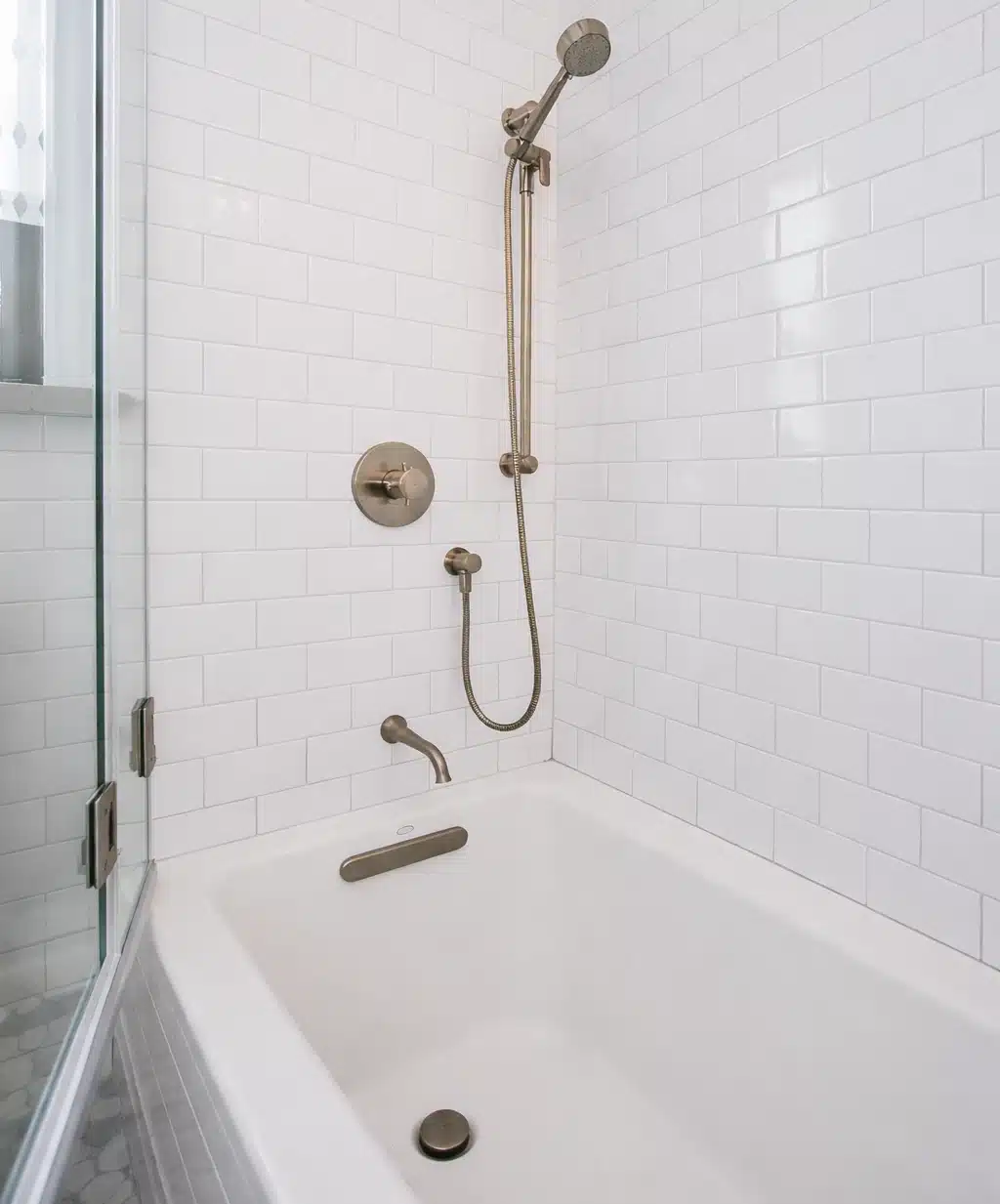
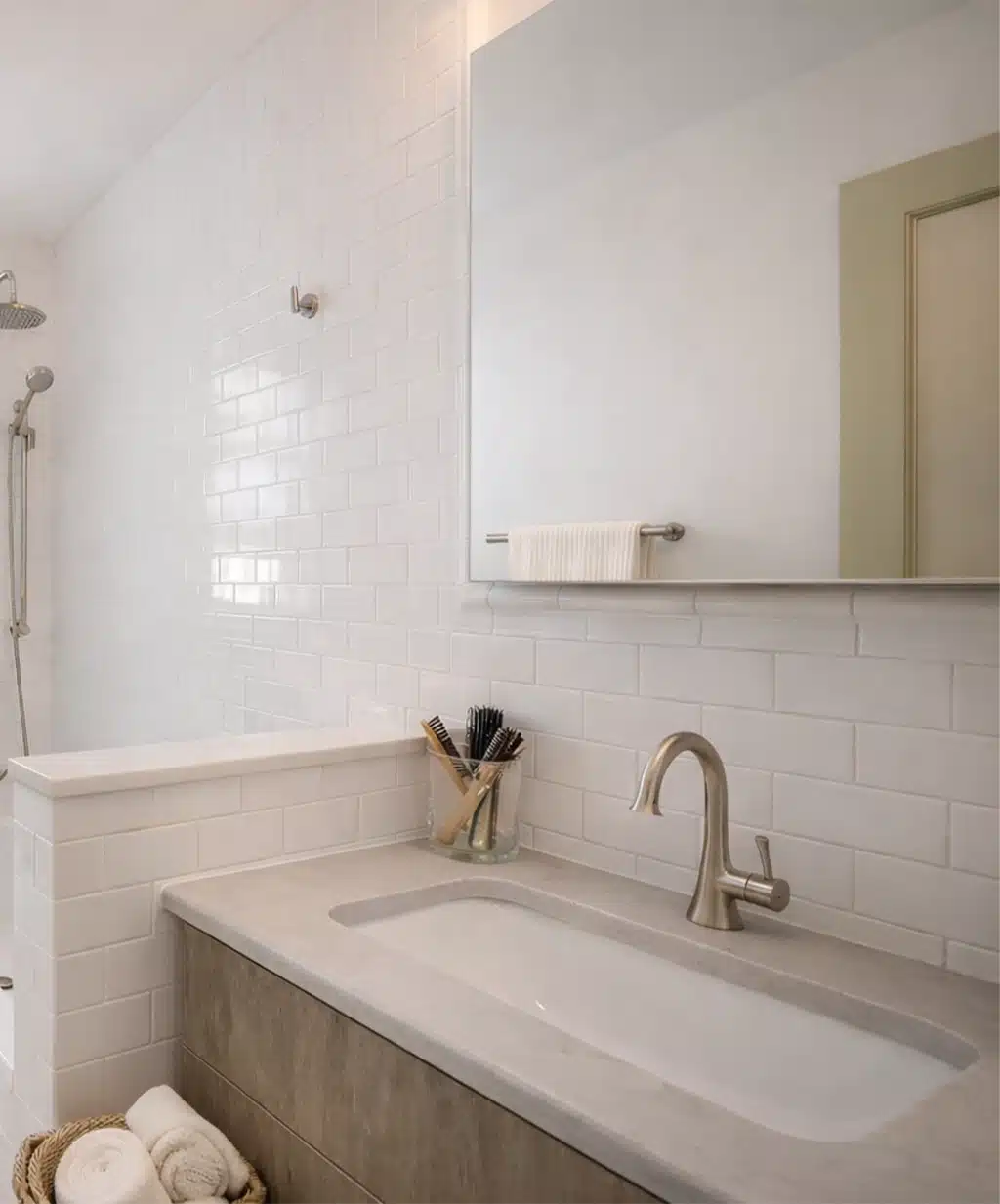
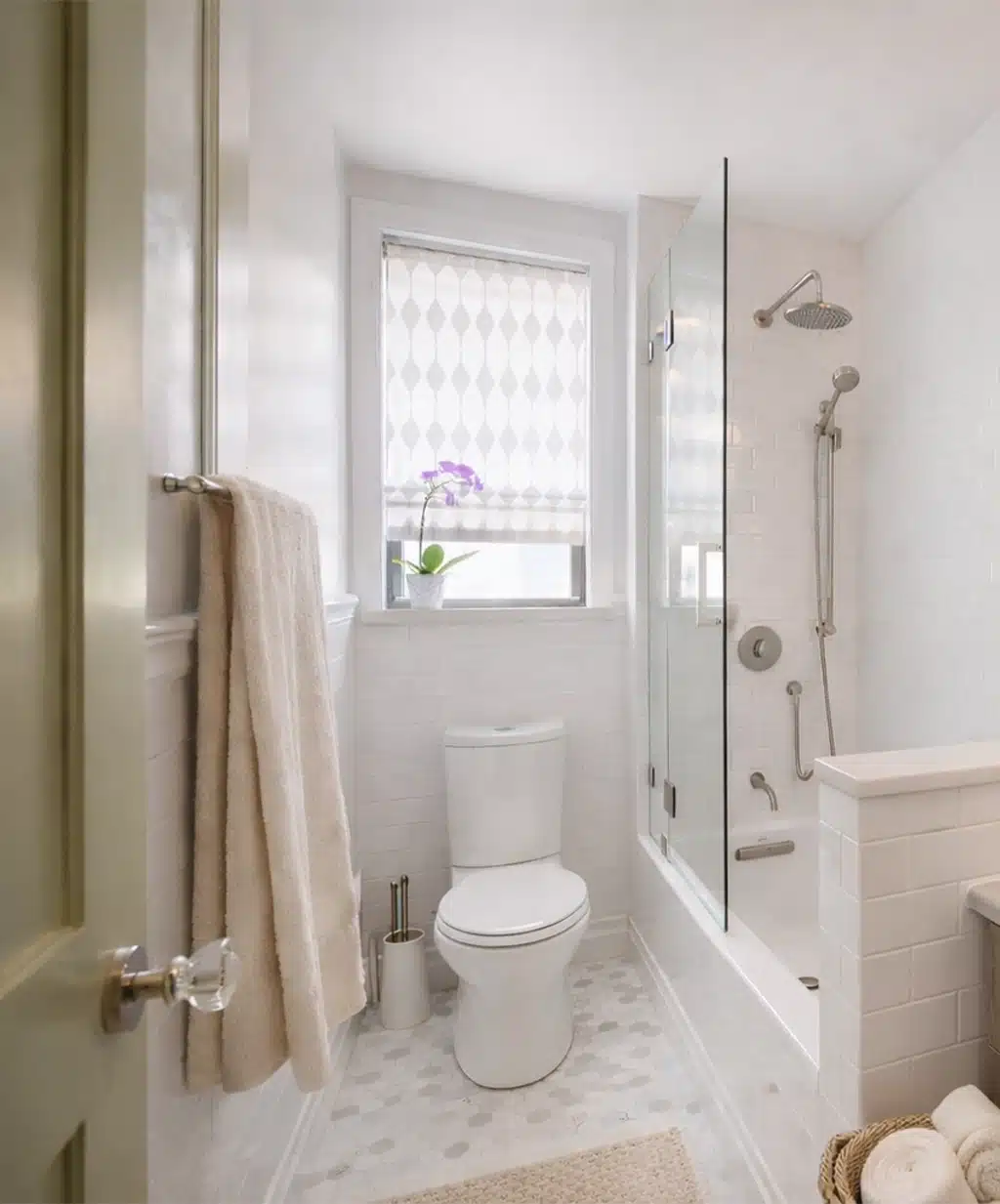
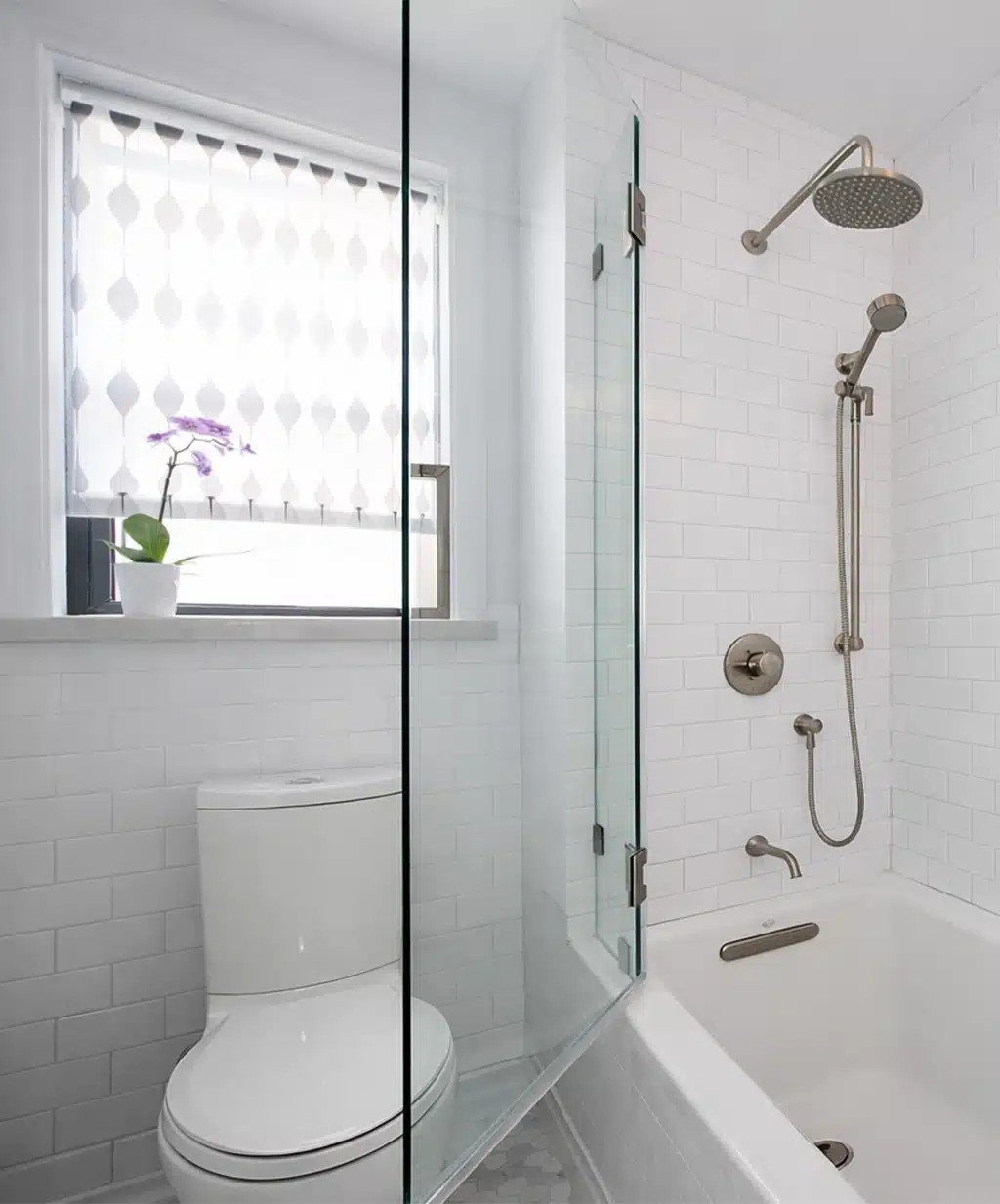
The Project: The homeowners at 211 East 35th Street needed a complete bathroom renovation in their Midtown East co‑op. The project involved re‑imagining a pre‑war space (the building dates from 1929 and was later converted to a cooperative) while staying within the co‑op board’s strict guidelines.
The Challenge:
- Pre‑war infrastructure: The mid‑rise building has 76 units and ten stories. Like many 1920s co‑ops, the existing plumbing used old lead and cast‑iron lines that could not support modern fixtures without careful upgrades.
- Co‑op board rules: The building’s cooperative structure required board approval for any changes affecting common elements (plumbing stacks, waste lines and venting). Noise restrictions and limited work hours also constrained the construction schedule.
- Tight footprint: The original bathroom was small and dark. Layout changes were limited because structural walls and plumbing risers could not be moved.
The Solution
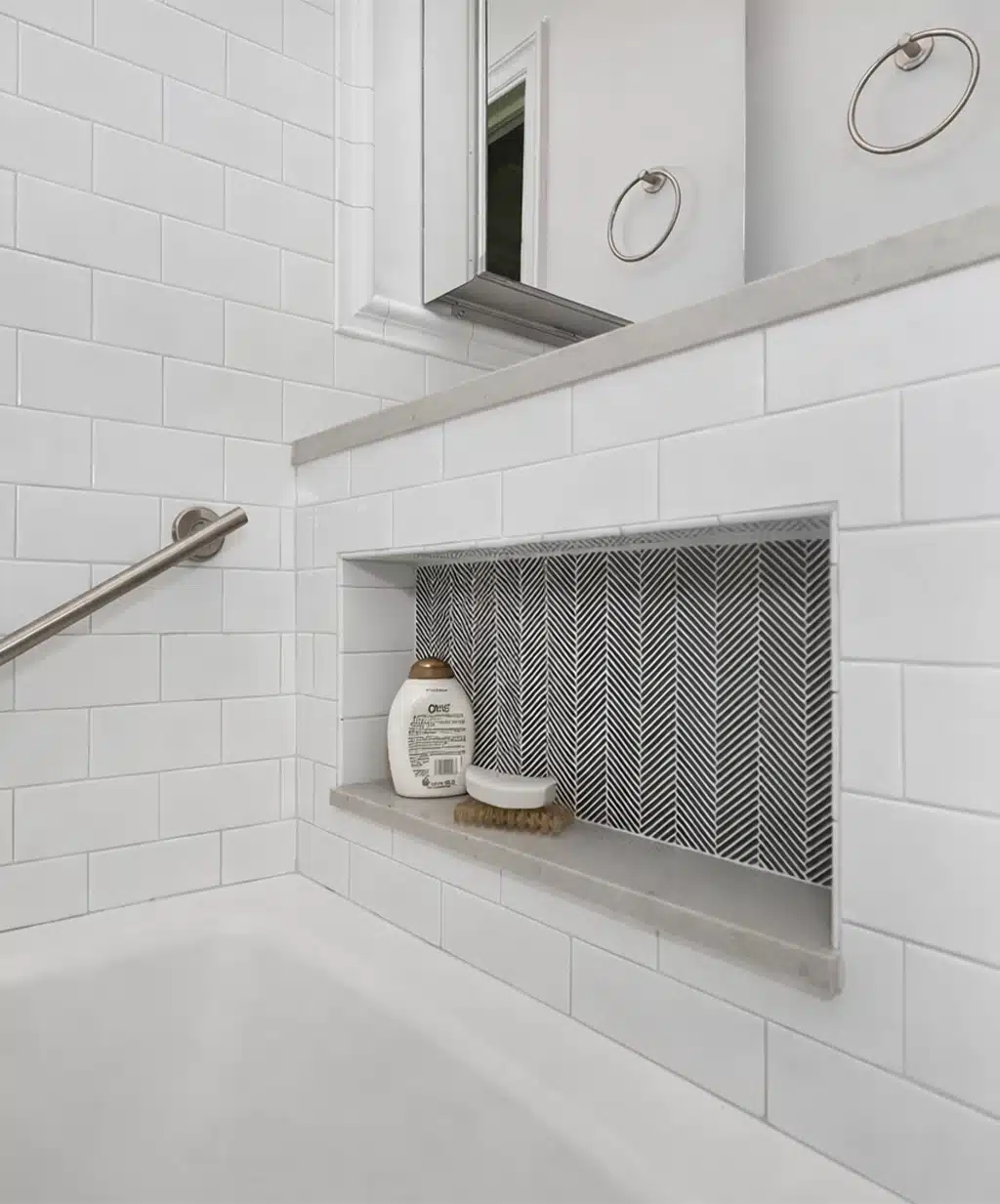
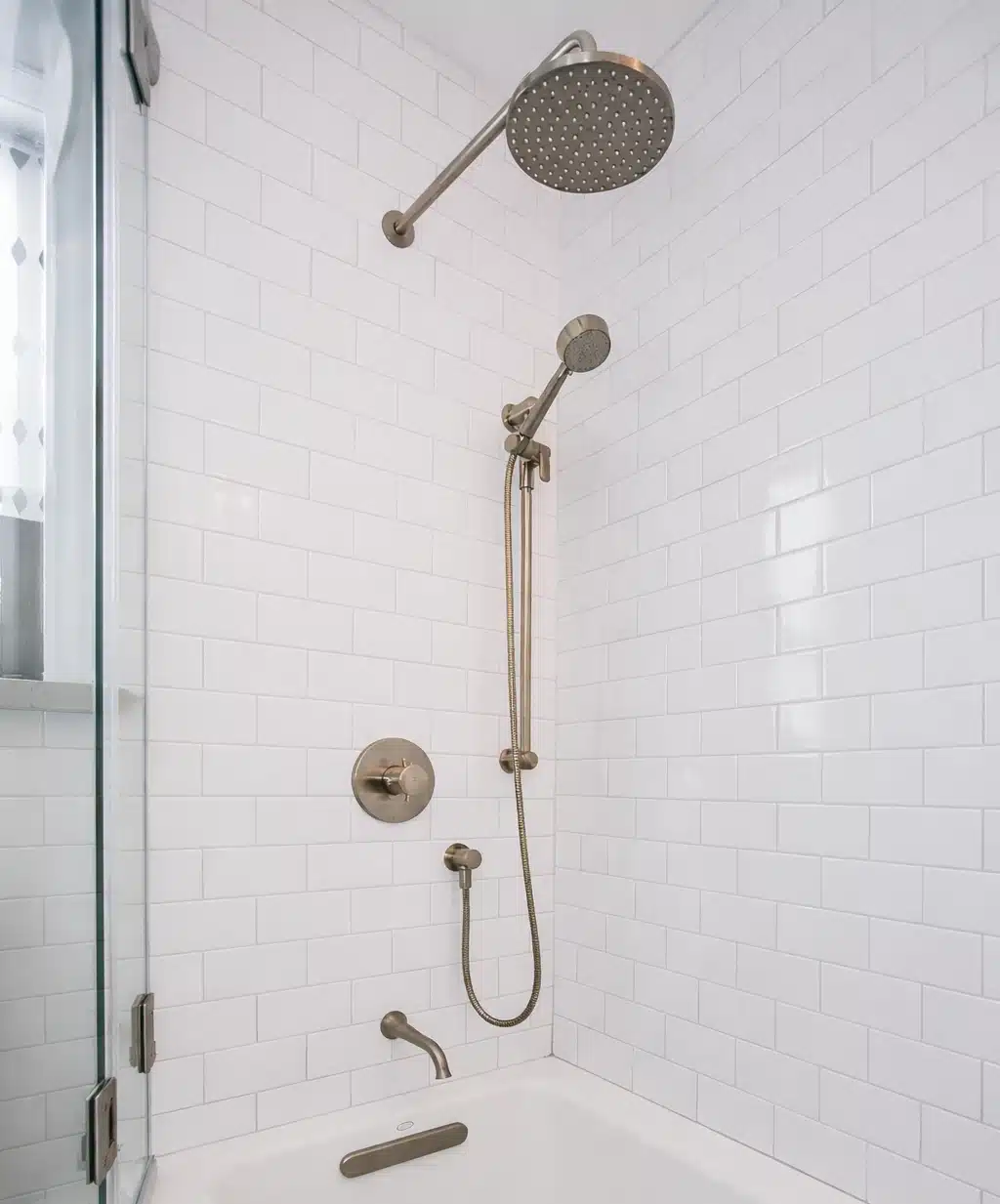
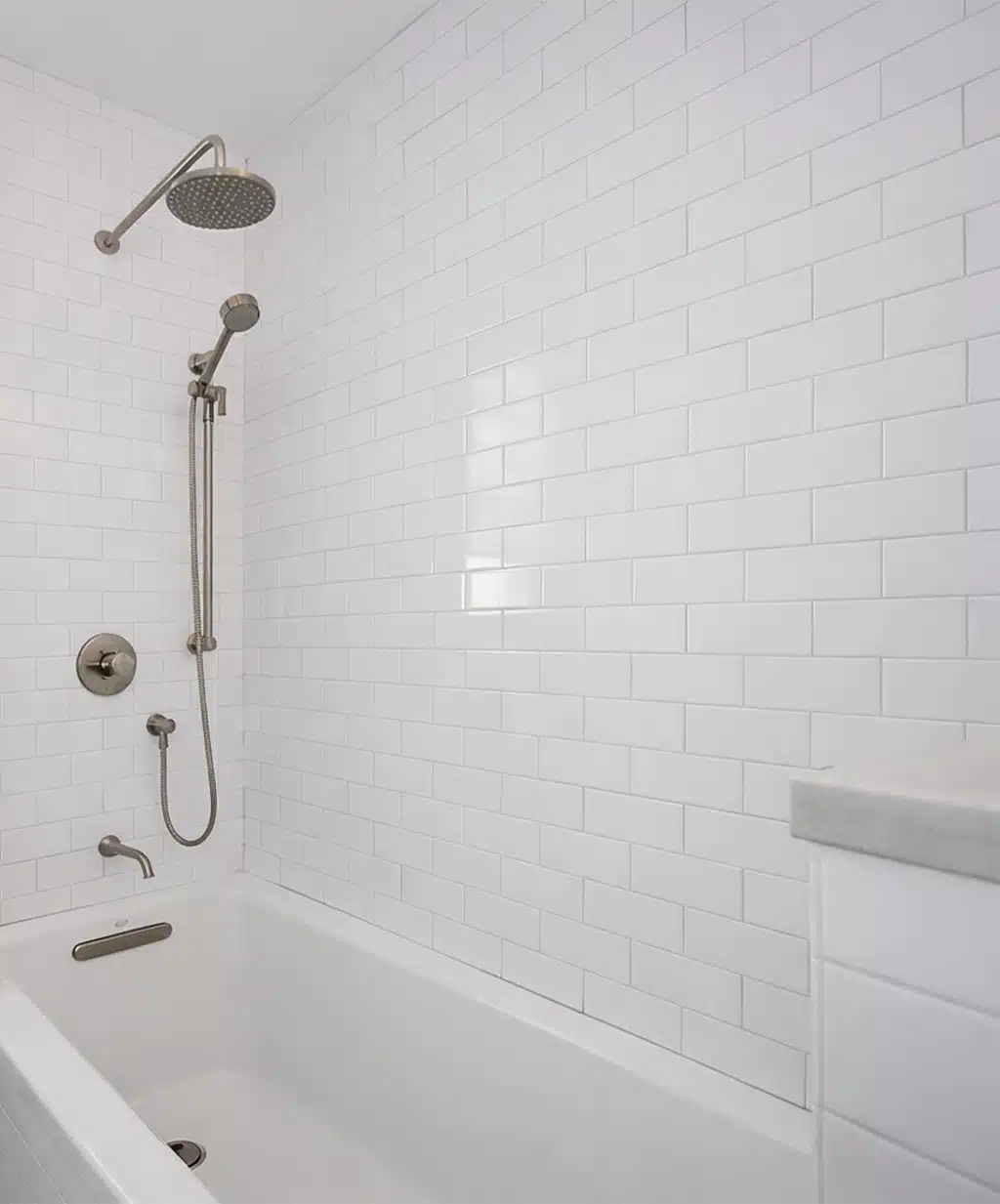
- Design continuity: To respect the building’s pre‑war aesthetic, MyHome’s design team specified classic subway tile, a porcelain console sink, and a marble basket‑weave floor. These choices honored the 1929 architecture while introducing modern amenities such as a frameless glass shower and under‑cabinet LED lighting.
- Plumbing strategy: Working with a licensed plumber, the team replaced the original waste lines and tied into the building’s vertical stack without disturbing neighbors. By including the replacement work in the initial permit filing, MyHome secured board approval quickly.
- Board coordination: MyHome’s expediting department prepared a comprehensive submission outlining materials, timeline,s and noise‑mitigation measures. This transparency won the board’s confidence and approval in just a few weeks.
- Warranty assurance: The project was covered by MyHome’s 5‑Year Warranty, giving the co‑op board and homeowners peace of mind that any future issues would be addressed without additional board filings.
The Result: The renovation was finished on schedule despite restrictive work hours. The updated bathroom now features modern conveniences while preserving the building’s pre‑war charm. Board approval and the certificate of compliance were obtained without complications. This case demonstrates how thoughtful design, proactive board coordination, and respect for a building’s history can yield a successful bathroom remodel in a strict Manhattan co‑op.
Start Your Co-op Bathroom Remodel with Confidence
Renovating in a co-op is a complex dance of design and diplomacy. You need a partner who knows the steps. Don’t let the paperwork scare you away from the bathroom you deserve.
Planning a co-op bathroom remodel? Explore our Bathroom Renovation Services or schedule a free NYC design estimate. We’ll review your building rules, outline real costs, and create a compliant plan before construction begins.

Adam Blake
Adam Blake is Design Manager at MyHome Renovation Experts, known for blending smart space planning with timeless design. With hands-on experience guiding homeowners through renovations, he understands how to transform kitchens and living spaces into highly functional, beautifully crafted environments.
Related Posts

DOB NOW Filing for NYC Renovations: What Homeowners Should Know
Starting a Manhattan condo remodeling project or a Brooklyn brownstone renovation is an ambitious journey...

Who Actually Manages an NYC Renovation and Why It Matters More Than You Think
Renovating a home in New York City involves far more than choosing finishes and hiring...
Finding Bathroom Fixtures for Small Spaces in NYC
Designing a functional bathroom in New York City often means working with limited square footage....