Home Planning & Renovations
Just Bought a Brooklyn Apartment? Here’s How Turnkey Renovation Actually Works
By Yoel Piotraut
Turnkey apartment renovation Brooklyn buyers need most is the kind where one team handles everything — design, permits, board approvals, construction, and final styling — so you can move into a finished home without becoming the project manager yourself.
If you’ve just closed on a Brooklyn apartment that needs work before you can live in it, you’re facing a decision that will shape the next several months of your life: coordinate multiple contractors, designers, and expediters yourself, or find a team that takes the entire project off your plate.
This guide explains what turnkey renovation actually includes, how Brooklyn buildings affect the process, and what to expect from consultation to move-in day.
At a glance
- Understand what turnkey actually means — one team handles design, permits, board approvals, construction, and styling under a single contract, so you’re not coordinating between five different parties.
- Know why Brooklyn buildings complicate things — prewar co-ops, newer condos, and brownstone conversions each have different approval processes, structural realities, and timelines.
- Learn the five phases of a turnkey project — consultation, design, permits and board approval, construction, and quality assurance before move-in.
- Ask the right questions before signing — board-approval experience, itemized proposals, named contacts, and change-order policies separate real turnkey teams from contractors who’ll hand coordination back to you.
- See why MyHome’s track record matters — 25 years in Brooklyn and Manhattan, and we’ve never been turned down by a residential building.
For a Brooklyn bathroom renovation, the same turnkey approach helps coordinate design, permits, board approvals, plumbing work, and construction under one team.
What “Turnkey” Actually Means for Brooklyn Apartment Renovations
Short answer: Turnkey means you hand over the keys to your unfinished apartment and get them back when it’s move-in ready — with one team responsible for every step in between.
The word gets used loosely in this industry. Some contractors call themselves “full-service” but expect you to hire your own designer, file your own permits, or manage your building’s approval process separately. That’s not turnkey. That’s coordination dressed up in better marketing.
True turnkey renovation means a single company handles:
- Interior design and space planning
- Material sourcing and procurement
- DOB permit filings and inspections¹
- Co-op or condo board approval submissions
- All construction trades (demolition, plumbing, electrical, carpentry, tile, paint)
- Quality assurance walkthrough
- Final styling and punch list
The alternative is hiring an architect, a designer, a general contractor, and possibly an expediter — then spending your evenings coordinating between them. For a Brooklyn apartment renovation that might take three to six months, that coordination burden adds up fast.
The Services a True Turnkey Team Should Include
Before you sign with any renovation company, confirm they actually handle:
- Design — not just “we can recommend someone,” but an in-house designer who works with you on layouts, materials, and finishes
- Board approvals — the alteration agreement, insurance certificates, and building-specific requirements your co-op or condo board requires
- Permits — DOB filings² for any plumbing, electrical, or structural work
- Construction — all trades under one contract, not a patchwork of subcontractor relationships you have to manage
- Communication — a named person you can reach throughout the project, not a rotating cast of whoever’s available
If any of these fall to you, it’s not turnkey.


Why Brooklyn Renovations Are Different
Short answer: Brooklyn’s mix of prewar co-ops, newer condos, and brownstone conversions means your building type directly affects what approvals you need, what structural changes are possible, and how long the project will take.
A renovation in a 1920s Park Slope co-op is a different project than one in a 2015 Williamsburg condo — even if the scope of work is identical. The co-op board has broader authority to approve or reject your plans. The prewar building may have original plumbing or knob-and-tube wiring that needs updating before your renovation can proceed. The newer condo may have simpler approvals but stricter rules about construction hours and freight elevator scheduling.
Brooklyn brownstones come with their own variables: landmark district restrictions in neighborhoods like Brooklyn Heights or Fort Greene, structural limitations from original construction, and board dynamics that vary building to building.
Your contractor needs to know the difference. A team that’s renovated across Brooklyn’s building stock will anticipate these variables. A team that hasn’t may quote you a timeline that assumes smooth approvals — then blame the building when reality intervenes.
Co-op vs. Condo: What Your Building Type Means for Approvals
Both co-ops and condos require approval before you can renovate, but the process differs:
Co-ops typically require a formal alteration agreement, board review of your plans, proof of insurance, and evidence that your contractor is licensed and insured. The board has significant discretion — they can ask for changes, impose conditions, or take weeks to respond. Co-op boards operate under guidelines overseen by the New York Attorney General’s Real Estate Finance Bureau³, which regulates offering plans and governance structures.
Condos usually have a lighter review process, but still require notice, insurance documentation, and compliance with building rules. Some condo boards — particularly in newer Williamsburg and Greenpoint developments — approve standard renovations quickly. Others are as involved as any co-op.
In both cases, your contractor should handle the submission. If you’re being asked to prepare the board package yourself, that’s a red flag.

The Turnkey Apartment Renovation Brooklyn Process: What Happens After You Sign
Short answer: A well-run turnkey project moves through five phases — consultation, design, approvals, construction, and move-in — with clear handoffs and consistent communication throughout.
Understanding this arc helps you evaluate contractors and know what questions to ask.
Phase 1 — Consultation and Proposal
The process starts with a site visit. A good contractor will walk your apartment, ask about your goals, discuss what’s feasible given your building and budget, and provide a written proposal.
That proposal should itemize labor costs — not just a single lump sum. When you can see what demolition costs versus what tile installation costs, you can make informed decisions about scope. You can also spot changes later if something gets added.
At MyHome, we provide an itemized labor proposal after every consultation. You see exactly what you’re paying for before you commit.
Phase 2 — Design and Material Selection
Once you’ve agreed to move forward, you’ll work with a designer to plan layouts, select materials, and finalize finishes. This is where your apartment starts to take shape — on paper first, then in samples you can see and touch.
If you’re not “design-savvy” (most people aren’t), a good designer guides you toward selections that work together. That’s different from a passive designer who nods at whatever you suggest.
Our Midtown showroom at 353 W 48th Street has model kitchens, model bathrooms, and thousands of samples. Clients from Brooklyn and Manhattan can see materials at scale and make decisions with confidence — not from a catalog.
Phase 3 — Permits and Board Approval
This is where turnkey earns its value. Permit filings require knowing which DOB applications¹ your project needs, coordinating inspections, and responding to examiner questions. Board approvals require assembling the alteration agreement package, liaising with the managing agent, and sometimes attending board meetings on your behalf.
Most homeowners have never done this. Most contractors who say “we handle permits” mean they’ll file the paperwork — not that they’ll own the relationship with your building.
MyHome has handled board approvals across Manhattan and Brooklyn for 25 years. We’ve never been turned down by a residential building. That track record matters when your move-in date depends on your board saying yes.
Phase 4 — Construction and Communication
Construction is what most people picture when they think “renovation” — but it’s only one phase of five. During this phase, you should receive regular updates without having to chase anyone.
At MyHome, your project is led by a dedicated Project Manager who provides weekly reports and is available to answer questions throughout the build. You’ll know what happened this week, what’s planned for next week, and whether you’re on track.
If you’re living in the apartment during renovation (or your building has strict rules about common areas), cleanliness matters. Our crews protect floors, walls, and hallways, and leave the site clean at the end of each day. Even building supers have commented on the difference — and in Brooklyn co-ops, keeping your super happy is worth more than most people realize.
Phase 5 — Quality Assurance and Move-In
Before we call a project complete, we walk through every detail with you. That’s the quality assurance step — catching the small things before you move in, not after.
And because renovations are long-term investments, we back our work with a 10-year written warranty. That’s your assurance that we stand behind what we build.

What to Ask Before Hiring a Turnkey Renovation Company
Short answer: The right questions separate true turnkey contractors from those who’ll hand coordination back to you mid-project.
Before you sign, ask:
- Who will I talk to throughout the project? You should get names, not “someone from our team.”
- Do you handle board approvals, or do I? If they hesitate, they don’t.
- Can I see an itemized proposal? If they only offer a lump sum, you can’t evaluate scope or spot changes later.
- What’s your change-order process? The right answer: they stop, show you the issue, provide a price, and wait for your approval before proceeding.
- What warranty do you offer? Get it in writing.
- How many Brooklyn buildings have you worked in? Experience with your borough’s building stock matters.
Red Flags That Signal a Contractor Isn’t Really Full-Service
Watch for:
- Vague scope (“we’ll handle the construction, you handle the rest”)
- No board-approval experience or willingness to discuss it
- “We’ll handle permits” without specifics on which filings
- No in-house design — just a referral to someone else
- Lump-sum pricing with no breakdown
- No named point of contact
Why MyHome for Your Brooklyn Turnkey Renovation
We’ve been renovating apartments across Brooklyn and Manhattan for 25 years. In that time, we’ve developed a process built around what homeowners actually need: clear communication, itemized pricing, and accountability at every phase.
When you work with MyHome, you’ll know exactly three people across your project: your Renovation Expert (who assesses your apartment and builds your proposal), your Designer (who guides material and layout decisions), and your Project Manager (who leads the build from kickoff through move-in). That’s the continuity that makes communication work.
We handle complete apartment remodeling, kitchen remodeling, and bathroom renovation — all under one roof, one contract, one point of accountability.
And we’ve never been turned down by a residential building. When your board approves your renovation, they’re approving a contractor they can trust to respect the building and its residents.
Our Brooklyn renovation portfolio includes projects across the borough — from Park Slope prewar co-ops to Downtown Brooklyn home renovation projects. Each one started with a homeowner who needed a finished apartment and ended with a move-in ready home.
Frequently Asked Questions
How long does a turnkey apartment renovation take in Brooklyn?
A cosmetic refresh typically takes two to four weeks. A full apartment renovation takes three to six months, depending on scope, permit timelines, and board approvals. We set a detailed schedule at the outset and keep you updated throughout.
Do I need board approval to renovate my Brooklyn apartment?
Yes — both co-ops and condos require approval for most renovation work. Your contractor should handle the alteration agreement submission, insurance documentation, and building liaison. The process generally involves board review and proof of contractor licensing⁴.
What’s the difference between turnkey renovation and hiring a general contractor?
A general contractor typically handles construction only. Turnkey includes design, permits, board approvals, construction, and final styling — so you don’t have to coordinate between multiple parties.
Can I live in my apartment during a turnkey renovation?
It depends on scope. For partial renovations, many clients stay. Our crews protect floors, walls, and hallways, and leave the site clean daily. For gut renovations, temporary relocation is usually necessary.
Planning a turnkey apartment renovation in Brooklyn? Book a free consultation with a Renovation Expert.
Sources
- NYC Department of Buildings — Alterations and Renovations (Homeowner Guidance): https://www.nyc.gov/site/buildings/homeowner/alterations-renovations.page
- NYC Department of Buildings — DOB NOW (Electronic Filing System): https://www.nyc.gov/site/buildings/industry/dob-now.page
- New York State Attorney General — Real Estate Finance Bureau (Co-op/Condo Governance): https://ag.ny.gov/real-estate-finance
- NYC Department of Consumer and Worker Protection — Home Improvement Contractor License Requirements: https://www.nyc.gov/site/dca/businesses/license-checklist-home-improvement-contractor.page

Yoel Piotraut
Yoel Piotraut is the Founder of MyHome Renovation Experts, a New York City renovation company that has completed complete-apartment, kitchen, and bathroom renovations across Manhattan and Brooklyn for 25 years. He works closely with co-op and condo owners on building approvals, alteration agreements, and the realities of renovating occupied NYC apartments. Connect with Yoel on LinkedIn: https://www.linkedin.com/in/yoelpiotraut/
Related Posts
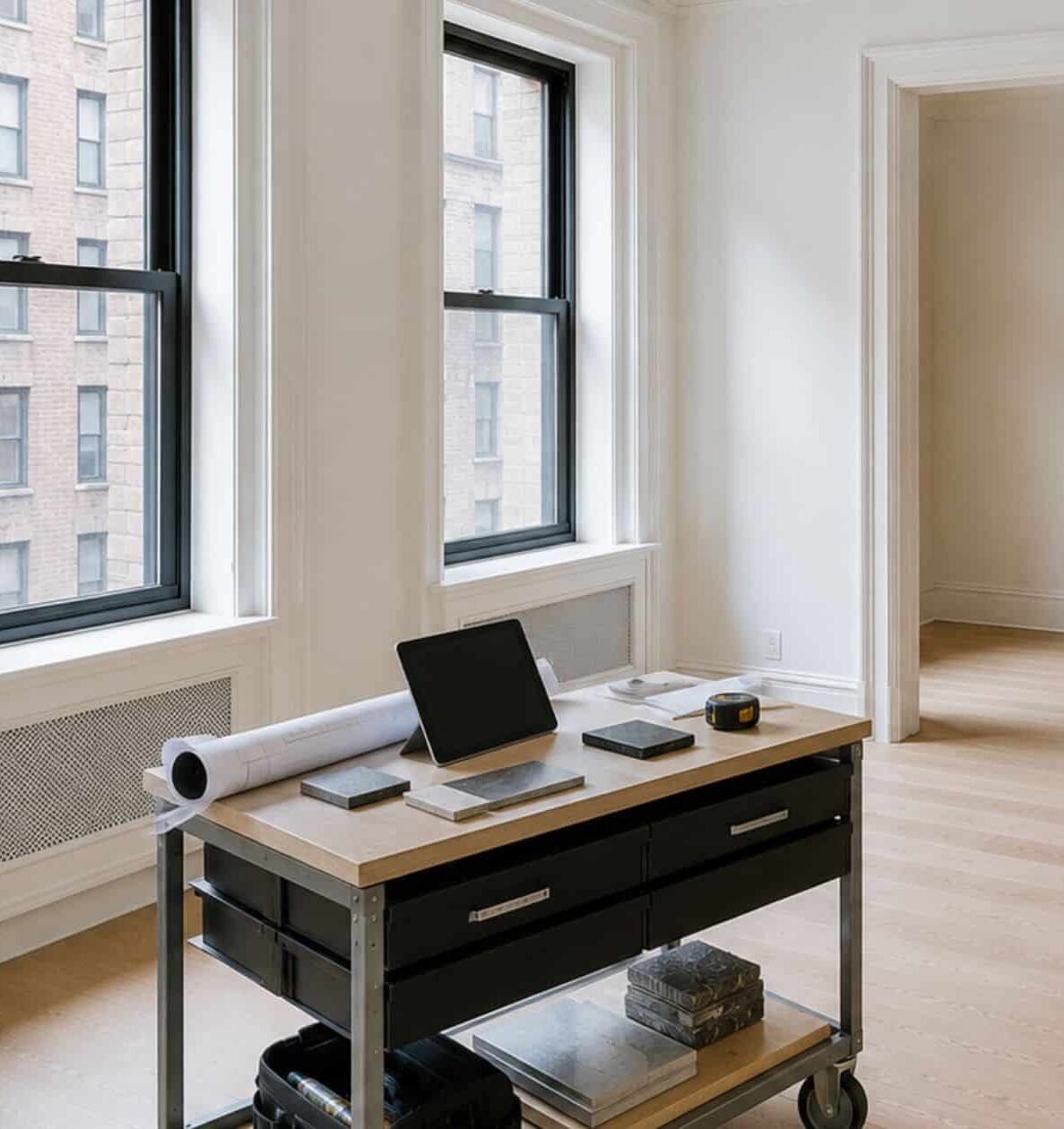
How to Choose a Renovation Company for Your NYC Co-op: The 8 Questions That Separate Great Contractors from Expensive Mistakes
Learn how to choose a co-op renovation company in NYC. 8 critical questions covering board...
What Your Contractor Should Handle So Your Co-op or Condo Board Approves Your NYC Renovation
Learn what your NYC renovation contractor should handle—alteration agreements, insurance, board liaison—so your co-op or...
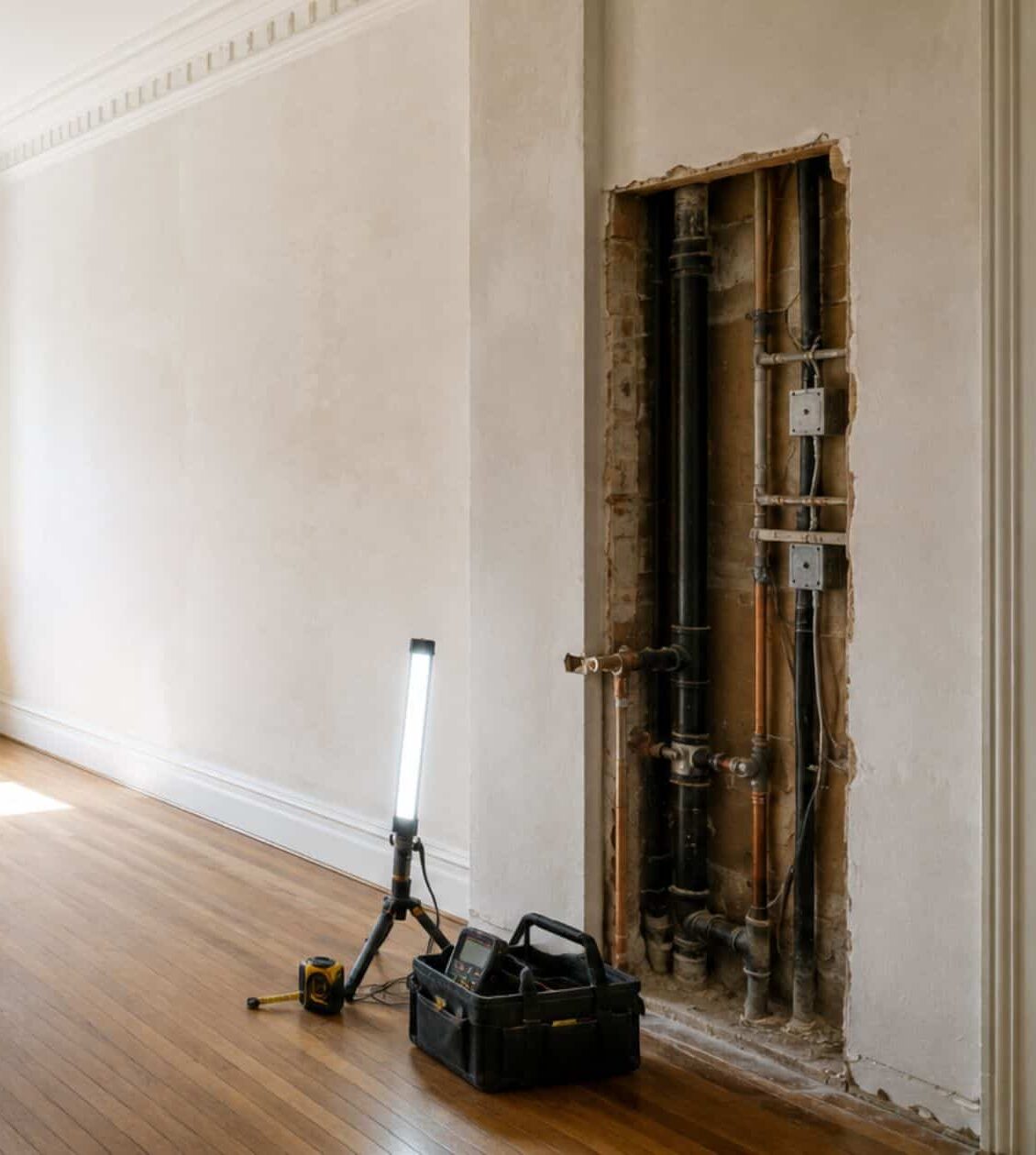
What NYC Co-op Renovations Actually Cost—And How to Avoid Budget Surprises
Learn what NYC co-op renovations cost in 2025. Get real price ranges for kitchens, bathrooms,...