Home Planning & Renovations
NYC Co-op Renovation: How to Get Board Approval Without the Rejection Risk
By Ofek Dahan
NYC co-op board approval is the first hurdle for any apartment renovation—and the one that stops most projects before they start. Unlike condos or single-family homes, co-op shareholders can’t hire a contractor and begin work. Every renovation requires formal board permission before a single cabinet gets removed.
At a glance
- Understand why boards have authority — co-op shareholders own shares in a corporation, not their unit, giving boards broad control over alterations
- Prepare a complete alteration agreement — architectural plans, insurance certificates, scope of work, and indemnification clauses prevent approval delays
- Know the timeline — most boards take 4–8 weeks to review, longer if packages are incomplete or raise structural concerns
- Hire a contractor who owns the process — the right firm handles both building approvals and city permits so you don’t manage dual bureaucracies
- Plan for post-approval requirements — work hours, elevator usage, and common area protection conditions must be followed throughout construction
The approval process intimidates a lot of homeowners. Not because the renovation itself is complicated, but because they’re not sure what the board needs, how long it takes, or what happens if they get rejected.
Here’s what we’ve learned after 25 years of co-op renovations across Manhattan and Brooklyn: we’ve never been turned down by a residential building. That’s not luck. That’s preparation.
For the whole process in one place, see our guide to co-op and condo renovation approvals in NYC: what MyHome handles, which DOB filing applies, and how long approval usually takes.
Why NYC Co-op Board Approval Matters More Than You Think
Short answer: Co-op boards have broad authority over renovations because shareholders own shares in a corporation—not their actual unit. This gives boards significant control over what happens inside individual apartments.
When you buy a condo, you own the physical space. When you buy a co-op, you own shares that entitle you to occupy a specific unit. The board—acting on behalf of all shareholders—has a legitimate interest in protecting the building from renovations that could affect neighboring units or building systems.
Board approval isn’t bureaucratic busywork. It’s how the building ensures your renovation won’t damage plumbing stacks, compromise structural walls, or create problems for your neighbors.
How Co-op Boards Differ from Condo Boards
Condo boards typically focus on common elements and structural changes. Interior cosmetic work often needs minimal approval.
Co-op boards can require approval for almost any alteration—including changes that wouldn’t raise questions in a condo. If you’re renovating a co-op, assume you need board approval. Plan for it from day one.

What’s in a Co-op Alteration Agreement Package
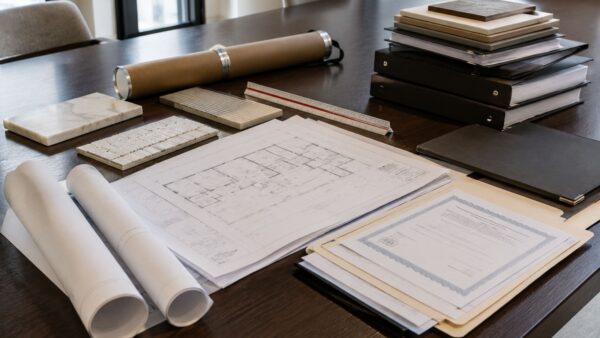
Short answer: An alteration agreement includes architectural plans, contractor insurance certificates, scope of work, proof of house-rule compliance, and indemnification clauses. Incomplete packages are the primary cause of approval delays.
The alteration agreement is your formal request to the board. It tells them what you’re planning, who’s doing the work, and how you’ll protect the building during construction.
Architectural Plans and Scope of Work
Boards want to see exactly what’s changing. That means architectural drawings showing your current layout and the proposed changes, with enough detail for the board to assess structural and plumbing impact.
We coordinate with licensed architects who prepare these plans and pull the necessary city permits. The coordination happens during the design phase—not after you’ve submitted an incomplete package.
Contractor Insurance Certificates
Every co-op requires your contractor to carry general liability insurance and workers’ compensation coverage. Most buildings require general liability minimums of $1–2 million, with the building named as additional insured.[^1]
Missing or inadequate insurance documentation is one of the most common reasons applications get sent back. We handle this paperwork directly with your managing agent.
Neighbor Notification and Work Hours
Most buildings require you to notify adjacent units—above, below, and beside—before construction begins. Some buildings handle notification themselves; others require you to do it.
House rules dictate when work can happen. Many co-ops restrict construction to weekday daytime hours. Your alteration agreement must acknowledge these restrictions, and your contractor must follow them.
Deposit and Indemnification Clauses
Boards require security deposits covering potential damage to common areas—hallways, elevators, lobby floors. They also require indemnification agreements making you and your contractor responsible for any damage during construction.
These aren’t negotiable. A professional contractor accounts for them in the project plan.
What recent MyHome co-op packages contained
Kitchen and bathroom at 303 West 66th Street, a Lincoln Square co-op: the co-op’s list of forms ran to affidavits on flooring and asbestos, on electrical work and on bathtub removal, insurance certificates for MyHome and its electrical subcontractor, licensed-trade filings, a signed alteration agreement and a set of drawings.
Kitchen and bathroom at 66 Overlook Terrace, a Washington Heights co-op: after board approval and before any work, the co-op required the signed alteration agreement, the license number of every contractor, a certificate of insurance for one million dollars naming both the corporation and the managing agent, and copies of every permit.
How Long Does NYC Co-op Board Approval Take?
Short answer: Most boards take 4–8 weeks to review alteration agreements. Complex projects or incomplete packages extend this timeline significantly.
The timeline depends on how complete your package is, how often the board meets, whether your renovation raises structural or plumbing concerns, and how responsive the managing agent is.
What Causes Approval Delays—and How to Avoid Them
The most common delay triggers:
- Missing insurance certificates — Boards won’t review incomplete packages
- Vague scope of work — If the board can’t tell exactly what you’re doing, they’ll ask for clarification
- Plumbing moves without engineering sign-off — Any change to wet areas needs careful documentation
- No neighbor notification plan — Some boards require this before they’ll calendar your review
- Structural changes without engineer approval — Moving walls or combining apartments requires professional assessment
We prepare alteration agreement packages that address typical board concerns before they’re raised. That’s why we’ve never been rejected.
How long approval took on a recent MyHome job
Kitchen and bathroom at 303 West 66th Street, a Lincoln Square co-op: seven and a half weeks from the letter of intent (10 August 2021) to the board’s conditional approval (2 October 2021). MyHome answered the board’s conditions in writing on 22 October.
The Wet-Over-Dry Rule and Other Constraints Boards Care About
Short answer: The wet-over-dry rule requires plumbing fixtures to be located directly above existing plumbing—not over dry living spaces in units below. Violating this rule gets applications rejected fast.
This rule exists because leaks happen. A bathroom above your neighbor’s bedroom creates liability the building won’t accept. Both NYC building code and individual house rules prohibit relocating wet areas over dry spaces below.[^2]
If your renovation involves moving a kitchen or bathroom, the new location must align with the building’s plumbing stack. This constraint shapes what’s possible—and it needs to be resolved during design, not discovered during board review.
When Layout Changes Require Structural Review
Opening a kitchen to a living area, removing walls, or combining apartments—these changes often involve structural walls. Structural modifications require a licensed engineer to assess load-bearing elements and sign off on the proposed changes.
This documentation becomes part of your alteration agreement. Without it, the board rejects the application or sends it back for additional review.
Who Handles the Approval Process—You or Your Contractor?
Short answer: Some contractors expect homeowners to manage board communication. At MyHome, we take full responsibility for both building approvals and city permit filings—you don’t touch either bureaucracy.
This is one of the most important questions to ask when hiring a contractor. The answer reveals how the project will actually run.
What “Full Responsibility” Actually Means
When we say we handle the approval process:
- We prepare the complete alteration agreement package
- We coordinate with your managing agent directly
- We provide insurance certificates and handle documentation
- We respond to board questions and requests for clarification
- We handle all NYC Department of Buildings permit applications and inspections
You attend your board interview if one’s required. Beyond that, you’re not managing paperwork, chasing certificates, or fielding calls from the managing agent.
Our Track Record: Never Rejected by a Residential Building
In 25 years of co-op renovations across Manhattan and Brooklyn, we’ve never been turned down by a residential building.
We can’t guarantee any specific board will approve your project—every building makes its own decisions. But our packages are prepared to the standard that gets approvals, not rejections.

What Happens After Board Approval
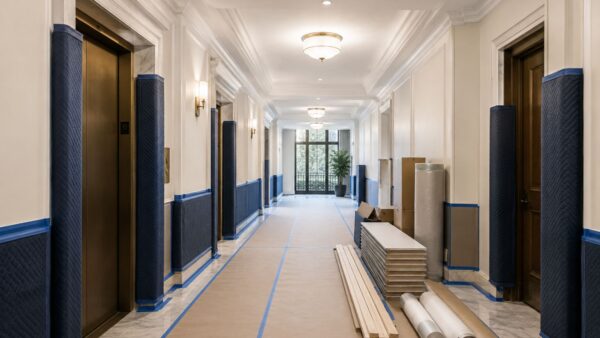
Short answer: Board approval comes with conditions: work hours, elevator usage, common area protection. Violating these conditions during construction creates problems with your building—even after approval.
Getting approval is the beginning, not the end. The conditions attached to your approval must be followed throughout construction.
DOB Permits and City Filings
Board approval is building-level permission. City permits through the NYC Department of Buildings are separate. According to the NYC DOB, most residential alterations—plumbing changes, electrical work, structural modifications—require permits and inspections.[^3]
We handle DOB filings, scheduled inspections, and code compliance documentation. You shouldn’t have to manage dual bureaucracies.
The Three People You’ll Work With
You work with three people across your project: your Renovation Expert during consultation and proposal, your Designer during design, and your Project Manager from kickoff through final inspection.
The Project Manager coordinates with the building, manages trades, and provides regular updates. This isn’t a handoff to strangers—it’s a structured relay where each person knows what the previous phase established.
How Much Does a Co-op Renovation Cost?
Short answer: Labor costs vary by scope. Full renovations typically run $120,000–$150,000; kitchen remodels $30,000–$35,000; bathroom remodels $32,000–$35,000. Final cost depends on finishes, layout changes, and building requirements.
How We Handle Surprises—The Change-Order Protocol
Surprises happen in renovations—especially in pre-war buildings where conditions behind walls aren’t predictable. The question is how those surprises get handled.
Likely extras—permits, riser work, subflooring—are priced in the proposal upfront. If we discover something unexpected mid-project, we stop work, bring you to see the issue, explain exactly what it means and what it costs, and wait for your written approval before proceeding.
We don’t replace first and bill later. That’s what “transparent upfront” actually means.
What to Look for in a Co-op Renovation Contractor
Short answer: Prioritize board approval experience, DOB permit handling, single-contract accountability, written warranty, and a clear communication process.
Questions to Ask Before You Sign
- Have you ever been rejected by a co-op board?
- Who prepares and submits the alteration agreement?
- Do you handle DOB permits, or do I?
- What’s your change-order process when surprises happen?
- What does your warranty cover, and how long does it last?
We offer a 10-year written warranty on our work. For coverage details, visit our warranty page.

Start Your Co-op Renovation with a Free Consultation
Planning a co-op renovation in Manhattan or Brooklyn? The approval process doesn’t have to be a guessing game.
We’ll review your building’s requirements, discuss your renovation goals, and explain exactly how approval works for your specific situation.
Schedule a free consultation and we’ll be in touch within one business day.
Sources
[^1]: NYC Department of Buildings. “Insurance Requirements.” https://www.nyc.gov/site/buildings/homeowner/insurance-requirements.page
[^2]: NYC Department of Buildings. “NYC Plumbing Code.” https://www.nyc.gov/site/buildings/codes/nyc-plumbing-code.page
[^3]: NYC Department of Buildings. “Homeowner Information.” https://www.nyc.gov/site/buildings/homeowner/homeowner.page

Ofek Dahan
Ofek Dahan is the CEO of MyHome Renovation Experts, dedicated to delivering exceptional remodeling experiences through thoughtful design, quality craftsmanship, and transparent communication. He shares insights on renovation planning, industry trends, and creating homes that are both beautiful and functional for modern NYC living.
Related Posts

How to Shortlist Full-Service Firms for a Brooklyn Heights Co-op Renovation Before You Request Quotes
A pre-quote screening method for Brooklyn Heights co-op owners: evaluate renovation firms for relevant experience,...

Who Handles an NYC Apartment Renovation From Design Through Board Approval and Construction?
See what an end-to-end NYC apartment renovation partner should handle—from design and board packages to...

What Happens at a Designer-Guided NYC Renovation Showroom Appointment?
Overwhelmed by tile, stone, cabinets, and fixtures? Learn what to bring to a designer-guided NYC...