Home Inspiration
NYC In-Unit Laundry Installation: Heat Pump Dryers and Board Approval
By Adam Blake
In the hierarchy of New York City apartment amenities, there is a clear “Holy Grail”: in-unit laundry. For decades, Manhattan and Brooklyn residents have settled for communal basement machines or “wash-and-fold” services, but in 2026, the demand for private, high-efficiency laundry suites has reached a fever pitch.
Installing laundry in a NYC co-op or condo is no longer a simple plumbing hookup. It is a sophisticated engineering project that requires balancing NYC plumbing codes, electrical load capacities, and increasingly strict board-approved waterproofing standards.
Can you install in-unit laundry in a NYC apartment?
Yes, in many NYC apartments, in-unit laundry can be installed if the design complies with building rules, plumbing codes, and electrical requirements. Approval from the co-op or condo board is typically required, along with proper waterproofing and drainage planning.

Why Is In-Unit Laundry So Valuable in NYC Apartments?
Why is in-unit laundry the top priority for 2026 renovations? Beyond the sheer convenience of no longer lugging bags to the basement, it is a massive financial lever. In the current Manhattan resale market, an apartment with a legal laundry hookup can command a noticeable resale premium depending on the building, layout, and buyer demand over comparable units without one.
The 2026 trend is moving toward high-efficiency (HE) front-load pairings. These units are designed to fit into the tight “secondary spaces” typical of NYC floor plans, think converted hall closets, secondary bathrooms, or even under-counter kitchen installations.

Ventless Technology: Condenser vs. Heat Pump Dryers
The biggest barrier to NYC laundry has historically been the lack of exterior venting. Standard dryers require a 4-inch duct to the outside to exhaust hot, moist air, a structural impossibility for most pre-war and high-rise buildings.
In 2026, heat pump dryers have become the gold standard for NYC apartments.
| Feature | Standard Vented Dryer | Ventless Heat Pump Dryer (2026 Standard) |
|---|---|---|
| Venting Required | Yes (Exterior Duct) | None (Closed-loop system) |
| Energy Efficiency | Low | Higher energy efficiency compared to traditional vented dryers |
| Installation | Hard (Structural changes) | Easier installation compared to vented systems, depending on building conditions |
| Drying Method | High Heat (Damaging to clothes) | Lower, gentler temperatures |
| Moisture Management | Exhausted outside | Collected as condensation |
Why Heat Pump Dryers are the 2026 Winner
Heat pump dryers utilize a closed-loop refrigerant system to remove moisture from clothes. Instead of venting hot air out, they recycle it, significantly reducing energy use.
- The 120V “Plug-and-Play” Option: Many modern heat pump dryers run on standard 120V circuits, meaning you may not need to run a heavy-duty 240V line to your closet, a major cost saver in older buildings.
- Moisture Control: Because they don’t exhaust air, they reduce the risk of excess moisture compared to traditional vented systems when properly installed, which is a primary concern for co-op boards worried about mold.
What Plumbing and Electrical Requirements Apply to NYC Laundry Installations?
You cannot simply tap into a kitchen sink line and call it a day. The NYC Plumbing Code is incredibly specific regarding laundry.
- Dedicated Drain Lines: Most boards and the city require a dedicated 2-inch drain line to prevent suds from backing up into your neighbor’s sink.
- Backflow Prevention: To protect the building’s clean water supply, backflow preventers are mandatory for all new laundry installations.
- Mandatory GFCI Protection: In 2026, electrical safety is paramount. Any outlet within 6 feet of a water source (like your washer) must have GFCI (Ground Fault Circuit Interrupter) protection to prevent shocks.
- Automatic Shut-off Valves: From MyHome’s experience working on NYC apartment renovations, many boards require electronic leak detection systems that automatically shut off the water supply if they sense a drip.

How Do You Get Board Approval for In-Unit Laundry in NYC?
The board’s biggest fear is a leak. Because laundry rooms are considered “wet zones,” they are subject to strict “wet-over-dry” restrictions, meaning you cannot place a laundry room directly over a neighbor’s bedroom or living room.
The “Secondary Kitchen” Hack
If your apartment was created by combining two units, you likely have “ghost” plumbing from a decommissioned second kitchen. This is a gold mine for laundry. Because that area is already designated as a “wet zone” in the building’s certificates of occupancy, converting it into a laundry suite is often the fastest path to board approval.

Proving the Integrity of the Building Envelope
To secure approval, your MyHome renovation package must include:
- Waterproof Assemblies: We install a “pan” or a fully waterproofed floor membrane with a 2-inch lip to contain any potential spills.
- Soundproofing: Front-load machines can vibrate. We utilize high-density rubber anti-vibration pads to ensure your laundry cycle doesn’t become your neighbor’s headache.
Conclusion: Modernizing Your NYC Lifestyle
Legal in-unit laundry is more than a convenience; it’s a strategic upgrade to your property’s value and your quality of life. By utilizing 2026 heat pump technology and navigating the plumbing codes with expert guidance, you can finally bring the “Holy Grail” of NYC utility into your home.
Ready to install legal laundry in your NYC apartment?
Don’t risk an illegal installation that could lead to fines or water damage. Partner with the experts who understand the 2026 codes and board requirements.
Book Your Free Laundry Feasibility Consultation with MyHome Today

Key Takeaways: Installing In-Unit Laundry in NYC
- In-unit laundry installation requires board approval and compliance with NYC plumbing codes
- Ventless heat pump dryers are commonly used due to limited venting options
- Proper drainage, waterproofing, and electrical setup are critical for approval
- Building restrictions such as wet-over-dry rules can impact placement
NYC In-Unit Laundry Installation FAQs
Q1: Do I need a permit for in-unit laundry in NYC?
Yes. Adding a new plumbing fixture requires an LAA (Limited Alteration Application) or a full ALT-2 permit from the NYC Department of Buildings.
Q2: What is a ventless heat pump dryer?
A heat pump dryer is a ventless unit that uses a closed-loop system to heat air and remove moisture. It is more energy-efficient and easier to install in NYC apartments than traditional vented dryers.
Q3: Why do NYC co-ops ban washers and dryers?
Most bans are due to the age of the building’s plumbing stack. Older 1.5-inch pipes cannot handle the high-volume suds and water discharge of modern machines. However, heat pump dryers and modern HE washers make many boards more open to exceptions.
Q4: What is ‘wet-over-dry’ in laundry design?
It is a building rule that prevents “wet” rooms (laundry, kitchens, baths) from being built directly over “dry” rooms (bedrooms, living rooms) to minimize damage from potential leaks.

Adam Blake
Adam Blake is Design Manager at MyHome Renovation Experts, known for blending smart space planning with timeless design. With hands-on experience guiding homeowners through renovations, he understands how to transform kitchens and living spaces into highly functional, beautifully crafted environments.
Related Posts
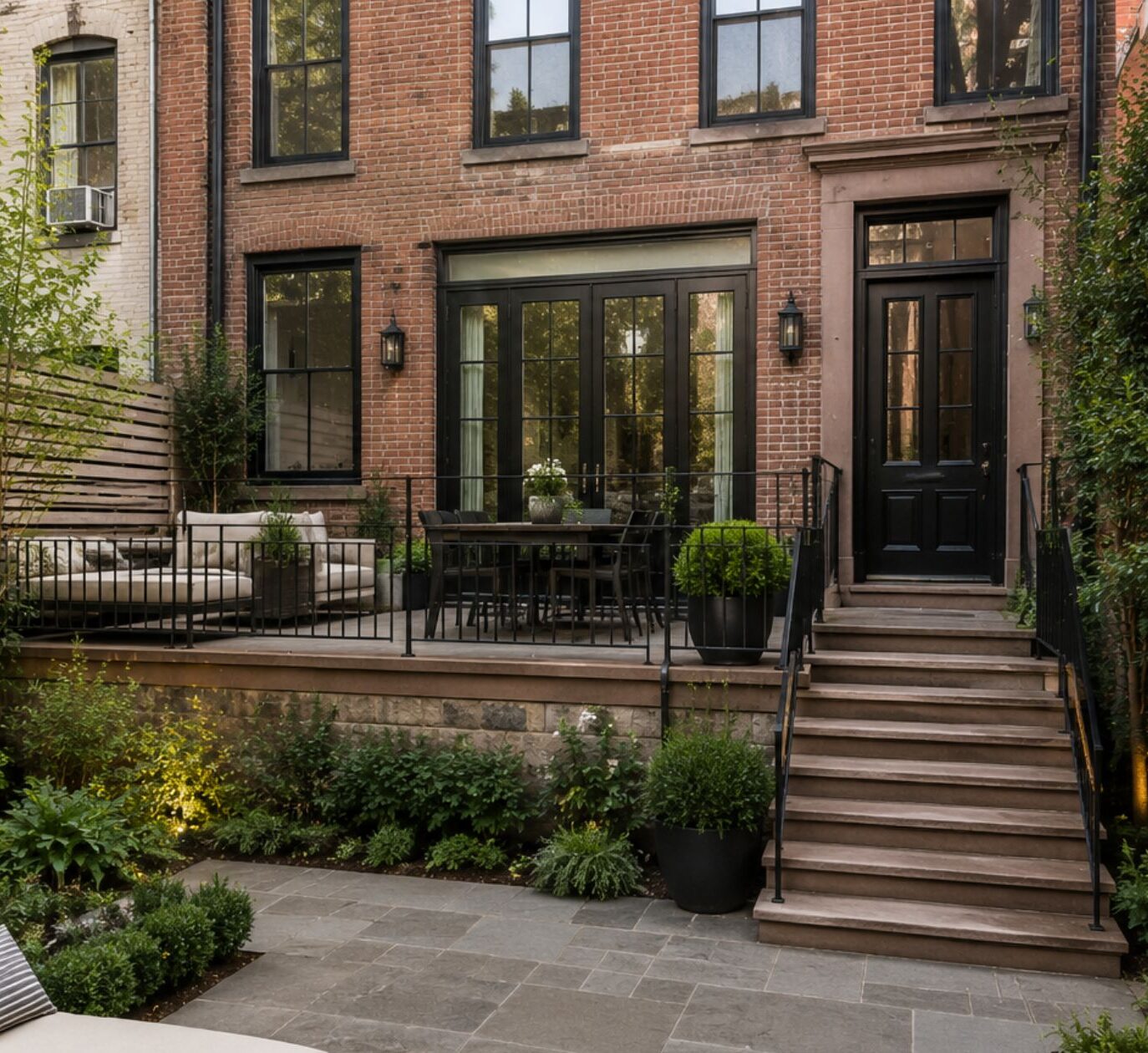
NYC Townhouse Backyard Extensions: Deck Permits & Zoning Laws
NYC Townhouse Backyard Extensions are one of the most effective ways to expand outdoor living...
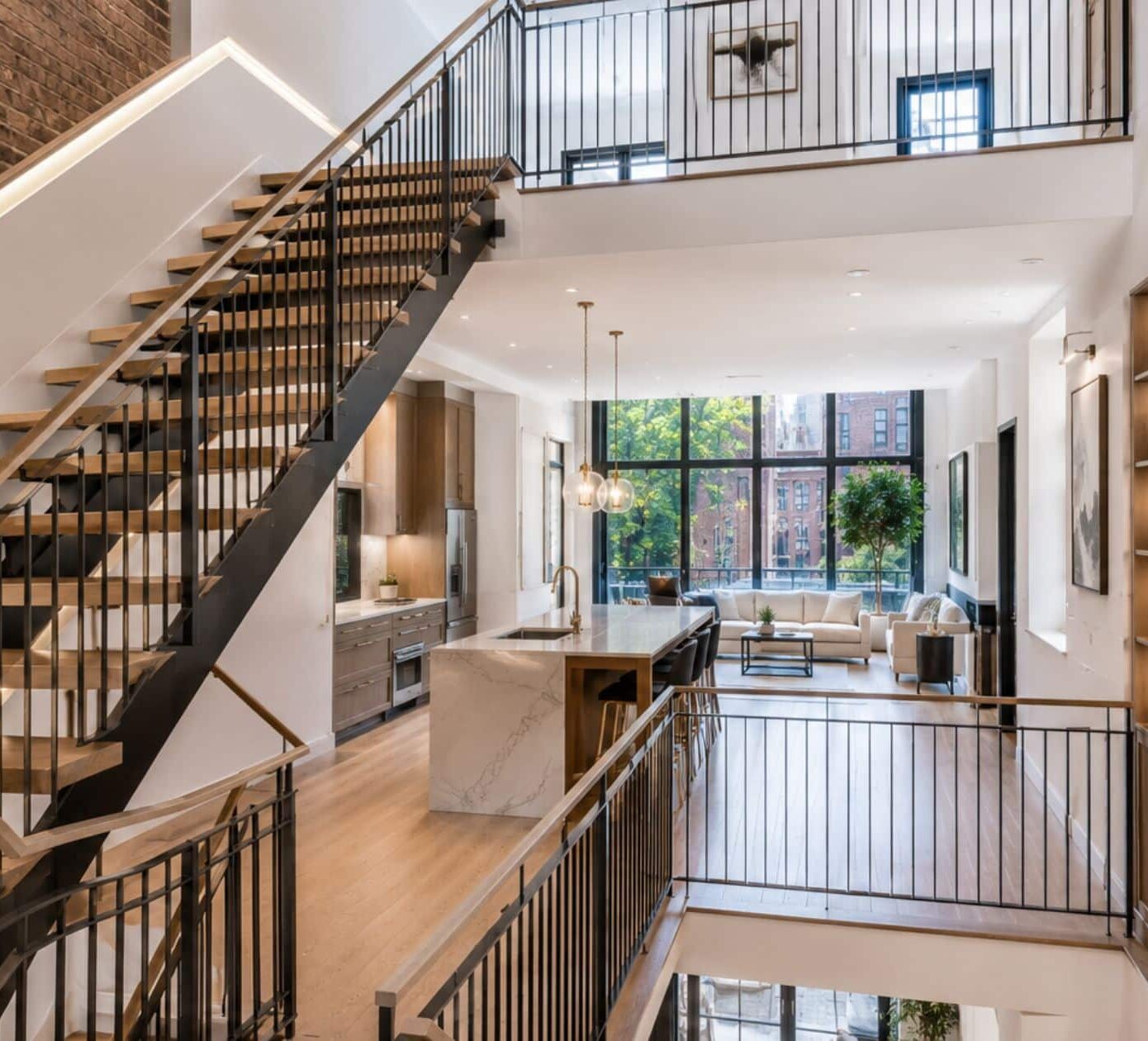
Converting NYC Multi-Family to Single-Family Townhouses: ALT-1 vs. ALT-2
NYC townhouse conversion projects often begin with the vision of transforming a divided brownstone or...
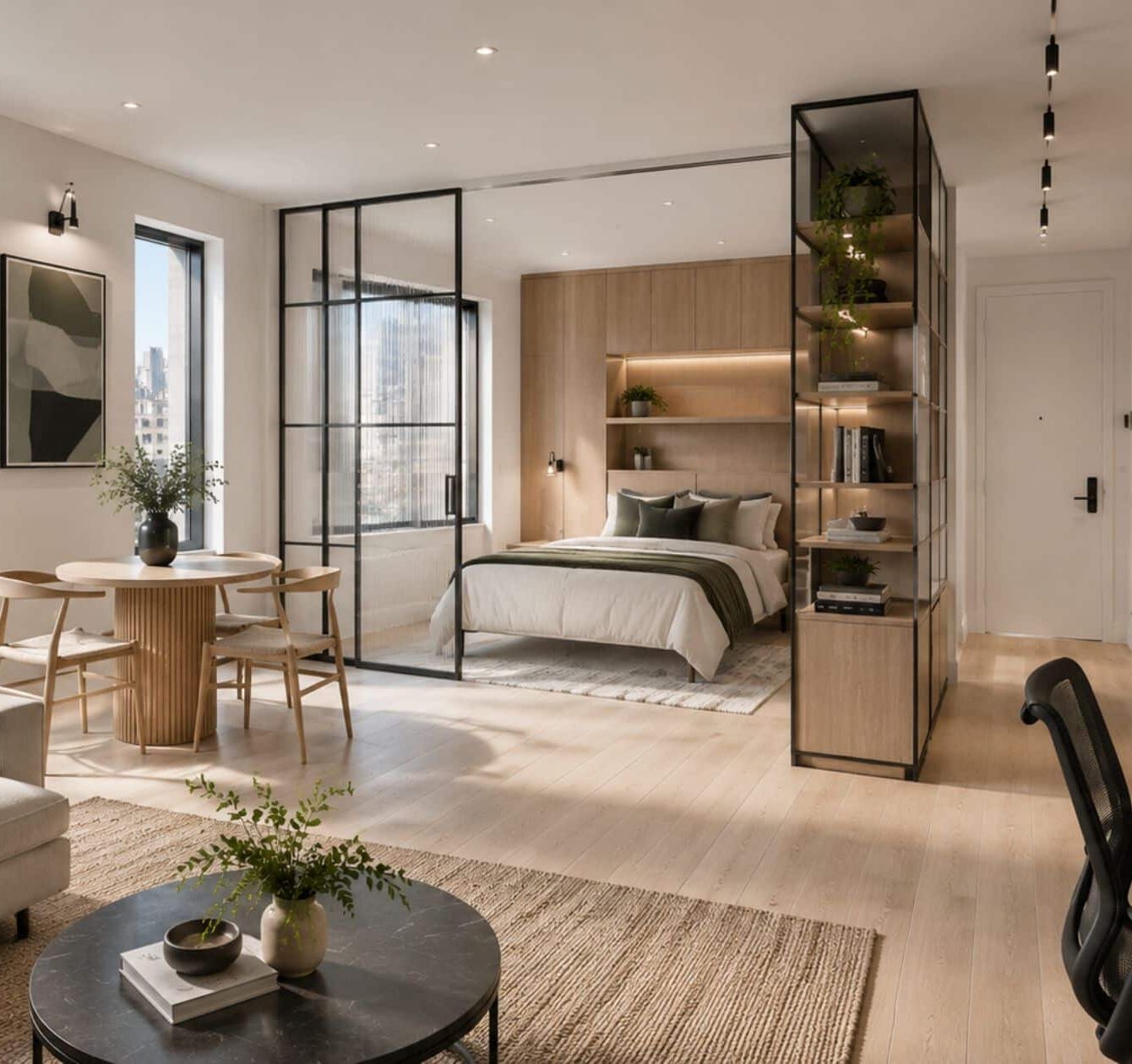
NYC Studio Apartment Renovation: How to Maximize Space with Smart Design
For the modern New Yorker, the studio apartment has officially graduated from a “starter” home...