Home Inspiration
NYC Studio Apartment Renovation: How to Maximize Space with Smart Design
By Adam Blake
For the modern New Yorker, the studio apartment has officially graduated from a “starter” home to a strategic, high-efficiency micro-home. In 2026, the primary driver for studio renovations has shifted: while resale value remains important, homeowners are now prioritizing aesthetics, comfort, and flexible, multi-functional design solutions. We are no longer just sleeping where we eat; we are engineering single footprints to perform like multi-room penthouses.
For homeowners planning a broader NYC apartment remodeling project, the same planning principles – layout, storage, lighting, and approvals – should be considered before design decisions are finalized.
How do you maximize space in a NYC studio apartment?
Maximizing space in a NYC studio involves using multi-functional furniture, vertical storage, and smart layout planning to create separate zones for sleeping, working, and living without adding walls.

How Can You Make a Small NYC Studio Feel Bigger?
The 2026 aesthetic is a move away from rigid, pared-back minimalism toward smart, space-efficient layouts and “Sustainable Luxury”. We are seeing a massive shift toward hybrid layouts that utilize partial walls and glass partitions to create depth without blocking the precious natural light that defines NYC living.
The goal of a 2026 studio optimization is to create multi-zone living. By using subtle visual cues like tonal shifts in the “Restorative Dark” palette (think deep olive or midnight blue) and varying floor textures, a 400-square-foot space can feel like it has a distinct foyer, lounge, and primary suite.
What Is a “Cloffice” and How Does It Work in a Studio Apartment?
The “Cloffice” (closet-office) has evolved from a desperate pandemic workaround into a high-design staple of the 2026 NYC apartment. We have moved beyond “a desk in a cupboard” to sophisticated, hidden sanctuaries.
- Mechatronic Transformation: 2026 designs feature mechatronic bookshelves that slide or rotate to reveal fully equipped workstations. These aren’t just desks; they are “jewel-box” studios with integrated charging stations and concealed cable management.
- Acoustic Mastery: To handle the echo of a thin-walled studio during Zoom calls, 2026 cloffices utilize felt acoustic panels or rich, acoustic cork wall coverings that add both warmth and professional soundproofing.
- Integrated Lighting: Gone are the days of harsh desk lamps. The modern cloffice uses Circadian Lighting, smart LED systems that mimic the sun’s natural cycle to maintain your focus and wellbeing in a windowless nook.

How Do You Design a Functional Kitchen in a NYC Studio?
In a studio, the kitchen is often the visual anchor. The 2026 solution is the “Invisible Kitchenette“. By utilizing FENIX materials, an ultra-matte, anti-fingerprint surface that can help reduce the appearance of minor surface scratches with proper care, the kitchenette “disappears” into the architecture.
- Verticality is Vital: We utilize full-height upper cabinetry to capture every inch of vertical square footage.
- Integrated Micro-Appliances: Modern studio kitchens often include 24-inch dishwashers, slim refrigerators, and induction cooktops with smart features, all concealed behind panel-front cabinetry for a seamless look.
- The Monolithic Wall: We often design a single, uniform wall of cabinetry, a monolithic wall, that consolidates the kitchen, storage, and even a hidden pantry into a composed, uncluttered whole.

How Do You Create Separate Zones in a Studio Without Building Walls?
Building real walls in a studio is a spatial sin. Instead, MyHome experts use “Zoning, Not Monotone” techniques to define space.
- Glass Partitions: Crittall-style glass walls or fluted glass screens provide a physical boundary for a sleeping nook while allowing light to flow through the entire apartment.
- Built-in Shelving dividers: Open, floor-to-ceiling shelving units serve as semi-transparent partitions that store your curated decor while acting as a visual anchor for the lounge zone.
- Rugs and Floor Cues: A large, textured rug can ground a seating area, while a different shape or material under a dining set marks that zone separately.

How MyHome Renovation Experts Can Help
From MyHome’s experience working on NYC studio renovations, successful layouts depend on precise planning, custom storage, and careful coordination of lighting, electrical, and space usage. Our 2026 Studio Blueprint is built on millimeter precision. We understand that in a micro-home, a three-inch error is the difference between a “Cloffice” and a closet.
We handle the Heavy Lifting of studio mastery:
- Custom Millwork: Engineering the mechatronic bookshelves and “monolithic” storage walls that make your home move.
- Smart Integration: Managing the electrical requirements for hidden micro-kitchenettes and circadian lighting systems.
- Board Approval: We navigate the “wet-over-dry” rules when moving micro-kitchenettes to ensure your optimization is 100% legal.
A studio apartment doesn’t have to feel small. By embracing multi-zone living and invisible utility, you can turn a cramped space into a high-performance sanctuary that reflects the “Quiet Luxury” of 2026.
Schedule Your Free Studio Optimization Consultation with MyHome Today
Key Takeaways: NYC Studio Apartment Renovation
- Smart layouts can create separate living, sleeping, and work zones without adding walls
- Vertical storage and custom millwork maximize limited space
- Hidden or integrated kitchens help reduce visual clutter
- Lighting and material choices play a major role in making small spaces feel larger

NYC Studio Apartment Renovation FAQs
Q1: What is a ‘Cloffice’?
A cloffice is a “closet-office”—a dedicated workspace created by converting a reach-in or walk-in closet into a high-performance, hidden office.
Q2: How do you prevent heat buildup in a closed closet office?
In 2026, we utilize active ventilation strategies, including quiet, low-profile USB-powered fans and louvered doors that allow for passive air exchange even when the cloffice is closed.
Q3: What is the best way to separate a bed in a studio without walls?
We recommend using glass partitions or open shelving units as semi-partitions. These act as visual anchors without blocking natural light or making the room feel fragmented.
Q4: What is mechatronic adaptability in furniture?
It refers to furniture that uses integrated technology—such as sensors or motorized components—to transform or adapt its shape and function, such as bookshelves that slide to reveal a desk.

Adam Blake
Adam Blake is Design Manager at MyHome Renovation Experts, known for blending smart space planning with timeless design. With hands-on experience guiding homeowners through renovations, he understands how to transform kitchens and living spaces into highly functional, beautifully crafted environments.
Related Posts
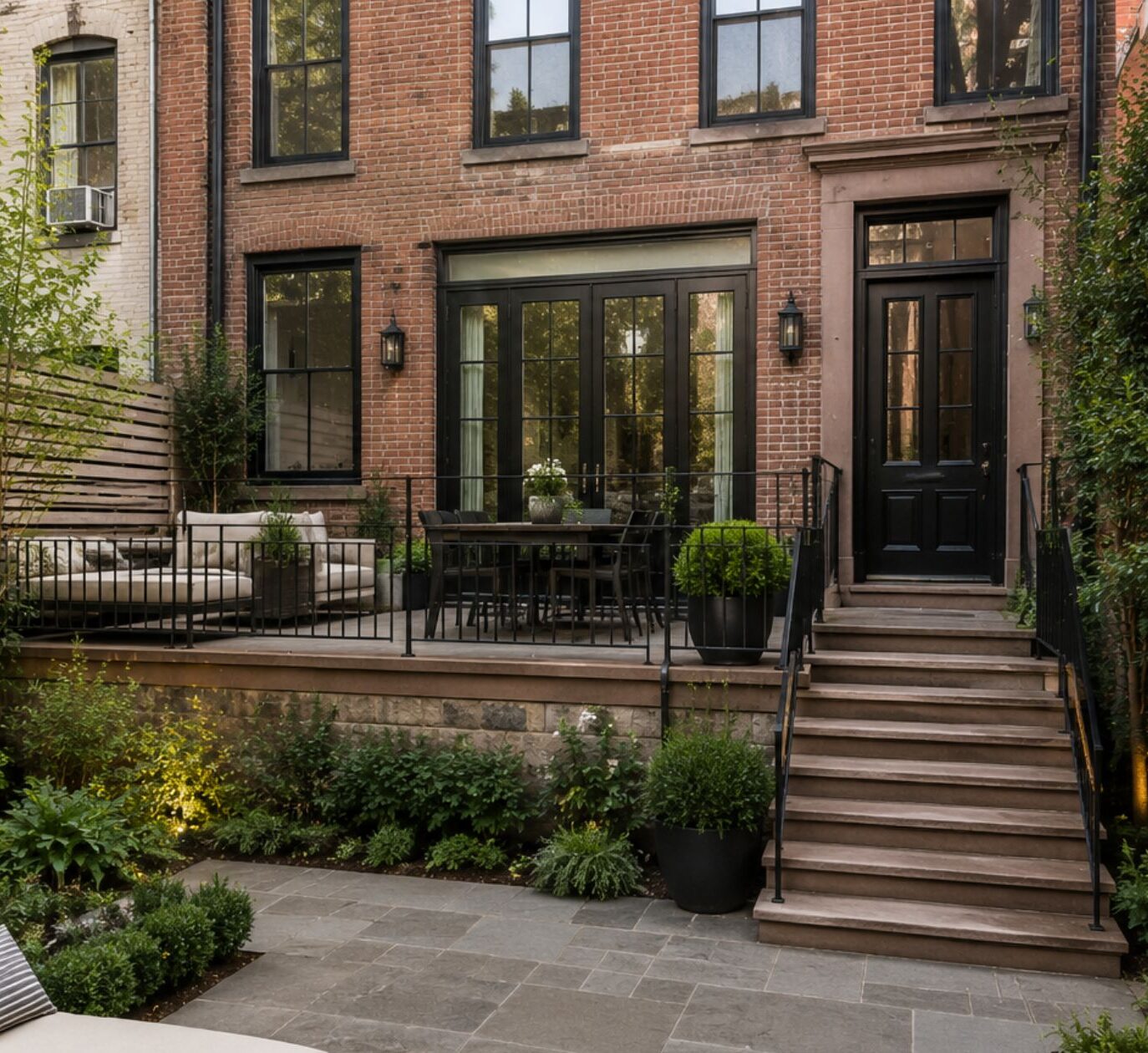
NYC Townhouse Backyard Extensions: Deck Permits & Zoning Laws
NYC Townhouse Backyard Extensions are one of the most effective ways to expand outdoor living...
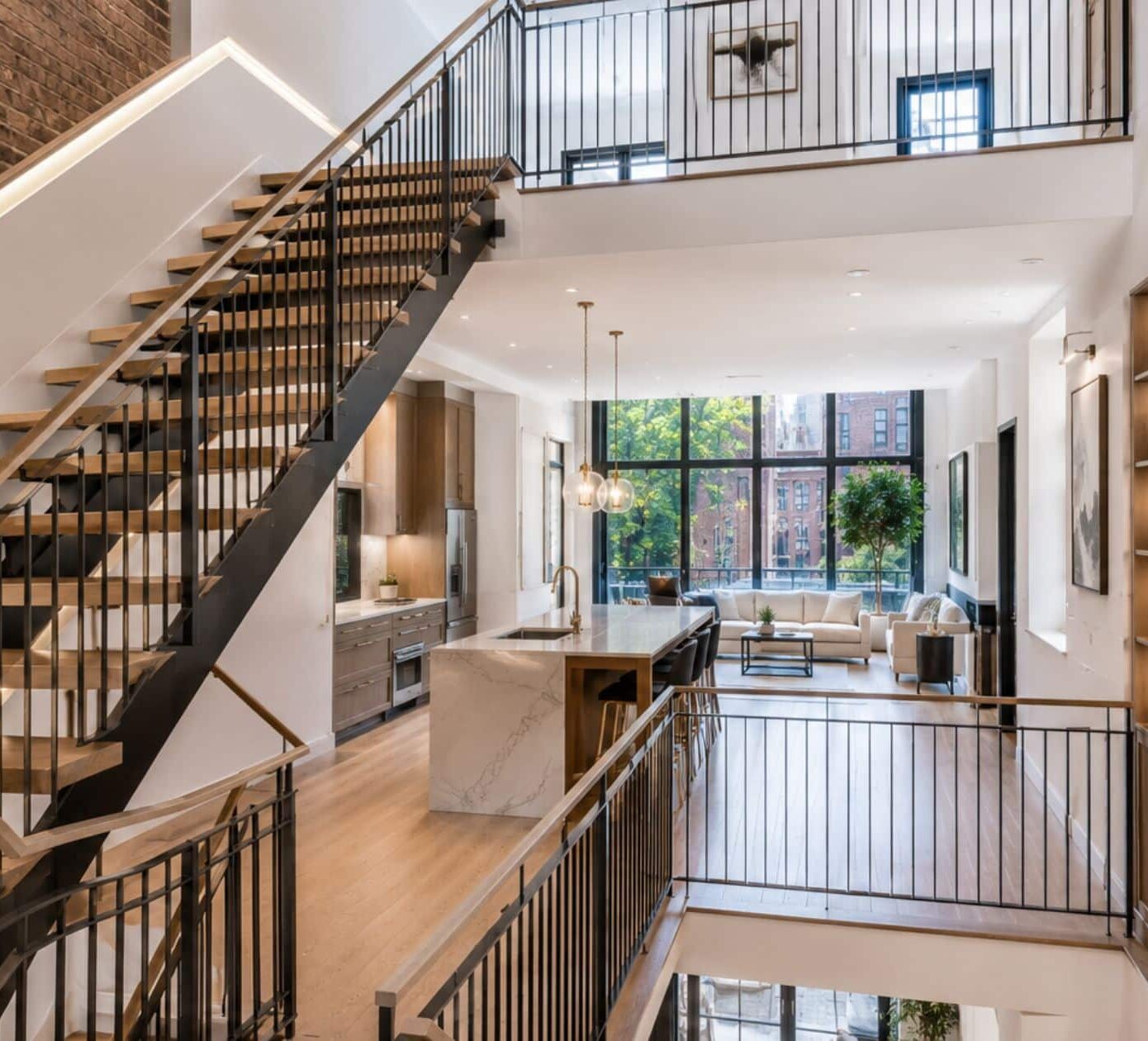
Converting NYC Multi-Family to Single-Family Townhouses: ALT-1 vs. ALT-2
NYC townhouse conversion projects often begin with the vision of transforming a divided brownstone or...
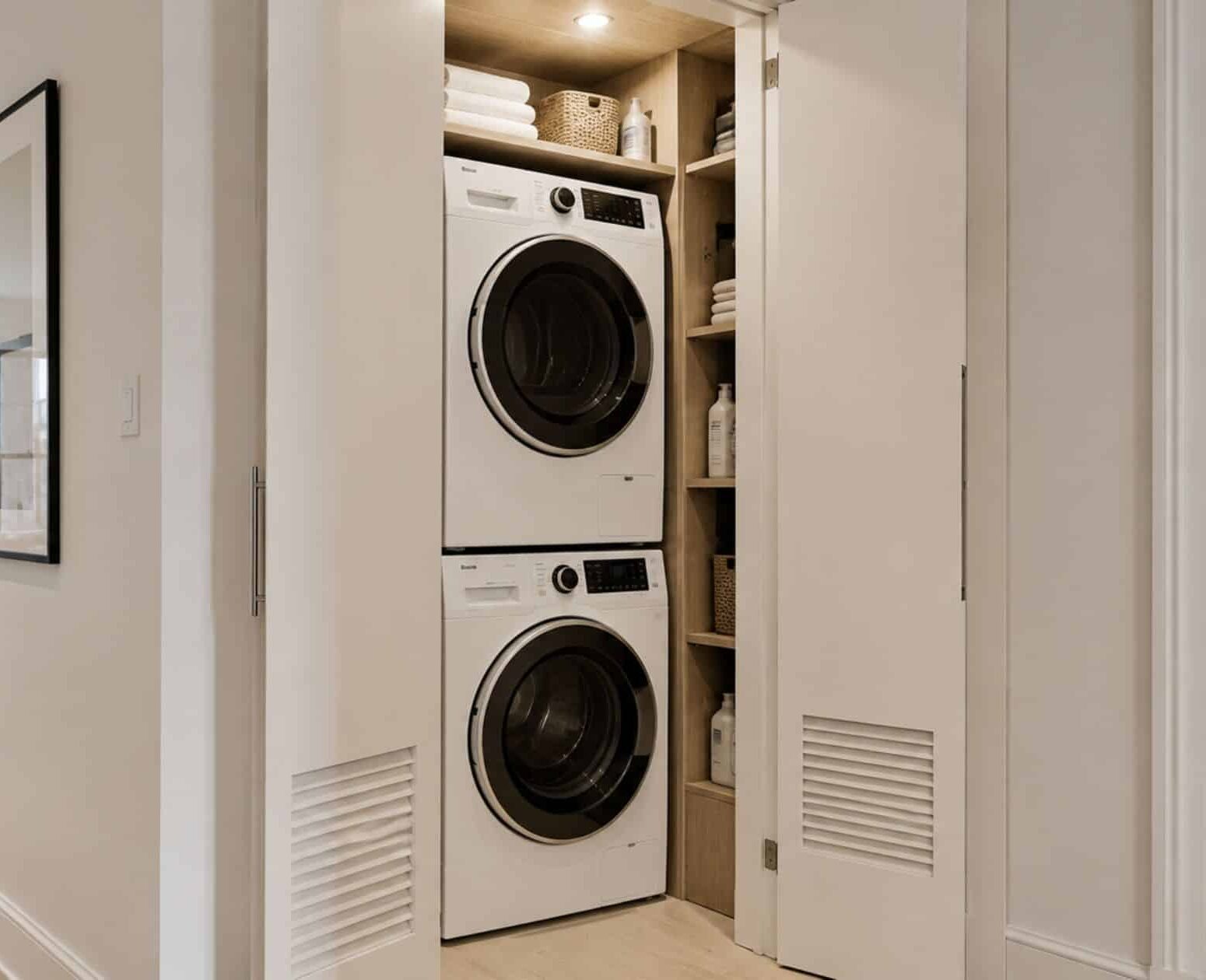
NYC In-Unit Laundry Installation: Heat Pump Dryers and Board Approval
In the hierarchy of New York City apartment amenities, there is a clear “Holy Grail”:...