Home Planning & Renovations
How to Hire an NYC Apartment Renovation Contractor Who Won’t Get Rejected by Your Board
By Ofek Dahan
Choosing an NYC apartment renovation contractor is about more than design taste and pricing — it’s about finding a firm that can actually get your project approved and started. In Manhattan and Brooklyn co-ops and condos, board approval is the first gate your renovation must pass. A contractor who fumbles the alteration agreement or submits incomplete documentation can delay your project by months before a single wall comes down.
This guide explains what experienced contractors do differently, the questions you should ask before signing, and the red flags that signal a firm will struggle with your building’s approval process.
At a glance
- Ask about rejection history — a contractor with zero board rejections has earned that track record through experience and process discipline.
- Confirm who handles the alteration agreement — full-service means the contractor prepares, submits, and manages board communication, not you.
- Look for DOB and board filing coordination — experienced contractors file permits in parallel so boards see complete, permit-ready packages.
- Verify NYC co-op and condo experience — townhouse or new-construction work doesn’t translate to board-managed buildings.
- Expect structured communication — weekly written updates and a dedicated project manager signal accountability.
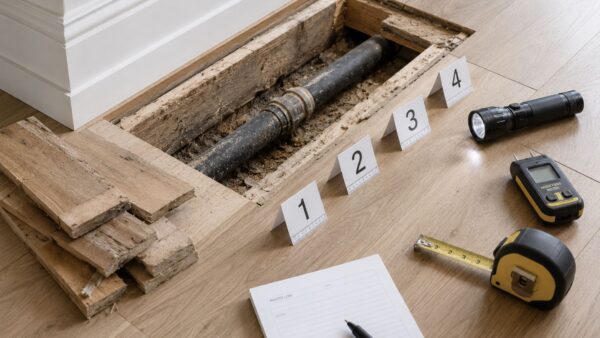

Why Board Approval Is the First Test of Your NYC Apartment Renovation Contractor
Short answer: Board approval determines whether your renovation starts on time or stalls indefinitely. The contractor’s ability to navigate this process is a leading indicator of their experience with NYC residential buildings.
Most apartment renovations in NYC require an alteration agreement — a formal approval from your co-op or condo board before any work can begin. The process involves architectural drawings, contractor insurance documentation, scope-of-work descriptions, and sometimes construction schedules and deposit checks. If anything is missing, formatted incorrectly, or doesn’t meet your building’s specific requirements, the board will reject the package.
This is where your contractor’s experience matters most. A firm that has completed dozens of co-op and condo renovations knows what boards look for. A firm with primarily new-construction or townhouse experience may not.
Co-ops vs. Condos — Different Boards, Different Requirements
Co-op boards typically have more discretion than condo boards. They can reject renovation plans for reasons that go beyond code compliance — including aesthetic concerns, noise impact, or simply not liking the scope. Condo boards tend to have less latitude, but they still require complete documentation and often involve a reviewing architect who must sign off on your plans.
Experienced contractors know how to tailor alteration packages for each type of building. They understand which boards require additional documentation, which managing agents are particularly thorough, and how to preempt objections before they become rejections.
What Happens When a Board Rejects Your Renovation Plan
A rejected alteration agreement doesn’t just mean a delay — it can cascade into larger problems. You may lose your contractor’s spot in their production schedule. You may need to revise architectural drawings at additional cost. Repeated rejections can sour your relationship with the board before construction even begins.
The goal is to get approved the first time. That requires a contractor who treats board approval as a core competency, not an afterthought.
What Experienced Contractors Do Differently
Short answer: They take full responsibility for the entire approval process — alteration agreements, DOB filings, and building-management coordination — so you don’t become the project manager between your board and your contractor.
The difference between an experienced firm and a less experienced one often shows up before construction starts.
They Take Full Responsibility for Alteration Agreements
A full-service contractor should prepare, submit, and shepherd your alteration agreement through the board. This includes coordinating insurance certificates (with your building named as additional insured), completing contractor questionnaires, and compiling all required drawings and scope documents into a package that meets your board’s standards.
You should not be the one calling the managing agent to check on status. You should not be the one figuring out which insurance endorsements your building requires. That’s the contractor’s job.
They Coordinate DOB Filings Before Board Submission
Experienced contractors often prepare Department of Buildings filings in parallel with board submissions. This means the board sees a complete, permit-ready package — not a work-in-progress that will require resubmission once permits are obtained.
This parallel sequencing can save weeks or months. It signals to the board that the contractor knows what they’re doing.
They Know Your Building’s Managing Agent and Reviewing Architect
Repeat experience in NYC buildings creates relationships. A contractor who has worked with your managing agent before knows their review timeline and documentation preferences. A contractor who has submitted to the same reviewing architect multiple times understands what will trigger additional questions.
These relationships don’t guarantee approval, but they smooth the process and reduce the likelihood of surprise objections.

7 Questions to Ask Before Hiring an NYC Apartment Renovation Contractor
Short answer: These questions surface whether a contractor has real co-op and condo experience — and whether they’ll own the approval process or leave it to you.
1. How Many Residential Buildings Have Rejected Your Renovation Packages?
This is the key question. A contractor with a track record of zero rejections has earned that history through experience and process discipline. They know what boards want because they’ve submitted hundreds of packages.
No ethical contractor can guarantee your specific board will approve your specific project. But a track record matters. Ask for it.
2. Who Handles the Alteration Agreement — You or Me?
The answer should be “us.” If the contractor expects you to manage the alteration agreement submission, chase down insurance certificates, or coordinate with the managing agent, that’s a red flag. You’re hiring them to handle this.
3. What’s Your Process for DOB Permits and Building Approvals?
Look for sequencing clarity. Do they file DOB permits in parallel with board submission? Do they coordinate with an architect to ensure drawings are permit-ready before the board sees them? A vague answer here suggests the contractor hasn’t thought through the process.
4. Have You Worked in My Building Before?
Prior experience in your specific building is a plus but not required. What matters more is whether the contractor has worked with your building’s managing agent or reviewing architect. Familiarity with their preferences reduces friction.
5. What Happens If Something Unexpected Comes Up Mid-Project?
This question surfaces the contractor’s change-order protocol. The best answer: “We stop, bring you to see what we found, explain why it matters and what it costs, and don’t proceed until you’ve approved the change in writing.”
If the answer is vague or dismissive — “we’ll handle it” — that’s a warning sign.
6. What Warranty Do You Offer?
A written warranty signals long-term accountability. Look for at least 5 years; a 10-year warranty is a strong signal that the contractor stands behind their work. Ask what’s covered before you sign.
7. Who Will I Talk to Day-to-Day During Construction?
Clarify the delivery structure. You should know whether you’re talking to a dedicated project manager, a designer, or a rotating cast of people. Consistent communication reduces confusion and ensures accountability.
Red Flags That Signal a Contractor Will Struggle With Your Board
Short answer: If a contractor expects you to submit paperwork, can’t name buildings where they’ve completed co-op or condo renovations, or quotes a timeline that ignores board review, walk away.
They Expect You to Submit the Alteration Agreement Yourself
A contractor who hands you a set of drawings and says “good luck with the board” is not a full-service firm. The alteration agreement process is a core part of NYC renovation — if they’re not handling it, they’re not equipped for this market.
They Can’t Name a Single Building Where They’ve Completed a Co-op or Condo Renovation
NYC experience isn’t fungible. Townhouse or new-construction experience doesn’t translate to board-managed buildings. Ask for specific examples — building names, neighborhoods, project types. If they can’t provide them, they’re learning on your project.
They Quote a Timeline Without Accounting for Board Approval
If a proposal says “4 months” but doesn’t include board review time, the timeline is fiction. Co-op boards typically require 4–8 weeks for alteration agreement approval, while condo boards often move faster at 2–4 weeks. Experienced contractors build approval time into their estimates from the start.
What “Full-Service” Should Actually Mean for Board Approvals
Short answer: You should never talk to your board about permits or insurance, never file anything with the DOB yourself, and never have to ask for updates.
You Should Never Talk to Your Board About Permits or Insurance
The contractor should handle all board-facing communication related to the renovation. Insurance certificates, contractor questionnaires, scope clarifications — all of it.
You Should Never File Anything With the DOB Yourself
Permit filings, inspection scheduling, and sign-offs should all be contractor-managed. If you’re being asked to pull permits or coordinate inspections, you’re doing the contractor’s job.
You Should Receive Weekly Written Updates Without Asking
Transparency isn’t a personality trait — it’s a process. Look for evidence of structured communication: weekly reports, documented change orders, and a clear point of contact for questions.


How MyHome Handles Board Approvals for Manhattan and Brooklyn Renovations
Short answer: MyHome takes full responsibility for both building approvals and DOB filings. In 25 years of NYC renovations, we’ve never been rejected by a residential co-op or condo building.
At MyHome, board approval is not an afterthought — it’s a core part of how we work. We prepare and submit your alteration agreement, coordinate all insurance documentation, and manage communication with your building’s managing agent and reviewing architect. You don’t talk to the board about your renovation; we do.
Our delivery process is structured around clarity: you’ll work with a Renovation Expert during planning, a Designer during design development, and a dedicated Project Manager once construction begins. You always know who to call.
We also back our work with a 10-year written warranty — because accountability doesn’t end at the final walkthrough.
If you’re evaluating contractors for a Manhattan or Brooklyn renovation, we’re happy to walk through your project scope and your building’s specific approval realities. We’ll be candid about whether we’re the right fit.
Schedule a free consultation to talk through your project with our team.
Recent MyHome board approvals, step by step
Kitchen at 353 4th Avenue, Park Slope: seven weeks from the first email on 12 January 2022 to approval on 2 March 2022. MyHome answered each of the building’s conditions in the managing agent’s own wording, confirming that the branch piping would be replaced, an LAA and an electrical permit would be filed, there would be no increase in electrical load, and a section of floor would be lifted at demolition to check the waterproofing.
Kitchen and two bathrooms at 230 East 79th Street, Upper East Side: the plans went through two building review sets before an amended general contractor plan was approved on 22 July 2024. The materials for all three rooms had already been specified by 30 January 2024.
Frequently Asked Questions
How long does co-op board approval take for a renovation in NYC?
Typically 4–8 weeks for a co-op; condos are often faster at 2–4 weeks. Experienced contractors build this into the timeline upfront.
What documents does my contractor need to submit for a co-op alteration agreement?
Typically: architectural drawings, scope of work, contractor insurance certificates (with the building named as additional insured), contractor questionnaire, and sometimes a construction schedule and deposit check. Learn more about what your contractor should handle for co-op or condo board approval.
What happens if my contractor submits a bad package and the board rejects it?
You lose weeks or months to resubmission. Read more about how to get your NYC co-op board to approve your renovation the first time.
Can I handle the alteration agreement myself to save money?
Technically yes, but it’s rarely worth it. The process involves coordinating insurance, architectural drawings, and contractor documentation — if anything is missing, the board will reject it. Learn more about alteration agreements and what they involve.
Sources
- MyHome Renovation Experts — NYC Co-op and Condo Board Approval Process: https://www.myhomeus.com/blog/nyc-coop-condo-board-approval-process/
- MyHome Renovation Experts — What Your Contractor Should Handle for Co-op or Condo Board Approval: https://www.myhomeus.com/blog/contractor-responsibilities-coop-condo-board-approval-nyc/
- MyHome Renovation Experts — How to Get Your NYC Co-op Board to Approve Your Renovation: https://www.myhomeus.com/blog/nyc-co-op-board-approval-renovation-guide/
- MyHome Renovation Experts — What Is an Alteration Agreement: https://www.myhomeus.com/blog/alteration-agreement-nyc-co-op-condo/
- MyHome Renovation Experts — Renovation Warranty: https://www.myhomeus.com/warranty/

Ofek Dahan
Ofek Dahan is the CEO of MyHome Renovation Experts, dedicated to delivering exceptional remodeling experiences through thoughtful design, quality craftsmanship, and transparent communication. He shares insights on renovation planning, industry trends, and creating homes that are both beautiful and functional for modern NYC living.
Related Posts

How to Shortlist Full-Service Firms for a Brooklyn Heights Co-op Renovation Before You Request Quotes
A pre-quote screening method for Brooklyn Heights co-op owners: evaluate renovation firms for relevant experience,...

Who Handles an NYC Apartment Renovation From Design Through Board Approval and Construction?
See what an end-to-end NYC apartment renovation partner should handle—from design and board packages to...

What Happens at a Designer-Guided NYC Renovation Showroom Appointment?
Overwhelmed by tile, stone, cabinets, and fixtures? Learn what to bring to a designer-guided NYC...