Home Inspiration
8 Creative Small Kitchen Design Ideas to Maximize Your NYC Space
By Adam Blake
Ah, New York City living: big on style, small on space. Whether you live in a loft in SOHO or an apartment in the East Village, cramped kitchens are the norm in NYC. But a small kitchen doesn’t mean you have to compromise on function or kitchen style. With smart design choices, you can maximize space, create efficient workflows, and make your kitchen feel larger and more inviting.
Here are 8 creative small kitchen design ideas to help you live large in the tiniest of kitchens.
1. Declutter to Maximize Counter Space and Efficiency
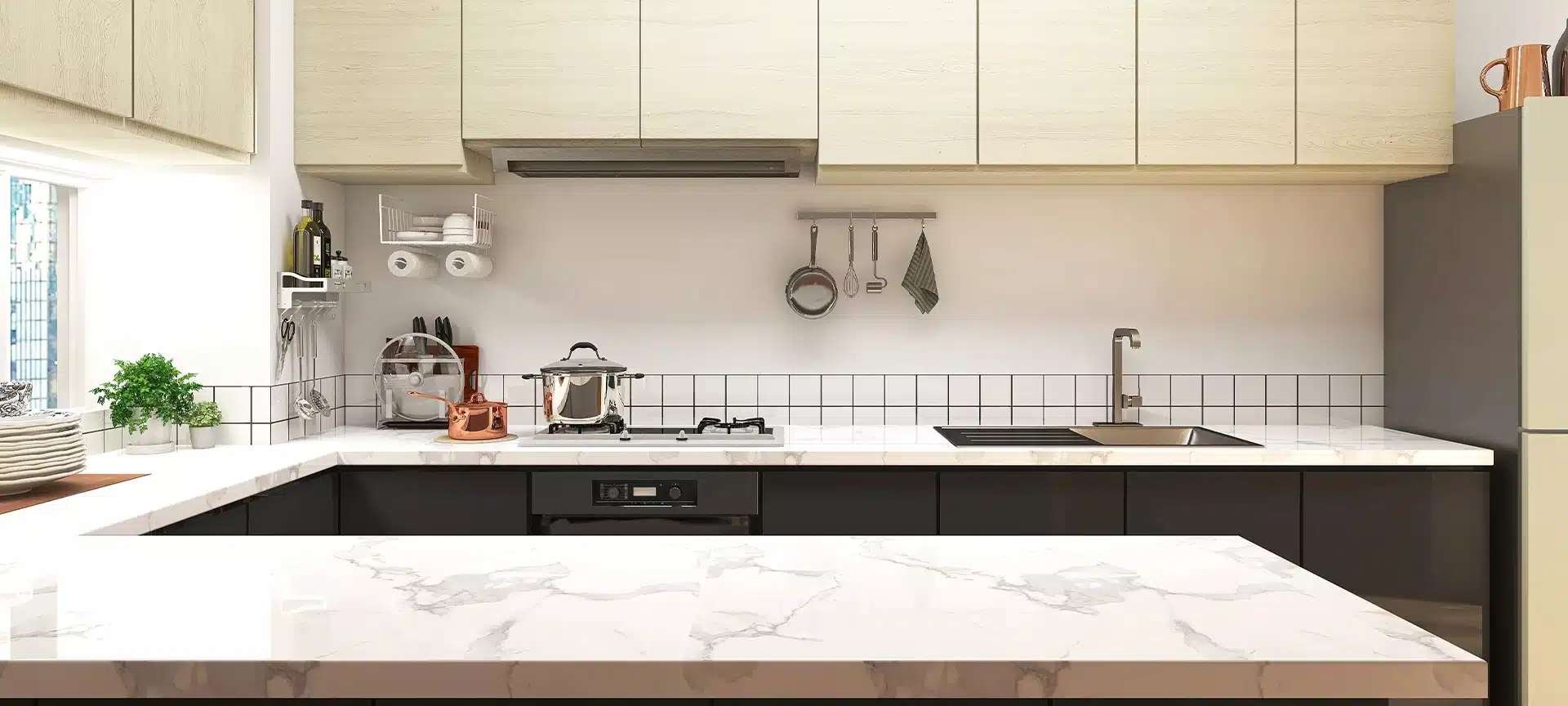
In a small kitchen, clutter can quickly overwhelm the space—especially on counters, which are a key area that can become cluttered and reduce your available workspace. Start by clearing off countertops and removing seldom-used appliances, utensils, and gadgets. Keep only the essentials within easy reach to create a clean, open feel.
Organize your kitchen storage by ruthlessly editing what you keep and hiding away items you don’t use daily. Focus on keeping only the most-used items on counters for efficiency. This will not only maximize counter space but also improve your kitchen’s overall efficiency by reducing distractions and making it easier to cook and clean.
2. Open Up with Shelving and Glass-Front Cabinets
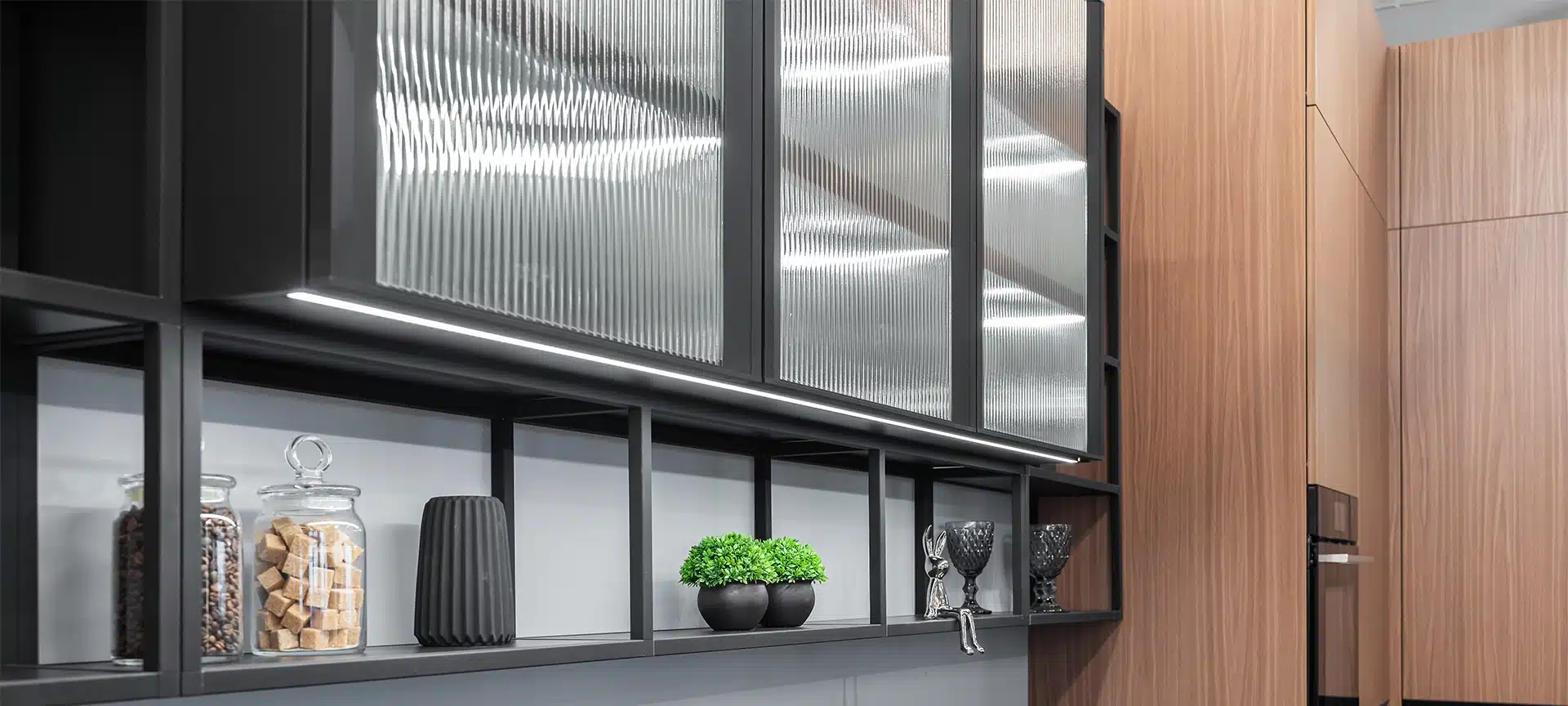
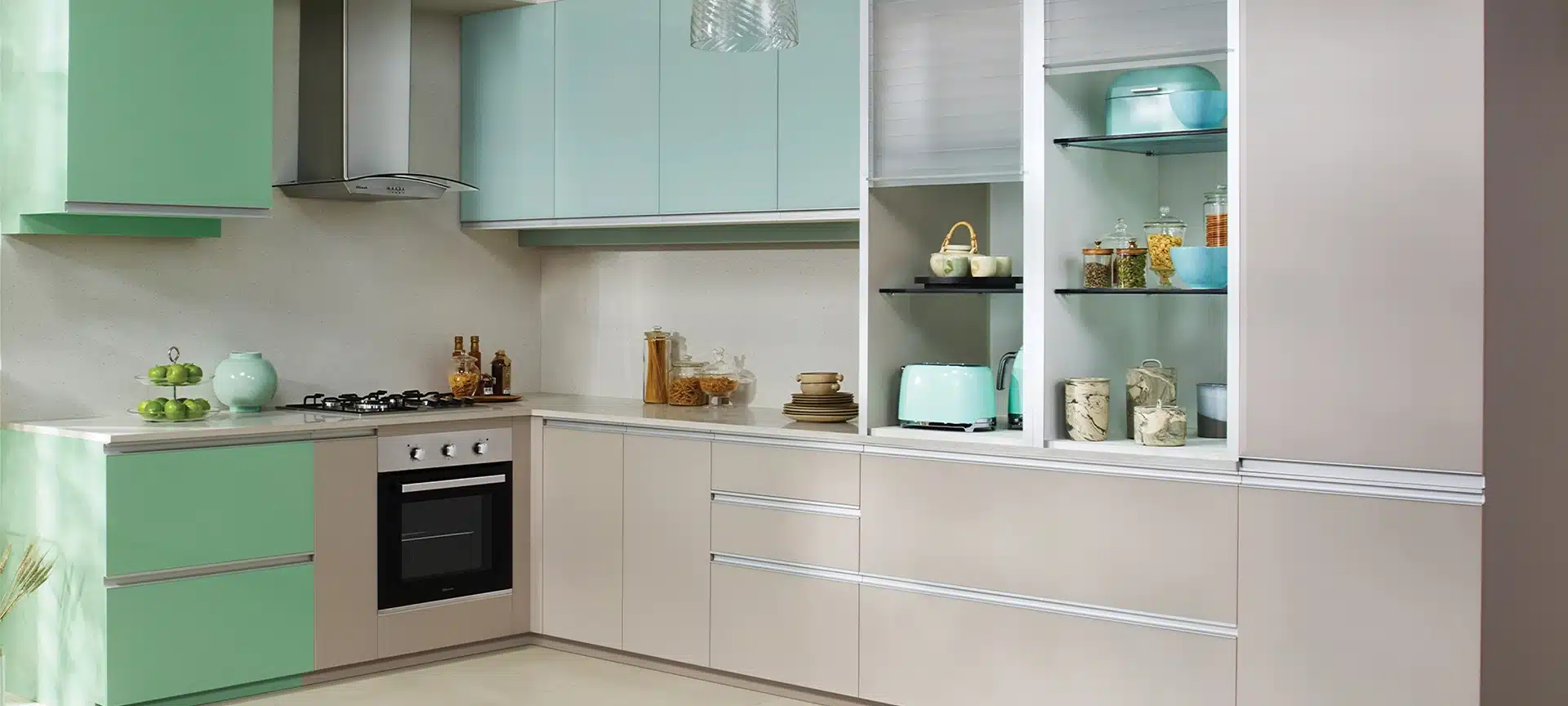
Traditional solid cabinet doors can make a small kitchen feel boxed in. Consider replacing some upper cabinet doors with glass fronts or open shelving to visually open up the space. Open shelving also allows you to display your favorite cookware, decor elements, or personal photos, adding personality and charm.
Open shelving can also be used to showcase favorite ceramics for a curated look.
This approach reduces the visual weight of cabinetry and creates a sense of airiness. Just be sure to keep shelves organized to avoid visual clutter.
Incorporating personal decor items like family pictures or novelty signs can further add personality to your kitchen.
3. Build In Clever Storage Solutions
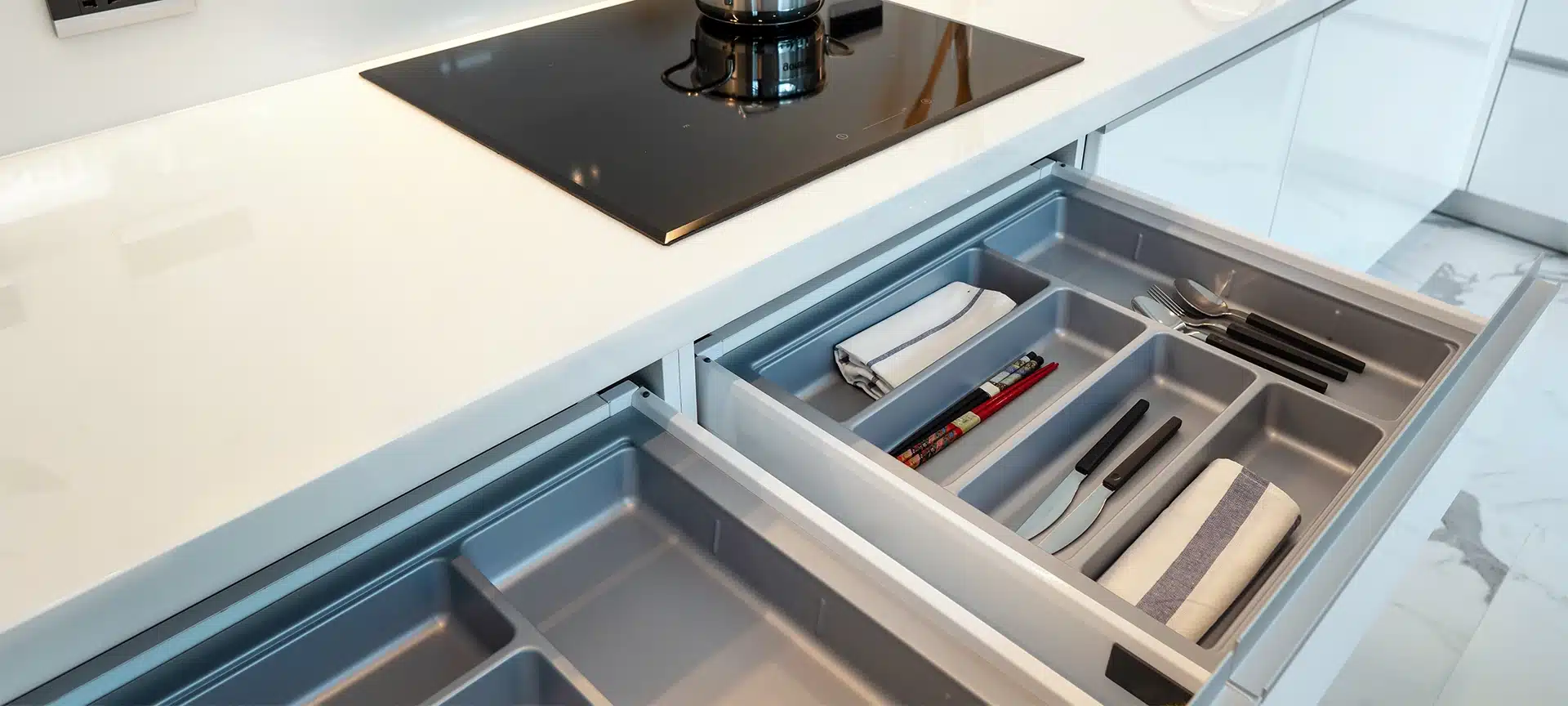
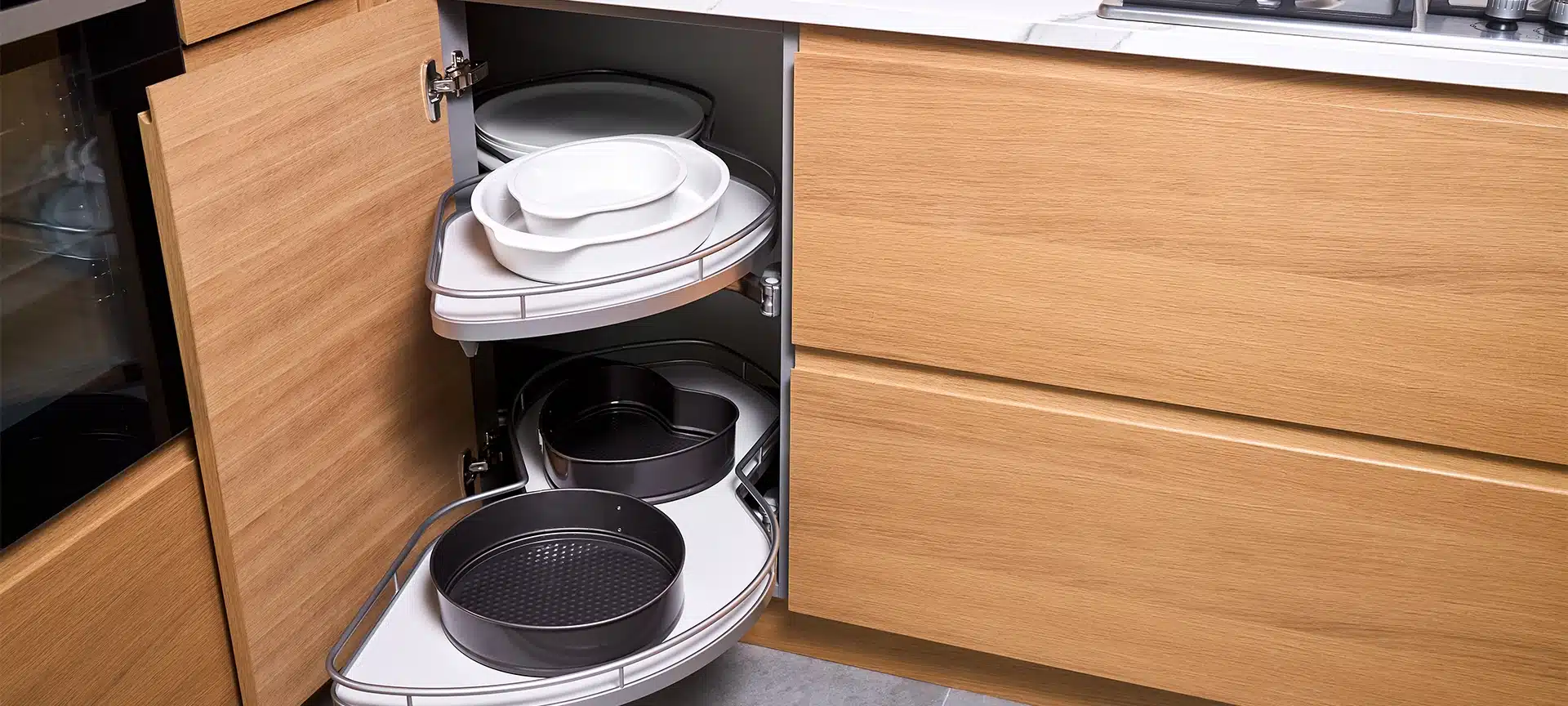
Maximizing storage is key in a small kitchen. Incorporate built-in storage solutions such as pull-out shelves, appliance garages, and slim pull-out pantries to keep everything organized and accessible. When designing these features, consider choosing durable and interesting materials like granite, marble, concrete, or stainless steel to enhance both the look and functionality of your kitchen. Use corner pull-out drawers or lazy Susans to make awkward corners functional; these helpful pull-out or carousel storage solutions maximize space and improve accessibility.
Drawer dividers, spice racks, and hidden dish drying racks can also help you make the most of every inch. Unexpected storage solutions, such as built-in benches and toe-kick drawers, are excellent for maximizing space in small kitchens. Vertical storage, like tall cabinets that extend to the ceiling, further increases kitchen storage without sacrificing floor space.
4. Lighten Up with Layered Lighting
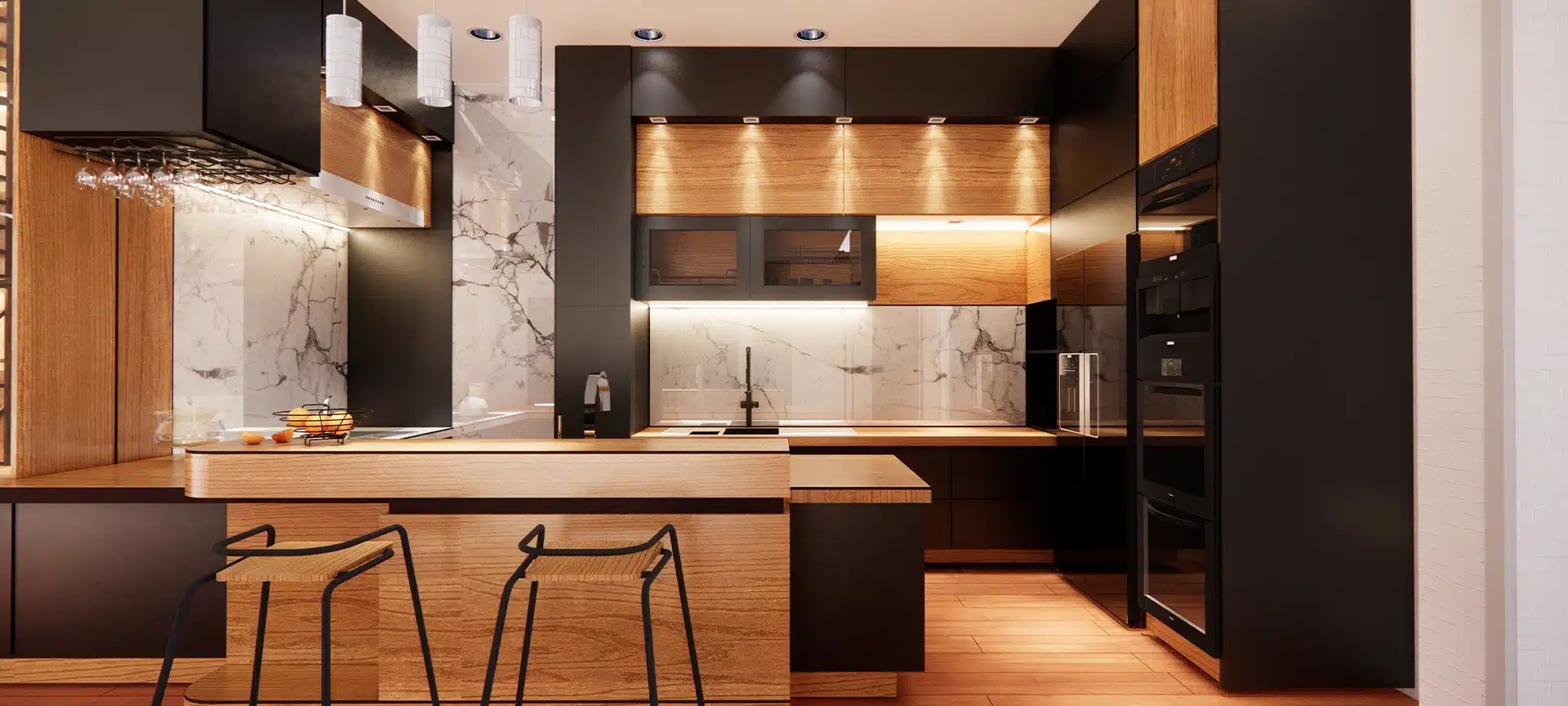
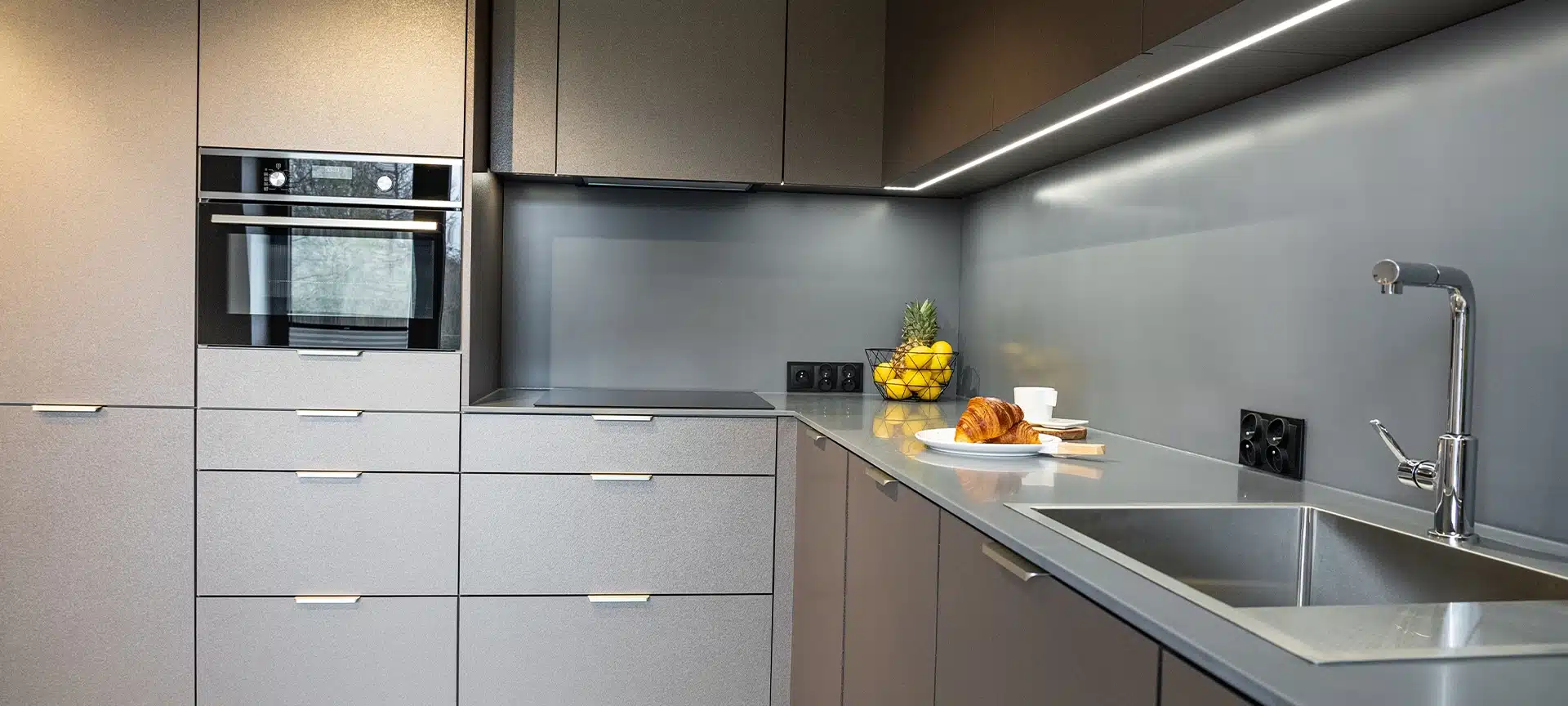
Lighting plays a crucial role in making a small kitchen feel larger and more welcoming. Combine recessed ceiling lights with task lighting, such as under-cabinet LED strips, to brighten work areas and eliminate shadows. Incorporate dedicated lighting solutions like under-cabinet and pendant lighting to further enhance the kitchen’s spacious feel.
Pendant lights over prep zones or islands add both style and function. Reflective surfaces, like glossy cabinets or marble countertops, help bounce light around the room, enhancing the sense of space and bringing joy and energy to your kitchen.
5. Use Every Inch: Creative Space-Saving Ideas
When space is at a premium, every inch counts. Consider custom solutions like drawers that wrap around the sink base or open shelving built around doorways. Utilize toe-kick drawers at the base of cabinets for extra storage. Pegboards and wall-mounted racks are excellent for customizable storage of kitchen tools, making the most of vertical wall space.
Incorporate movable tables or slim islands that can be tucked away when not in use, adding flexible workspace and storage. These features stand out by maximizing prep space in compact kitchens. Hanging pot racks free up cabinet space and keep frequently used cookware within easy reach. Multi-functional units like combination microwave/ovens save space and add flexibility, while maximizing floor space is especially important in multi-use rooms—such as kitchens that also include a sofa.
6. Keep It Simple with a Cohesive Color Palette
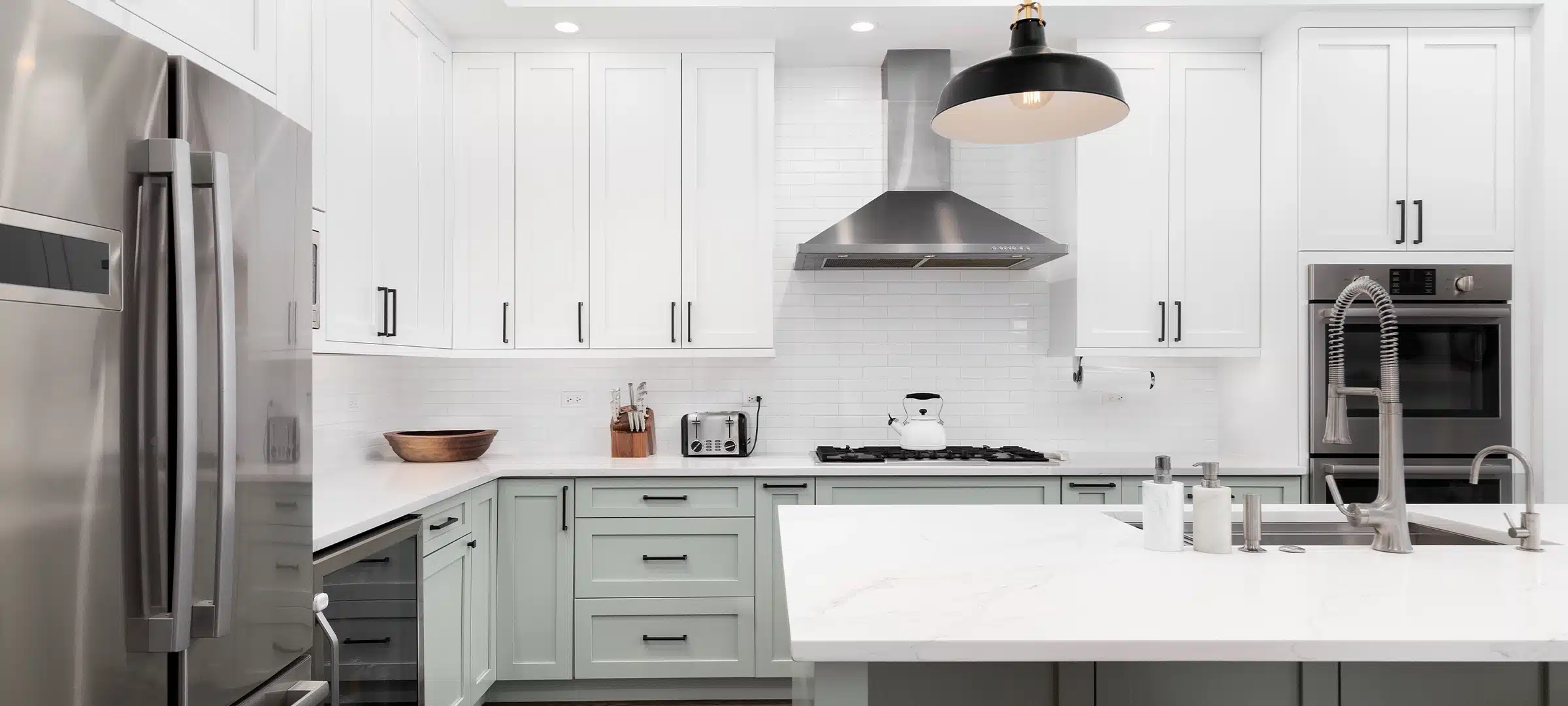
A cohesive color scheme can visually expand your kitchen. Choose one color or tones in the same family for cabinets, countertops, and walls to blur boundaries and create a seamless look.
Light colors like whites, soft grays, and pastels reflect light and make the space feel airy. Alternatively, deep tones like charcoal or navy can recede visually, giving the impression of more depth. Keep hardware minimal and lines clean for a tailored, uncluttered feel.
7. Incorporate Reflective and High-Gloss Surfaces
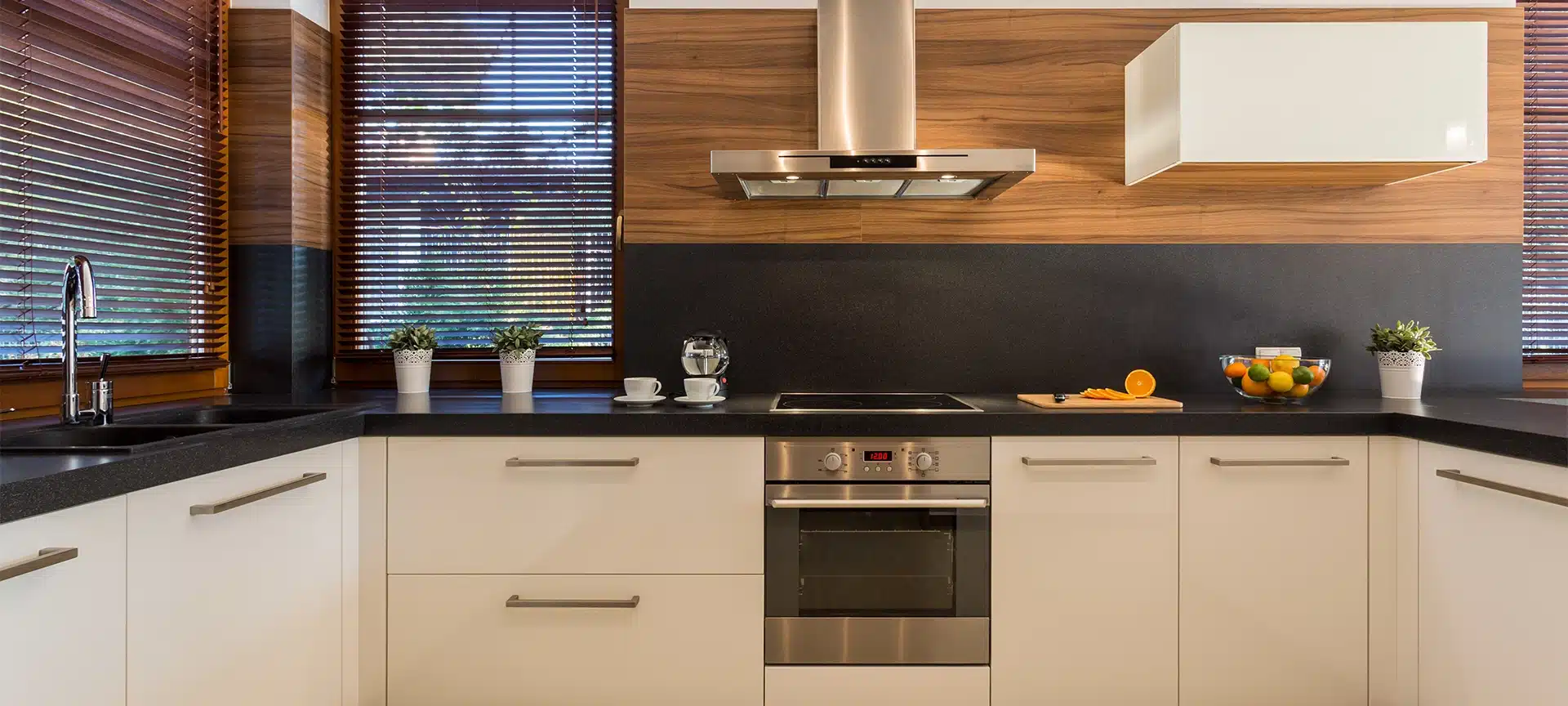
Reflective surfaces amplify natural and artificial light, making a small kitchen seem brighter and larger. Consider high-gloss white cabinets, stainless steel appliances, or marble backsplashes to add shine. Curate a collection of complementary finishes—such as glass, chrome, and polished stone—for a cohesive, designer-inspired look.
Mirrors or mirrored tiles can also be strategically placed to bounce light and create a sense of depth. Shop for reflective materials and finishes to further enhance your kitchen design. These finishes not only enhance space but also add a modern, polished look to your kitchen.
Related Article: How to Mix and Match Kitchen Countertops and Cabinets
8. Optimize Your Kitchen Layout for Maximum Function
Finally, consider your kitchen layout to optimize workflow and maximize space. Popular small kitchen layouts include galley, L-shaped, and U-shaped designs—each shape offers unique benefits for small spaces. L-shaped, galley, and U-shaped designs are often found in small footprints: galley kitchens feature two parallel counters with a walkway in between, L-shaped kitchens run along two adjoining walls to make the most of corner space, and U-shaped kitchens wrap cabinets and appliances around three walls, providing maximum storage and counter space.
When planning your layout, pay close attention to the distance within the kitchen work triangle (sink, stove, fridge) to ensure efficiency and minimize unnecessary movement. Including a peninsula can offer extra counter and storage space while maintaining an open flow. Strategic placement of the fridge, along with the use of smaller appliances like compact dishwashers, helps maximize space and functionality in small kitchens.
Certain layouts stand out for maximizing entertainment and workflow, providing the best experience for both daily use and hosting guests.
Related Article: 6 Things You Didn’t Think Would Fit in a Small NYC Kitchen But Do
FAQ: Small Kitchen Design Ideas
How can I maximize storage in a small kitchen?
Use vertical storage by installing tall cabinets up to the ceiling, incorporating pull-out shelves and corner lazy Susans, and utilizing toe-kick drawers and hanging pot racks. Make the most of corners with pull-out or carousel storage solutions to maximize every inch. Custom built-ins and appliance garages also help keep your kitchen organized and clutter-free. Adding a touch of greenery with herbs or small plants can bring life and freshness to your small kitchen.
What is the best layout for a small kitchen?
L-shaped and galley kitchen layouts are often the most efficient for small spaces. They maximize counter space and storage while creating a practical work triangle between the sink, stove, and refrigerator. The work triangle is especially helpful in small kitchens, as it streamlines meal prep and reduces unnecessary movement for greater efficiency.
How can lighting improve my small kitchen?
Layered lighting, including recessed ceiling lights, under-cabinet task lighting, and pendant lights, brightens the space and eliminates shadows. Reflective surfaces further enhance light distribution, making the kitchen feel larger and more inviting.
What color schemes work best in small kitchens?
Light, neutral colors like white, cream, and soft gray reflect light and create an airy feel. For a more dramatic look, deep colors like navy or charcoal can add depth. Keeping cabinetry, countertops, and walls in similar tones helps unify the space.
How do I keep my small kitchen organized and clutter-free?
Regularly declutter countertops, store seldom-used items out of sight, and use organizers like drawer dividers, spice racks, and pull-out pantries. Open shelving can be used to display favorite cookware or ceramics for a curated look, but it should be kept tidy, and every item should have a designated place to maintain order.
How Much Does a Small Kitchen Remodel Cost in NYC?
A small kitchen remodel in NYC typically costs between $20,000 and $60,000, depending on materials, labor, and design complexity. Working with experienced contractors ensures the best value and a functional, stylish kitchen within your budget.
Final Thoughts
With these small kitchen design ideas, you can transform your NYC kitchen into a stylish, efficient, and inviting space—even with limited square footage. Whether you’re renovating from scratch or updating your existing layout, thoughtful design choices can make all the difference. For expert help with your kitchen remodel, explore our portfolio and connect with our experienced designers to craft a kitchen that fits your lifestyle perfectly.
For more great small kitchen design and storage ideas, check out our portfolio of NYC kitchen remodels and follow us on Pinterest and Houzz.

Adam Blake
Adam Blake is Design Manager at MyHome Renovation Experts, known for blending smart space planning with timeless design. With hands-on experience guiding homeowners through renovations, he understands how to transform kitchens and living spaces into highly functional, beautifully crafted environments.
Related Posts

MyHome Renovation Experts Awarded Best of Houzz 2026 in New York City
MyHome Renovation Experts of New York City Awarded Best of Houzz 2026 Powered by Houzz Pro...
How to Mix and Match Kitchen Countertops and Cabinets
The kitchen is undeniably one of the most important rooms in any home. It serves...
8 Creative Small Bathroom Design Ideas
Looking to update your tiny NYC bathroom? We've compiled a list of 8 Creative Small...