MyHome Projects
New York City Office Renovation 2026
By Adam Blake
Information for Tenants: Office Fit-Out Renovations
New York City is renowned for its dynamic business environment and iconic skyline filled with diverse office spaces. Whether you’re a startup in a trendy SoHo loft or an established firm in a Midtown high-rise, renovating your office space to fit your company’s unique needs is a vital step toward enhancing productivity, brand identity, and employee satisfaction. This guide covers everything tenants and business owners need to know about New York City office renovation—from evaluating your space and planning your renovation to navigating construction schedules and compliance with regulations.
Understanding Office Fit-Out Renovations in New York City
In most commercial leases, tenants are responsible for the fit-out or renovation of their office space. A fit-out involves customizing the interior to suit your business operations, which may include reconfiguring layouts, upgrading infrastructure, installing furniture and built-ins, and enhancing lighting and AV systems. Given the complexity and costs involved, having a strategic renovation plan is essential to ensure your investment delivers value and supports your workforce effectively.
Evaluating Your Space: The First Step to a Successful Renovation
Before signing a lease or committing to a renovation, it’s critical to assess how much space you actually need and how well the available space aligns with your business requirements. Hiring an experienced team — including designers, architects, and project managers — can help you evaluate the feasibility of your desired layout and identify potential challenges.
Consider the nature of your workforce: Do you have hybrid employees who split time between home and office? Will you need private offices, collaborative zones, or flexible conference rooms? How can the space accommodate your current and future departments? Effective space planning ensures your office supports both productivity and collaboration while optimizing square footage.
Planning Your Renovation: Time, Budget, and Compliance
Time Considerations and Construction Schedules
New York City office renovations require meticulous scheduling. The design phase alone can take up to a month, followed by two to three months of construction, depending on the complexity of the project. Delays are common due to permitting processes, building management approvals, and unexpected additional work. It’s crucial to build buffer time into your schedule to avoid disruptions to your business operations.
Budgeting for Your Renovation
A clear, realistic budget is the backbone of any successful renovation. Costs can vary widely depending on materials, labor, infrastructure upgrades, and compliance with local regulations. Work closely with your contractors and designers to prioritize renovation goals that align with your brand identity and operational needs. Remember to allocate funds for necessary permits, security enhancements, and potential additional costs that may arise during construction.
Navigating Regulations and Permits
Compliance with New York City’s building codes and regulations is non-negotiable. Obtaining necessary permits can be a lengthy process involving the Department of Buildings and, in some cases, the Landmarks Preservation Commission if your building is in a historic district. Engaging with building owners and management early on helps streamline approvals and ensures that your renovation adheres to all safety and environmental standards.
New regulations effective in 2026 require Condo and Co-Op boards to be included as stakeholders in the Department of Buildings (DOB) NOW system for project filings, adding an important layer to the approval process. Additionally, all renovations must comply with the Americans with Disabilities Act (ADA) and updated 2026 fire safety codes, which tenants and contractors must carefully consider during planning and execution.
Design and Infrastructure: Creating a Productive and Future-Ready Workspace
Layout and Space Optimization
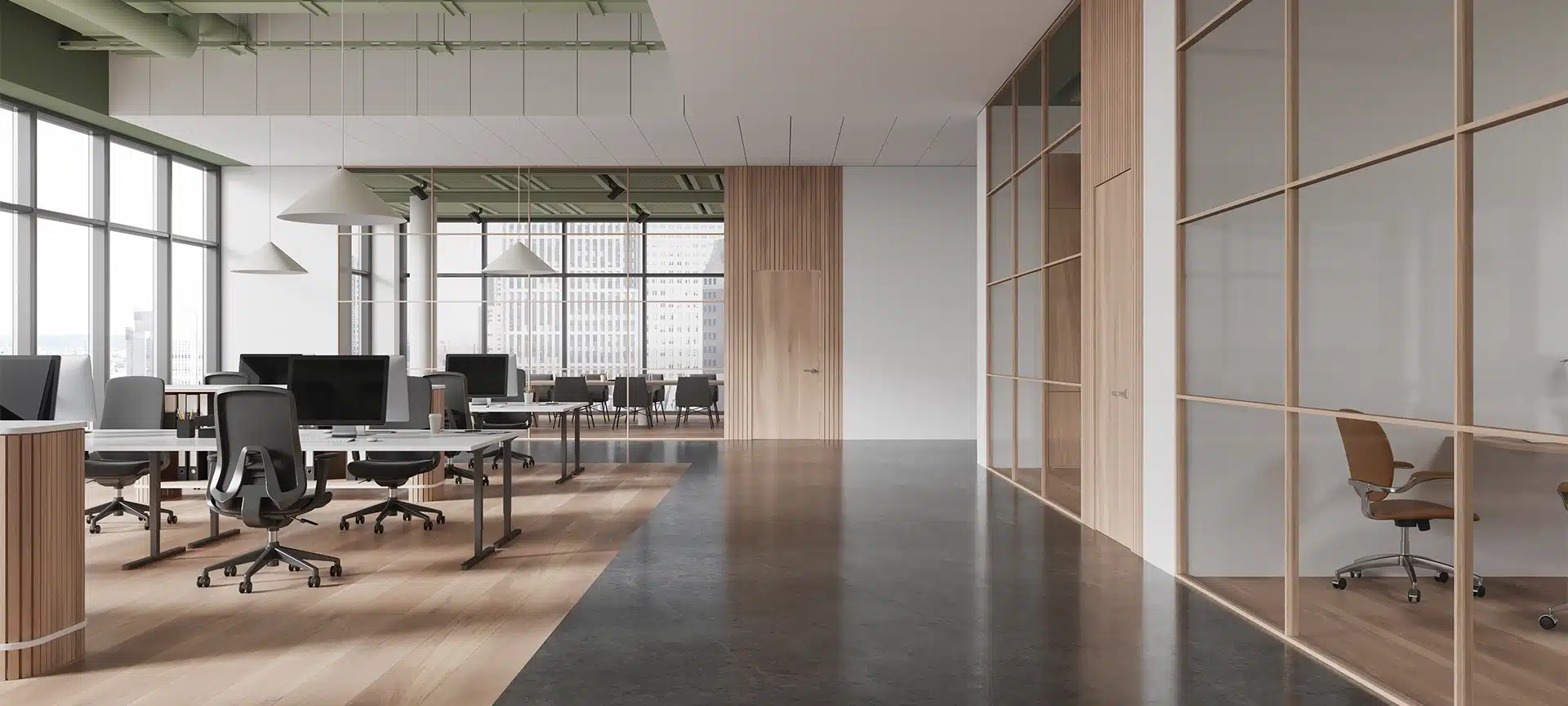
Thoughtful layout design balances private offices, open work areas, and collaborative spaces. Incorporate built-ins and storage solutions that maximize efficiency without cluttering the space. Consider the flow of foot traffic and the placement of departments to enhance communication and workflow.
Many New York City firms have moved away from traditional assigned seating in favor of flexible solutions such as hot-desking or ‘hoteling’ systems, modular furniture, booking desks, and multipurpose zones that cater to hybrid work schedules. These adaptable layouts help make the most of square footage and accommodate evolving staffing and operational needs.
Lighting, AV Systems, and Technology Integration
Proper lighting is essential for employee well-being and productivity. Utilize natural light where possible, supplemented by energy-efficient fixtures that reduce energy costs. Modern AV systems facilitate seamless communication, especially important for hybrid teams and client meetings. Investing in smart technology infrastructure future-proofs your office and supports evolving business needs.
Technology integration in renovations includes planning for high-speed Wi-Fi redundancy and discreet cable management to maintain a clean, efficient workspace. These infrastructure upgrades ensure your office is prepared for current and future technological demands.
Acoustics and Sensory Environments
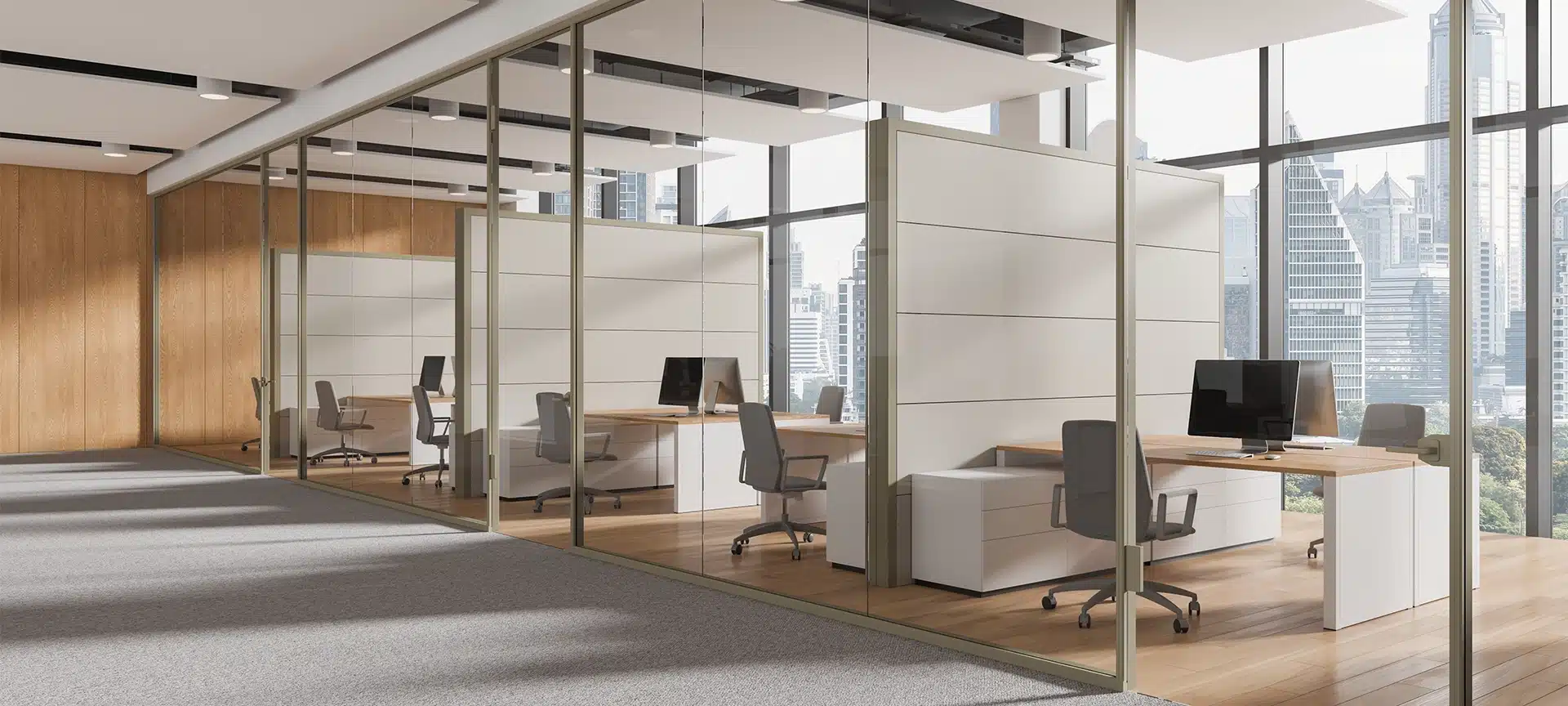
Acoustics play a crucial role in dense city environments like New York City. Utilizing layered soundproofing and other methods enhances privacy in meeting rooms and reduces distractions in open office layouts. Renovations in 2026 increasingly prioritize varied sensory environments, including ‘quiet oases’ and low-stimulation areas, to support employee focus and well-being.
Biophilic and Wellness-Oriented Design
Employee well-being is a priority in modern office renovations. Incorporating biophilic design elements such as natural light, improved air quality, greenery, and meditation rooms fosters a healthier, more inviting workspace. Ergonomic furniture and layouts further support comfort and productivity.
Furniture and Materials
Selecting durable, low-maintenance materials suited to New York’s urban environment ensures your office remains attractive and functional over time. Choose furniture that complements your brand colors and style while providing comfort and flexibility for your employees. Sustainable materials and smart energy systems contribute to environmental goals and can help reduce utility bills through upgraded lighting, HVAC, and appliances.
Had something else in mind? Read about: What’s Involved in Converting a Commercial Space into a Residential Loft in NYC?
Managing the Renovation Project: Collaboration and Communication
A successful renovation depends on a coordinated, experienced team. From contractors to designers and building management, clear communication and regular updates keep the project on track. Establish a renovation plan that includes a detailed schedule, budget tracking, and contingency funds to handle unexpected challenges.
Engage your employees by sharing renovation goals and timelines, minimizing disruptions, and incorporating their feedback on workspace needs. This collaborative approach fosters buy-in and helps create a space that truly supports your team.
The Value of Renovation: Beyond Aesthetics
Investing in office renovation is a strategic move that enhances employee productivity, attracts clients, and solidifies your company’s brand presence. A well-designed office can improve morale, accommodate a growing workforce, and adapt to future changes in work styles and technology.
Frequently Asked Questions
- How long does a typical New York City office renovation take?
Most office renovations in NYC take between three and six months, including design, permitting, and construction. More complex projects may require additional time due to regulatory approvals and building management constraints. - Who is responsible for obtaining permits during an office renovation?
Typically, the tenant or their contracted renovation team is responsible for securing necessary permits. Working with an experienced team ensures compliance with Department of Buildings regulations and any Landmarks Preservation Commission requirements. - What are the common challenges in NYC office renovations?
Common challenges include navigating building management rules, limited construction hours, permit delays, and unexpected additional work, such as infrastructure upgrades or compliance with historic preservation standards. Building access and logistics in Manhattan also create unique challenges that can impact scheduling and costs. - What should I consider when planning office space for hybrid employees?
Plan flexible workstations, create collaborative zones, and invest in AV systems that support virtual meetings. Hot-desking and reservation systems can optimize space utilization for hybrid work models. - What are the typical costs for office renovations in New York City?
Basic office renovations in NYC typically cost between $100-$150 per square foot. Mid-range renovations generally range from $150-$250 per square foot, while high-end office renovations can exceed $250-$400 per square foot, often reaching $2,000,000 for larger projects. These costs vary based on project scope, materials, and building conditions.
Ready to Renovate Your New York City Office?
Transform your workspace into a productive, inspiring environment that reflects your brand and supports your team’s success. Whether you’re planning a minor fit-out or a full-scale renovation, our experienced team at MyHome Renovation Experts is here to guide you through every step—from design and permits to construction and finishing touches.
Contact us today for a free consultation, and let’s create an office space that works as hard as you do.

Adam Blake
Adam Blake is Design Manager at MyHome Renovation Experts, known for blending smart space planning with timeless design. With hands-on experience guiding homeowners through renovations, he understands how to transform kitchens and living spaces into highly functional, beautifully crafted environments.
Related Posts
Walk-In Showers vs. Tubs: Which is Right for Your Bathroom?
Choosing between a walk-in shower and a bathtub is a significant decision when remodeling your...
How to Choose the Right Contractor for Your Kitchen Remodeling Project in Brooklyn NY
The kitchen truly is the heart of the home. But embarking on a kitchen renovation...
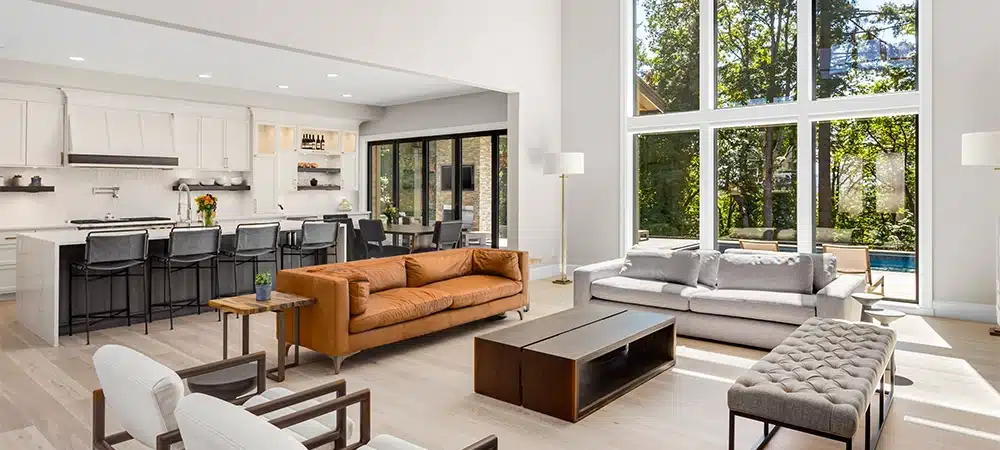
Open Concept Living in NYC: Knocking Down Walls for Modern Homes
In the heart of bustling New York City, where space is often a luxury, the...