Home Planning & Renovations
NYC Co-op Renovation Companies: 8 Questions to Ask Before You Hire
By Ofek Dahan
NYC co-op renovation companies should be evaluated on more than a finished-kitchen gallery or the lowest proposal. In Manhattan and Brooklyn, your renovation may need to meet your building’s alteration requirements, management rules, work-hour limits, insurance standards, and city filing requirements before demolition begins.
At a glance
- Confirm who owns approvals — Your contractor should clearly explain how building paperwork, management requests, and DOB coordination will be handled.
- Check feasibility before design is final — Plumbing locations, walls, ventilation, electrical capacity, and building policies can shape what is possible.
- Compare written scope, not headline price — A lower proposal may leave out protection, logistics, permit coordination, or other necessary work.
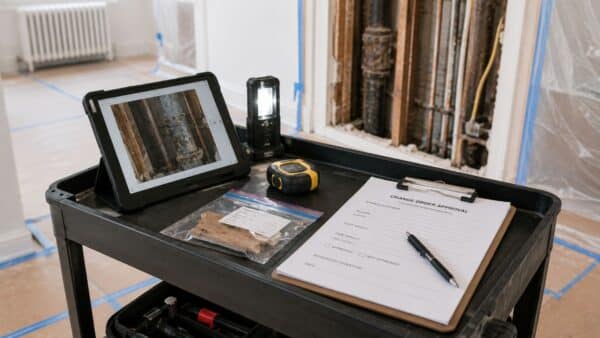
- Ask for a documented change process — If demolition reveals a problem, you should see it, understand the recommendation, and approve added work before it proceeds.
- Know your point of contact — A defined handoff from planning through construction helps keep decisions and responsibilities clear.
A co-op renovation is not only a construction project. It is a coordination project. The company you hire should be clear about what it will manage, what your building will require, and what happens if the apartment reveals something unexpected after work starts.
Before comparing proposals, use these eight questions to compare process—not just presentation.
For the whole process in one place, see our guide to co-op and condo renovation approvals in NYC: what MyHome handles, which DOB filing applies, and how long approval usually takes.
Why Choosing Among NYC Co-op Renovation Companies Is Different
Short answer: A co-op renovation company should understand building rules, board submissions, permits, logistics, and communication—not simply the construction work inside your apartment.
A beautiful portfolio matters. But it does not tell you whether a company can organize a board package, coordinate with management, plan around freight-elevator access, or respond properly if older plumbing, wiring, or flooring conditions are uncovered.
Co-op buildings commonly have their own alteration agreements, house rules, insurance requirements, work-hour policies, and review procedures. Those requirements can affect the documents required, the professionals involved, and the sequence of your renovation. Learn how NYC co-op and condo board approvals work.
That is why comparing estimates alone is not enough. A lower proposal may be missing building protection, permit coordination, debris handling, electrical work, or other items needed for your actual scope.
This is especially true in pre-war Manhattan buildings, where an apartment may have older systems behind finished walls, as well as in Brooklyn co-ops with their own management procedures, elevator schedules, and renovation rules. The details differ from building to building. The need for a clear plan does not.
At MyHome Renovation Experts NYC, we help homeowners in Manhattan and Brooklyn define responsibilities before construction begins. The goal is transparent upfront planning—not learning about key requirements after the work is already scheduled.
A Co-op Board Reviews More Than Your Finish Selections
Depending on the building and the work proposed, a board or management company may request drawings, a scope of work, certificates of insurance, contractor information, proposed work hours, protection details, and documentation from required licensed professionals. Requirements vary by building, which is why no renovation company should promise that every approval follows the same path.
The right company should review your building’s requirements with you and explain what is needed for your project—not hand you a checklist and leave you to manage it alone.
The Wrong Contractor Can Create Risk Before Work Begins
A company may be able to install a kitchen and still be unprepared for a co-op renovation. If responsibility is vague, homeowners can end up chasing documents, interpreting management requests, or finding out too late that a preferred layout does not fit building policy.
The better question is not simply, “Have you renovated apartments?”
Ask: “How will you handle this building’s approval, logistics, and construction requirements from the beginning?”
NYC Co-op Renovation Companies: 8 Questions to Ask Before You Hire
Short answer: Ask each company who owns the board package, coordinates permits, checks feasibility, manages building logistics, communicates during construction, and documents changes to the scope.
These questions help you compare how a company operates when the project becomes real.
1. Who Handles the Alteration Agreement and Board Submission Package?
An alteration agreement is the package of building-required documents and conditions that may apply before renovation work can begin. Ask the company to explain exactly what it will prepare, coordinate, and submit.
Depending on your building, that can include a scope of work, drawings, certificates of insurance, contractor credentials, schedules, and supporting documents from architects or engineers.
You should also ask what remains your responsibility as the shareholder. You may need to sign forms or provide owner-specific information. The key is that everyone understands the handoff before the submission starts.
MyHome takes responsibility for both building approvals and city/DOB dealings, so clients are not left to coordinate those tracks by themselves. We work through building requirements with the homeowner and remain involved through completion.
Read more about what your contractor should handle for co-op and condo board approval.
2. Who Coordinates DOB Requirements and Outside Architects?
Permit and filing requirements depend on the scope. Plumbing, electrical, gas, layout, and structural work can all affect what needs to be reviewed or filed. The New York City Department of Buildings provides guidance on renovation, alteration, and repair work.
Ask how the company determines what is required and who coordinates the necessary professionals. “We’ll figure that out later” is not a useful answer before you sign a contract.
MyHome coordinates with outside architects when city permits are needed and stays involved throughout the process. We do not claim to have architecture in-house, and we do not leave homeowners to find and manage permit professionals on their own.
A capable team should explain the sequence clearly: what gets reviewed first, who prepares what, and where building requirements and city requirements may overlap.
3. Has the Company Planned Around Real Co-op Building Logistics?
Building logistics are part of the renovation plan. Work-hour restrictions, elevator reservations, delivery procedures, water shut-offs, debris removal rules, and common-area protection can all affect how work is sequenced.
Ask how the company plans for:
- Freight elevator reservations
- Hallway, lobby, and elevator protection
- Delivery timing
- Noise restrictions
- Water shut-offs
- Daily cleanup
- Debris removal
- Communication with the super and management
This matters in Manhattan and Brooklyn co-ops alike. A building with a tight freight-elevator schedule or limited weekday work window needs a realistic logistics plan, not a generic construction calendar.
A company with co-op experience should treat these requirements as part of the work plan—not as last-minute issues for you to solve.
See why site protection matters in every NYC renovation.
4. How Will the Team Check Whether My Layout Is Feasible Before Submission?
A design may look right on paper and still need adjustment after building policies, existing conditions, and mechanical constraints are reviewed.
Before you commit to a plan, ask how the company evaluates plumbing locations, electrical capacity, wall changes, ventilation, and building policies for kitchens, bathrooms, laundry, or other wet areas. Many co-ops closely review changes involving plumbing fixtures and wet spaces.
This is especially important if you hope to:
- Move a kitchen
- Add or enlarge a bathroom
- Install in-unit laundry
- Remove a wall
- Add new electrical loads
- Change gas appliances
- Improve ventilation or HVAC
The company should review feasibility early—before plans are submitted and before you purchase materials that may not fit the approved layout.
For a closer look at kitchen and bathroom relocation limits, read our wet-over-dry rule guide.
5. What Is Included in the Proposal—and How Are Likely Extras Addressed Upfront?
A proposal is not just a price. It should explain what the company expects to do, what is included, and what assumptions have been made.
Ask whether the proposal accounts for items relevant to your apartment, such as demolition, disposal, protection, plumbing work, electrical upgrades, floor preparation, permit coordination where applicable, and finish installation.
The useful comparison is not “Which number is lower?” It is “Which company has described the same work in enough detail for me to understand what I am buying?”
At MyHome, we use a transparent upfront approach. When likely extras can be identified before construction—such as permit-related work, riser or pipe conditions, or subfloor needs—they should be addressed in a written proposal outlining the recommended scope of work and pricing instead of hidden behind a low starting number.
That does not mean every condition inside an older apartment can be known before walls are opened. It means you should understand the known risks, inclusions, exclusions, and process for conditions that cannot be confirmed until demolition.
6. What Happens If Demolition Reveals an Unexpected Condition?
Short answer: If an unexpected condition appears, the company should pause that work, show you the issue, explain the recommendation and price, and obtain written approval before proceeding.
Existing conditions are not always visible before selective demolition opens a wall, floor, ceiling, or plumbing connection. That is one reason a thoughtful proposal should identify assumptions and explain how changes will be handled.
The important question is how the company responds.
MyHome’s process is direct: if an unforeseen condition appears, work stops on that item. We bring the client to see the condition, explain why additional work is needed, provide the exact price, and receive signed approval before proceeding. We do not replace first and bill later.
That process gives you the information needed to decide before added work is performed. It also keeps the discussion tied to a specific condition and a documented scope, rather than a vague conversation after the fact.
Read more about how NYC apartment renovation contractors handle change orders.
7. Who Will I Speak With During Design and Construction?
Ask every company to describe your communication path from consultation through completion.
At MyHome, clients work with three people in sequence:
- Renovation Expert during the initial consultation and planning stage
- Designer during design development and selections
- Project Manager from the confirmation/kickoff meeting through construction
That structure makes it clear who is responsible at each stage. Once the project enters construction, the Project Manager leads the process.
Also ask how updates are shared, who answers questions, how decisions are documented, and what happens if you need clarification on scope or timing. Clear communication does not eliminate every renovation challenge, but it prevents small issues from becoming bigger ones.
8. What Written Warranty and Close-Out Support Do You Provide?
Ask for warranty information in writing. A verbal promise is not the same as a written warranty and a defined close-out process.
MyHome provides a 10-year written renovation warranty. Before hiring any company, ask how final walkthroughs, punch-list items, required inspections, and building completion requirements will be handled.
A finished apartment is not the only goal. You also want a company that has a process for completing the project responsibly and responding after the work is done.

What Strong Co-op Renovation Experience Looks Like
Short answer: Strong co-op experience shows up in planning, documentation, communication, and change-order procedures—not only in a portfolio.
You do not need to become a construction expert before hiring a renovation company. But you should expect specific answers to the questions above.
A capable company should be able to explain how it handles:
- Building-specific documentation
- Approval coordination
- Outside architect and permit coordination when needed
- Feasibility review before submission
- Common-area and apartment protection
- A defined communication structure
- Written scope and change approvals
- Final walkthrough and warranty support
MyHome has more than 25 years of experience serving homeowners in Manhattan and Brooklyn. We have never been turned down by a residential co-op or condo building. That is a track record we take seriously—not a guarantee that any particular board will approve every project.
Each building has its own standards, and each renovation has its own scope. Our role is to prepare thoroughly, coordinate the required parties, and keep the homeowner informed throughout the process.
What that experience looks like on MyHome’s own jobs
Kitchen and bathroom at 303 West 66th Street, a Lincoln Square co-op: the co-op’s rules set the pace of the job: every worker checked in at the front desk with a state ID, work ran 9:00 to 4:30 on weekdays only, debris went out in sealed bags straight to a waiting truck, and Masonite was laid from the elevator to the apartment door and lifted at the end of every day. The board also required four inspections, including one of the waterproofing before any tile went on.
Tub-to-shower bathroom at 201 East 17th Street, Gramercy: the building’s engineer reviewed the scope three times between April and June 2022. The first review ran to 29 numbered conditions; the second reopened three points after the job changed from a tub to a shower; the third sent back a waterproofing drawing until it showed exactly how the wall and floor membranes joined. MyHome answered each round and pulled the LAA permit the new scope needed.
Compare Proposals on Scope, Not Just Price
Short answer: The lowest proposal is not always the lowest project cost if important work, building requirements, or coordination responsibilities are absent from the scope.
When comparing proposals, confirm that each company has included the same categories of work. A lower number may reflect a narrower scope rather than better value.
Review whether the proposal addresses:
- Demolition and disposal
- Plumbing and electrical work
- Permit and filing coordination, where applicable
- Building protection
- Material installation
- Floor preparation
- Project management
- Building logistics
- Final close-out responsibilities
Then ask what happens if the company finds something different from the assumptions in the proposal. The answer should be documented before construction begins—not improvised after you are committed.
An example of a MyHome written scope
Galley kitchen at 529 East 84th Street: the scope lists, in writing, what is included and what is an option: a new refrigerator water line, removing a closet, adding a dishwasher with its own circuit. Painting is included and skim coating is explicitly excluded, so none of those could arrive later as a surprise.
Frequently Asked Questions
Can a renovation company guarantee co-op board approval?
No company should guarantee that a particular co-op board will approve a renovation. What a qualified company can do is prepare thoroughly, coordinate required documentation, address building requirements early, and manage the submission process with care.
Do I need an architect for my co-op renovation?
It depends on your scope and the requirements of your building and the city. Ask the renovation company how it determines whether an outside architect, engineer, or other licensed professional is needed and how that coordination will be handled.
Should I hire a contractor that has worked in my building before?
Prior building experience can be helpful, but it should not be the only decision factor. Ask how the company handles your building’s current rules, management requirements, logistics, scope planning, and communication process.
What should I bring to a co-op renovation consultation?
Bring your building’s alteration agreement or renovation rules if you have them, along with apartment plans, photos, design ideas, and your renovation priorities. If you do not have every document yet, a good first consultation can help identify what to request from management.

Book a Free Co-op Renovation Consultation
Choosing between NYC co-op renovation companies is easier when you know what questions to ask and what responsibilities should be defined before you sign.
MyHome Renovation Experts NYC helps Manhattan and Brooklyn co-op owners plan renovations around their building requirements, design priorities, and construction realities. Bring your renovation ideas, building rules, alteration agreement, or any plans you already have.
Book a free renovation consultation to discuss your co-op project with a MyHome Renovation Expert.

Ofek Dahan
Ofek Dahan is the CEO of MyHome Renovation Experts, dedicated to delivering exceptional remodeling experiences through thoughtful design, quality craftsmanship, and transparent communication. He shares insights on renovation planning, industry trends, and creating homes that are both beautiful and functional for modern NYC living.
Related Posts

How to Shortlist Full-Service Firms for a Brooklyn Heights Co-op Renovation Before You Request Quotes
A pre-quote screening method for Brooklyn Heights co-op owners: evaluate renovation firms for relevant experience,...

Who Handles an NYC Apartment Renovation From Design Through Board Approval and Construction?
See what an end-to-end NYC apartment renovation partner should handle—from design and board packages to...

What Happens at a Designer-Guided NYC Renovation Showroom Appointment?
Overwhelmed by tile, stone, cabinets, and fixtures? Learn what to bring to a designer-guided NYC...