Home Planning & Renovations
What Is Interior Design?
By Adam Blake
A well-designed and organized place can provide anyone with good energy. It often happens that a brand-new apartment feels dated and characterless, and that’s mostly due to the bad organization and design of the rooms. Creating a homey dwelling is the job of a professional interior designer. Interior design focuses on enhancing the interior space to improve both functionality and well-being for its occupants. But what is interior design exactly?
Interior design is the art of enhancing the interior space to create a functional environment that meets the client’s needs and promotes well-being. Designers in this area know exactly how to create a space that meets the client’s demands. In this article, we’re breaking down the concept of interior design in detail to learn what the secret is to creating a home sweet home.
So, let’s get started!
Introduction to Interior Design
Interior design was a study under general architecture for a long time. It became an independent branch in the early 1900s, and as a profession, it was first introduced by Elsie de Wolfe. Many still confuse interior designers and interior decorators, or some use the terms interchangeably.
As you will see later in the text, the nature of the interior designer is to optimize spaces to a functional, practical, and economic extent and meet the client’s lifestyle, wants, or desires within the selected area. Additionally, interior designers are expected to add style to the space according to their client’s character, such as in a kitchen.
Interior decorators, on the other hand, are not obliged to conceptualize the space but only to decorate or style the place according to the client’s demands. Often, they may be asked to provide their own opinion on how they assume the styling should go. There are many styles today, but they’re all a derivation of the basic ones:
- Traditional interior design
- Minimalistic interior design
- Modern design
- Industrial interior design style
Interior decorators must always be up to speed with the latest trends. In a 100-year span, interior design underwent many trends related to home styles, but the main concept of pursuing every space to make it more effective remains as a credo.
Related Articles: Top Kitchen Design Trends in NYC for 2025

Required Qualifications for Interior Designers
The interest in interior designing constantly rises in the US, and just like any other profession, it requires being familiar with the following skills and technical knowledge:
- Sustainable materials and textiles
- The concept of color harmony
- Space planning
- Lighting
- 2D or 3D computer-aided design (CAD)
- Building Information Modeling
- Auto-CAD
- Structural requirements
- Health and safety informative courses
- Building and structure codes and etiquette
- Fine arts
- Graphic design
- Interior architecture
Specialized knowledge in areas such as healthcare, gerontological, or educational facility design, as well as professional practice, is also important for a successful career in interior design.
The interior design qualifications must be fulfilled to become a designer.
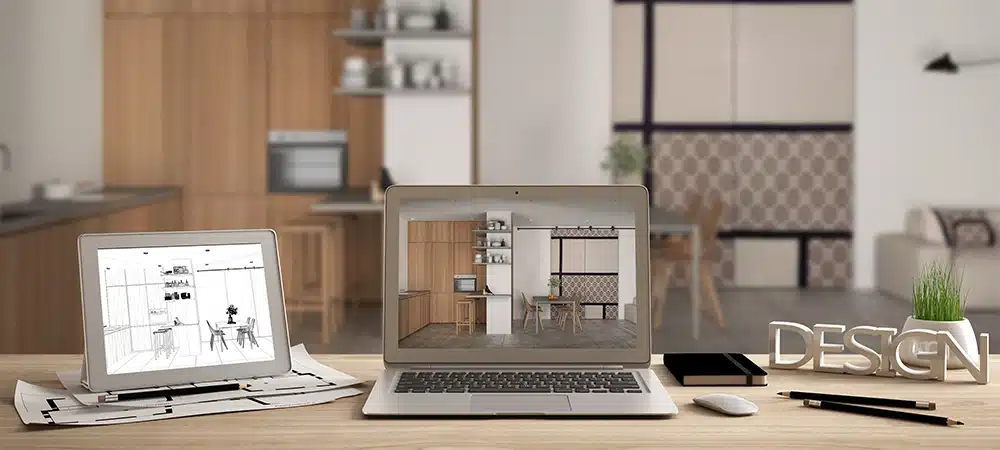
History and Current Terms
Ancient civilizations like the Egyptians, Greeks, and Romans used decorative arts and created recreational spaces in their homes, laying the foundation for the interior design profession. These early societies incorporated artistic elements and thoughtful material choices to enhance their built environment and daily life.
The emergence of the middle classes in industrialized countries increased the demand for furniture and home and office elements. To satiate the demand, interior design firms started employing more professional interior designers, and that’s how the interior design profession broke out on the market. You can see these NYC trends for interior design, for instance.
Since industrialization, many aspects have changed in this profession. The influence of decorative arts and the importance of material selection have shaped the evolution of interior design. Previously, the main focus of furniture companies was mass production as the demand was only rising. However, the practice of mass production without sustainable measures backfired on our home – Earth.
Interior design nowadays is more sustainable, economical, and way more minimalistic than ever. Technology helped to create the best opportunities for work for designers while keeping the environment safe, and only with the best vision in mind – both for the living/working spaces and Earth – do we have the best quality. Interior designers now play a crucial role in shaping the built environment, creating spaces that enhance quality of life and well-being.
The interior design profession has achieved formal recognition through education, accreditation, and professional organizations, offering diverse career opportunities for those interested in the field.
Currently, the market value of interior design is estimated at $23.8 billion, which entails that it’s quite competitive. The interest in 2017-2022 in interior design has risen with evident growth in the market size of 4.6%.
Commercial Interior Design and Management
Any skilled interior designer can progress their career from home to commercial interior design as it’s a greater creative and technical challenge.
Commercial interior design refers to planning, organizing, and decorating public areas such as libraries, restaurants, or retail shops. Within commercial projects, hospitality design is a specialization focused on creating functional and visually appealing spaces in hotels, luxury condos, and other hospitality venues. These interior design projects require more attention as the purpose is different than that of a home.
Often, interior designers have to collaborate with the architects to maximize the use of the space and make the best with what they have, carefully considering the layout to ensure optimal arrangement of furniture and elements, and later progress to the decoration and styling according to the preplanned and client-approved plan. Creating an aesthetically pleasing environment in commercial spaces is essential to enhance both functionality and visual appeal.

Interior Designers and Their Areas of Focus
Interior designers are usually associated with home decorations. However, they can also be:
- Business or office focused
- Commercialized
- Entertaining
- Home
- Universal design specialists
Each of these areas requires a different approach and shift in focus. For example, if an interior designer has a mall to conceptualize, the main focus in this area is to make the environment advertising or promotional. In other words, it should sell.
Or if they have to make a theatre, then the focus has an even higher approach as the interior designer must become well-informed about the arts and culture of the theatre and communicate with the architect to execute the project successfully.
Some interior designers specialize in furniture design, creating functional and aesthetically pleasing pieces that enhance the overall space. Others focus on the unique challenges of small spaces, using techniques such as careful selection of scale, proportion, and light furnishings to optimize comfort and style in limited areas.
As you can tell, interior designers can focus on various projects, such as a full home renovation project. However, depending on the nature of the design project (commercialized, home, entertainment, etc.), interior designers may be classified into the industrial designer, business interior designer category, and so on.
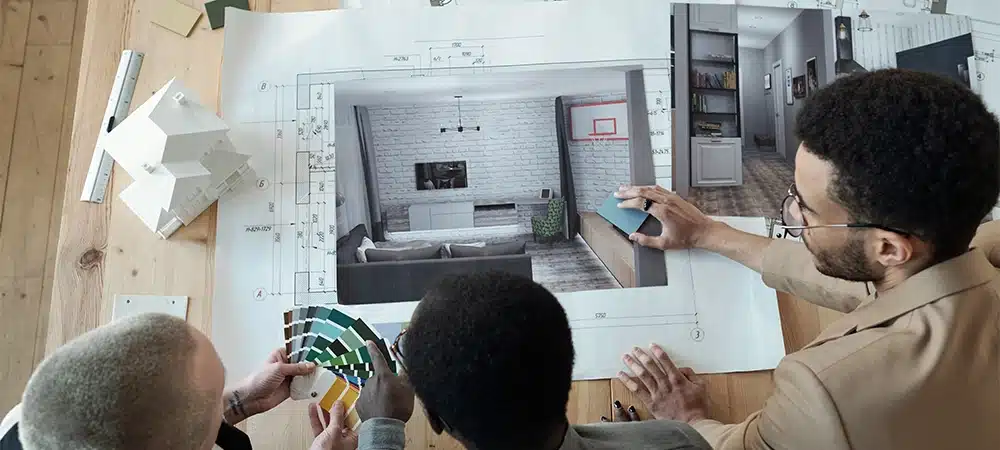
Transition to Professional Interior Design
If you want to turn interior design into your profession, you must ensure you have the following features:
- Decorator’s “Eye” – You’re probably familiar with this term, but it’s of utmost importance to train and cultivate your eye to various trends and styles. In the meantime, you should always look for the connection between the decoration and the room’s purpose.
- Become Flexible – Mind that design is all about being flexible in your problem-solving tasks. If you plan on working as an interior designer, know that you will often have to come up with plans for quite challenging spots.
- Be Curious and Explore – The secret to becoming a prosperous interior designer is to be curious and explore as much as you can. Travel and meet new people. Always ask questions about their customs because you may come across various valuable maintenance solutions that you can implement in your projects.
- Keep Up With the Trends – It’s important to keep up with the current styling trends, so you can create a modern solution.
Speaking of styling and decorating, note once more that interior decorators and interior designers are not the same. Interior designers’ work is more demanding and responsible than that of interior decorators.
Related Article: What is Biophilic Design?
Interior Decorators and Interior Designers
The profession of the interior designer requires deeper technical knowledge in construction and room conceptualisation. Moreover, interior designers need to know the relationship between space and human behavior, so they can adapt it.
Interior decorators, on the other hand, don’t necessarily need to know about the technicalities of a place, building, or construction. Unlike interior designers who have to conceptualize and design space and make it into a beautiful whole, interior decorators only style the place or give the final finishing touch.

Interior Design vs. Interior Decorating
Interior design is the art of turning a given space into a functional area that meets clients’ wants and lifestyles and eventually improves them. For that reason, to become an interior designer, you often need a higher degree diploma, where you have to take several construction subjects as well.
Interior decorating is a profession that emerged only after interior designing. After the period of industrialization, and along with modernism, the number of new apartments and houses increased to the point where there was no other architect or interior designer available to finish the styling process, so often, people were their own interior decorators.
A key aspect of interior decorating is selecting the right color combinations to achieve an aesthetically pleasing result. As the demand for professional style increased, interior decorating separated from interior designing as an individual branch.
Get Professional Help From Designers With Formal Training
If you want to redo your home into a more beautiful whole, check out MyHome US interior design service and meet the designers. Our staff is composed of trained designers with previous work experience, which results in a tighter sense of style.
Here at MyHome US, our interior designers are super friendly and ready to take on every challenge. Regardless of how difficult a situation may appear in your eyes, to us, it will always be an interesting task to tackle.
We’re always up for a conversation if you have some ideas to share with us. If you want to know what interior design is or have any dilemmas or questions related to interior designing and decorating in NYC, feel free to reach out to us at any time and get a free design consultation!
Frequently Asked Questions About Interior Design
What role does sustainable design play in modern interior design?
Sustainable design focuses on creating interior environments that minimize environmental impact by using energy-efficient materials, reducing waste, and incorporating eco-friendly practices. It is increasingly important in interior design to promote sustainability and address climate change.
How does lighting design affect the atmosphere of a space?
Lighting design, including the use of natural light and artificial lighting, significantly influences the mood, functionality, and aesthetic appeal of interior spaces. Proper lighting enhances visual comfort and highlights key decorative elements.
What is the typical cost of interior design services in NYC?
The cost of interior design services in NYC varies depending on the project’s size, complexity, and the designer’s experience. Generally, interior designers charge between $100 and $300 per hour. For larger projects, some designers offer flat rates ranging from $2,000 to $20,000 or more. Additionally, some may charge a percentage of the total project cost, typically between 10% and 20%. It’s important to discuss pricing and services upfront to find a solution that fits your budget and design goals.
Do general contractors offer interior design services?
General contractors primarily focus on construction and renovation work, managing the building process and coordinating trades. While some general contractors may provide basic interior design services or collaborate with interior designers, they usually do not offer specialized interior design expertise. For detailed and tailored design work, it is advisable to hire a professional interior designer or design firm to ensure your space meets both aesthetic and functional needs.
What is the difference between residential design and commercial design?
Residential design focuses on creating functional and personalized living spaces tailored to individual needs, while commercial design involves planning and decorating public or business environments such as offices, shopping centers, and hospitality venues with an emphasis on user experience and functionality.
Why is knowledge of building codes important for interior designers?
Interior designers must understand building codes to ensure their designs comply with safety, accessibility, and legal regulations. This knowledge helps create safe and functional interior spaces that meet all required standards.

Adam Blake
Adam Blake is Design Manager at MyHome Renovation Experts, known for blending smart space planning with timeless design. With hands-on experience guiding homeowners through renovations, he understands how to transform kitchens and living spaces into highly functional, beautifully crafted environments.
Related Posts
NYC Co-op Renovation Rules: What Your Contractor Should Handle So You Don’t Have To
Learn what NYC co-op renovation rules require and what your contractor should handle—alteration agreements, board...
How to Hire an NYC Apartment Renovation Contractor Who Won’t Get Rejected by Your Board
Learn how to evaluate NYC apartment renovation contractors for co-op and condo board approval. What...

Who Handles What in Your NYC Co-op Renovation: Board, DOB, and Building Coordination Explained
Learn which NYC co-op renovation tasks fall to you vs. your contractor—board approval, DOB permits,...