Home Inspiration
How to Mix and Match Kitchen Countertops and Cabinets
By Adam Blake
The kitchen is undeniably one of the most important rooms in any home. It serves not only as a functional space for cooking and meal preparation but also as a central gathering spot for family and friends. Because of its significance, designing a kitchen that is both efficient and visually appealing is crucial. One of the most exciting and creative ways to personalize your kitchen design is by learning how to mix and match kitchen countertops and cabinets effectively.
Related Article: Top Kitchen Design Trends in NYC for 2025
Why Mix and Match Kitchen Countertops and Cabinets?
Mixing and matching different materials and colors for your kitchen countertops and cabinets offers the chance to create a personalized kitchen that reflects your style and enhances functionality. For example, using luxurious marble countertops on an island can create a bold focal point, while opting for durable granite or budget-friendly laminate on perimeter counters balances visual interest and cost. Coordinating these choices with your kitchen’s color scheme ensures a harmonious and cohesive look.

This approach also allows you to tailor different areas to specific needs. Butcher block countertops bring warmth and are easy to repair, ideal for prep zones, while quartz provides a sleek, low-maintenance surface perfect for heavy-use areas. Matching countertops with cabinets helps unify the design, making your kitchen both beautiful and practical.
Related Article: The Most Popular Materials for Kitchen Countertops

Understanding Different Kitchen Countertop Materials
Before deciding on how to mix and match, it’s essential to understand the characteristics of various countertop materials available:
- Granite Countertops: Known for their durability and natural beauty, granite countertops are heat-resistant, scratch-resistant, and easy to clean when properly sealed. They come in various shades of beige, gray, black, and brown, allowing for versatile pairing options with cabinets. Choosing the right shade can help match your overall kitchen design.
- Marble Countertops: Marble offers a timeless elegance with its unique veining and smooth texture. Marble is also available in different textures, providing more options for customization. While it is more porous and prone to staining, proper sealing and maintenance can keep it looking pristine. Marble pairs beautifully with traditional styles and white cabinets for a classic look.
- Quartz Countertops: Engineered quartz is nonporous, resistant to bacteria and germs, and requires minimal maintenance. Available in a wide range of colors and patterns, quartz countertops fit perfectly in both modern kitchens with clean lines and traditional spaces. Quartzite, a natural stone often grouped with quartz, offers different textures that coordinate seamlessly with various cabinet styles.
- Butcher Block Countertops: Made from natural wood, butcher block adds warmth and texture to the kitchen. It’s ideal for islands or prep areas and can be sanded and refinished if scratched or stained. This material pairs well with contrasting cabinet colors and materials for a rustic or contemporary feel.
- Laminate Countertops: An affordable and low-maintenance option, laminate offers a vast selection of colors and patterns, including stone and wood looks. It’s a practical choice for budget-conscious kitchen renovations. Laminate is also easy to install, making it a popular choice for DIY projects.
- Solid Surface Countertops: These nonporous surfaces resist stains and bacteria, making them hygienic and easy to clean. They come in many colors and can be seamlessly integrated with sinks for a cohesive look. Installing these surfaces is straightforward, and they can be seamlessly integrated for a smooth appearance.
- Stainless Steel Countertops: Favored by professional chefs, stainless steel counters are durable, heat-resistant, and easy to sanitize. It’s a great choice for modern kitchens with stainless steel appliances and hardware.
Understanding these materials helps you decide which combinations will work best for your lifestyle and kitchen design. Choosing the same color for your island and perimeter counters can create a harmonious and cohesive look.
Related Article: Marble vs Granite vs Quartz Countertops

How to Mix and Match Kitchen Cabinets and Countertops
1. Choose a Focal Point
Start by deciding which part of your kitchen you want to highlight. The kitchen island often serves as the focal point and is an excellent candidate for using a standout countertop material like marble or quartz. The surrounding countertops can then complement this choice with a more subdued material such as granite or butcher block.
2. Use Contrasting Colours and Textures
Contrasting colors between cabinets and countertops can create a dynamic and visually interesting space. For example, pairing dark cabinets with a light countertop can brighten the kitchen and make the cabinets pop. Conversely, light-colored cabinets with a dark countertop provide depth and sophistication.
Mixing textures also adds dimension. Smooth, glossy cabinets can be balanced with matte or textured countertops, and vice versa. This contrast prevents the kitchen from feeling flat or monotonous.
3. Consider the Colour Wheel and Undertones
To create a cohesive look, pay attention to the undertones of your materials. Warm undertones like beige, cream, and brown work well together, while cool undertones such as gray, blue, and green complement each other. Using the colour wheel as a guide can help you select complementary or analogous colors that harmonize with your cabinets and countertops.
4. Balance Patterns and Simplicity
If your countertop material has a bold pattern, such as the intricate veining in marble or granite, opt for cabinets with solid colors or subtle textures. This balance prevents the space from feeling overwhelming. Conversely, if you prefer patterned cabinets or vibrant colors, a solid surface countertop can provide a calming counterbalance.
5. Match Hardware and Fixtures
Hardware like cabinet handles, faucets, and lighting fixtures can tie the whole kitchen together. Choosing the right kitchen sink can also complement your countertops and cabinets, ensuring a cohesive and functional kitchen design. For example, stainless steel hardware pairs beautifully with stainless steel appliances and countertops, creating a unified and modern look. Brass or bronze hardware can warm up spaces with wood or beige tones.
6. Don’t Forget the Flooring and Backsplash
The kitchen floor and backsplash are integral parts of the overall design. Coordinating these elements with your cabinets and countertops enhances the cohesive feel of the room. These choices play a significant role in shaping the overall feel of the kitchen, helping to create a harmonious and inviting atmosphere. For instance, a neutral backsplash that incorporates colors from both the cabinets and countertops can bridge the gap between contrasting materials.

Practical Tips for Mixing Countertops and Cabinets
- Test Samples in Your Kitchen Space: Lighting can dramatically affect how colors and materials appear. Bring samples of your chosen countertops and cabinet finishes into your kitchen to see how they look at different times of day.
- Think About Maintenance: Some materials require more upkeep than others. For example, marble needs regular sealing, while quartz is virtually maintenance-free. Choose materials that fit your lifestyle to ensure your kitchen remains beautiful and functional.
- Plan for Installation: Mixing materials may require different installation techniques. Work with experienced professionals who can ensure precise fitting and finishing for a seamless look. Properly installing countertops and cabinets is essential for long-term durability and appearance.
- Consider Your Kitchen’s Size: In smaller kitchens, lighter colors and simpler patterns can make the space feel larger and more open. Larger kitchens can handle bolder contrasts and darker shades without feeling cramped.
- Optimize Storage with Drawers: When planning your kitchen layout, consider the number and placement of drawers. Well-placed drawers can maximize storage, improve organization, and add both functional and visual interest to your cabinetry.

Inspiring Mix and Match Kitchen Design Ideas
- Modern Contrast: Pair sleek, dark gray cabinets with white quartz counters and stainless steel appliances. Add a butcher block island countertop for warmth and texture. Incorporate carefully selected furniture pieces to enhance the overall style and cohesion of the kitchen.
- Classic Elegance: Combine white shaker-style cabinetry with beige granite countertops and a marble island top. Use brass hardware and a neutral backsplash to complete the look. Select a classic undermount sink to complement the countertops and cabinetry for a refined finish.
- Rustic Charm: Use reclaimed wood cabinetry with granite countertops in earthy tones. Incorporate a concrete countertop on the island for an industrial touch.
- Bold Statement: Choose navy blue cabinets with a light marble countertop. Add a colorful tile backsplash and stainless steel appliances for a vibrant, contemporary kitchen.
Frequently Asked Questions
Can I mix modern and traditional kitchen cabinets with different countertops?
Absolutely! Mixing modern and traditional cabinet styles with complementary countertop materials can add character and a unique visual appeal to your kitchen. Just ensure the colors and textures harmonize for a cohesive look.
How do lighting and space size affect my choice of cabinet and countertop colors?
Lighting and kitchen size greatly influence color perception. In smaller kitchens or those with limited natural light, lighter colors for cabinets and countertops help open up the space. Larger kitchens can accommodate bolder, darker colors without feeling cramped.
Is it better to match the backsplash with the cabinets or the countertops?
Both approaches work depending on your design goal. Matching the backsplash with the predominant material—either cabinets or countertops—helps unify the space. Alternatively, choosing a contrasting backsplash can create an eye-catching accent.
Should I completely change my kitchen cabinets or just update the cabinet fronts?
Whether to replace cabinets entirely or update just the cabinet fronts depends on your budget, kitchen condition, and desired style. Updating cabinet doors and drawer fronts can refresh the look affordably and quickly, especially if the cabinet boxes are in good shape. However, a full cabinet replacement may be necessary if the cabinets are damaged or you want a completely new layout or style.
Is it better to hire a kitchen contractor for this kind of project?
Hiring a professional kitchen contractor is recommended for complex renovations, ensuring professional results, proper permits, and efficient project management. They save time, reduce stress, and help avoid costly mistakes. For simple updates, DIY may suffice, but for major changes, a contractor ensures safety, quality, and compliance.
Visit a Showroom to Finalize Your Choices
While online inspiration and photos can be helpful, nothing beats seeing and touching materials in person. Visiting a NYC kitchen and bath showroom allows you to explore a great selection of countertops, cabinets, sinks, and hardware. You can ask questions, compare options side by side, and get expert advice tailored to your kitchen space.


Create Your Dream NYC Kitchen
Mixing and matching kitchen countertops and cabinets offers endless possibilities to create a kitchen that is both beautiful and functional. By understanding different materials, considering your lifestyle, and balancing colors, textures, and patterns, you can design a cohesive and inviting kitchen that reflects your personal style.
Ready to start your kitchen renovation? Visit our NYC kitchen and bath showroom to explore a wide variety of materials and receive professional guidance. Let us help you create the dream kitchen you’ve always wanted. Book a consultation today!

Adam Blake
Adam Blake is Design Manager at MyHome Renovation Experts, known for blending smart space planning with timeless design. With hands-on experience guiding homeowners through renovations, he understands how to transform kitchens and living spaces into highly functional, beautifully crafted environments.
Related Posts
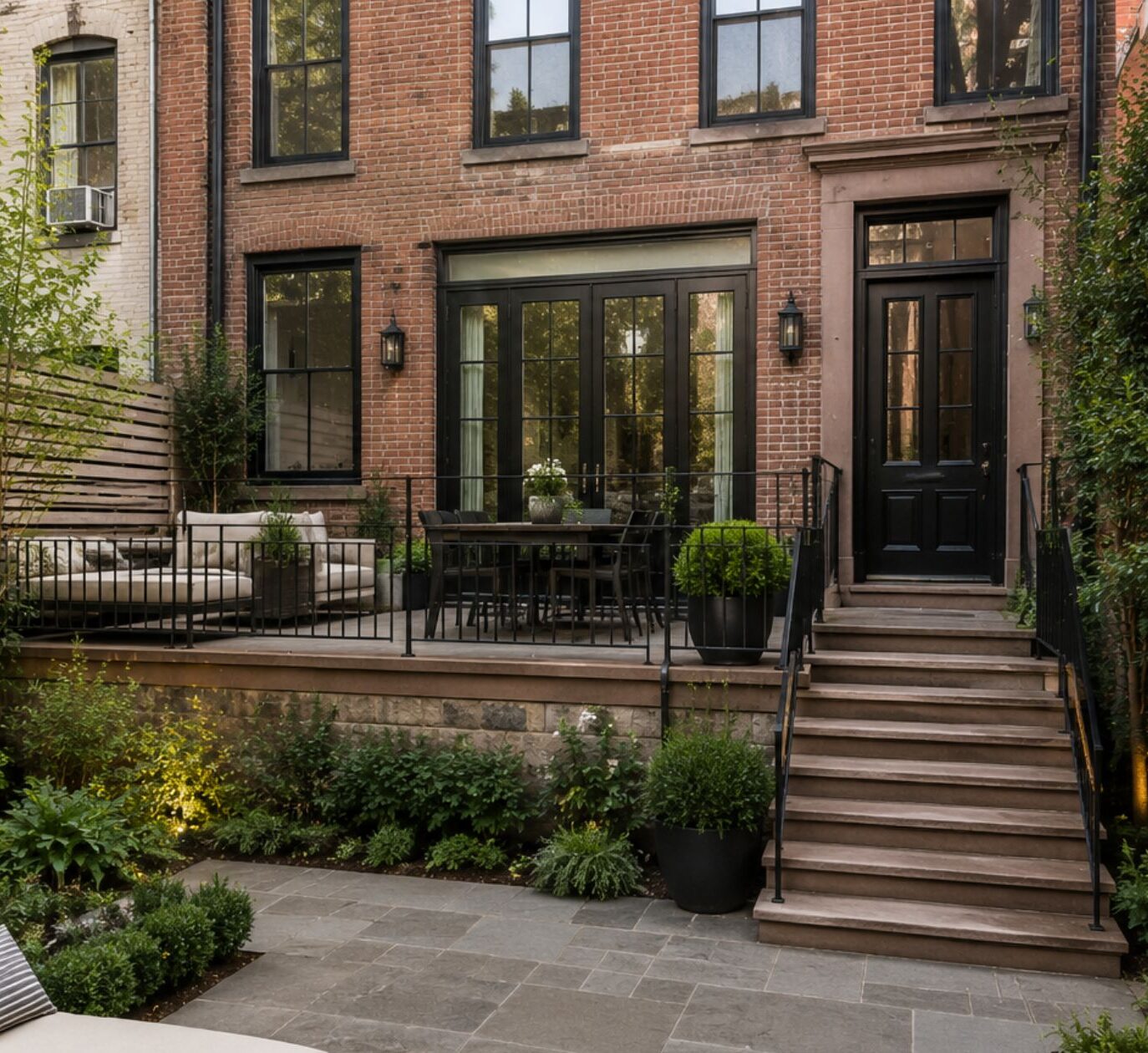
NYC Townhouse Backyard Extensions: Deck Permits & Zoning Laws
NYC Townhouse Backyard Extensions are one of the most effective ways to expand outdoor living...
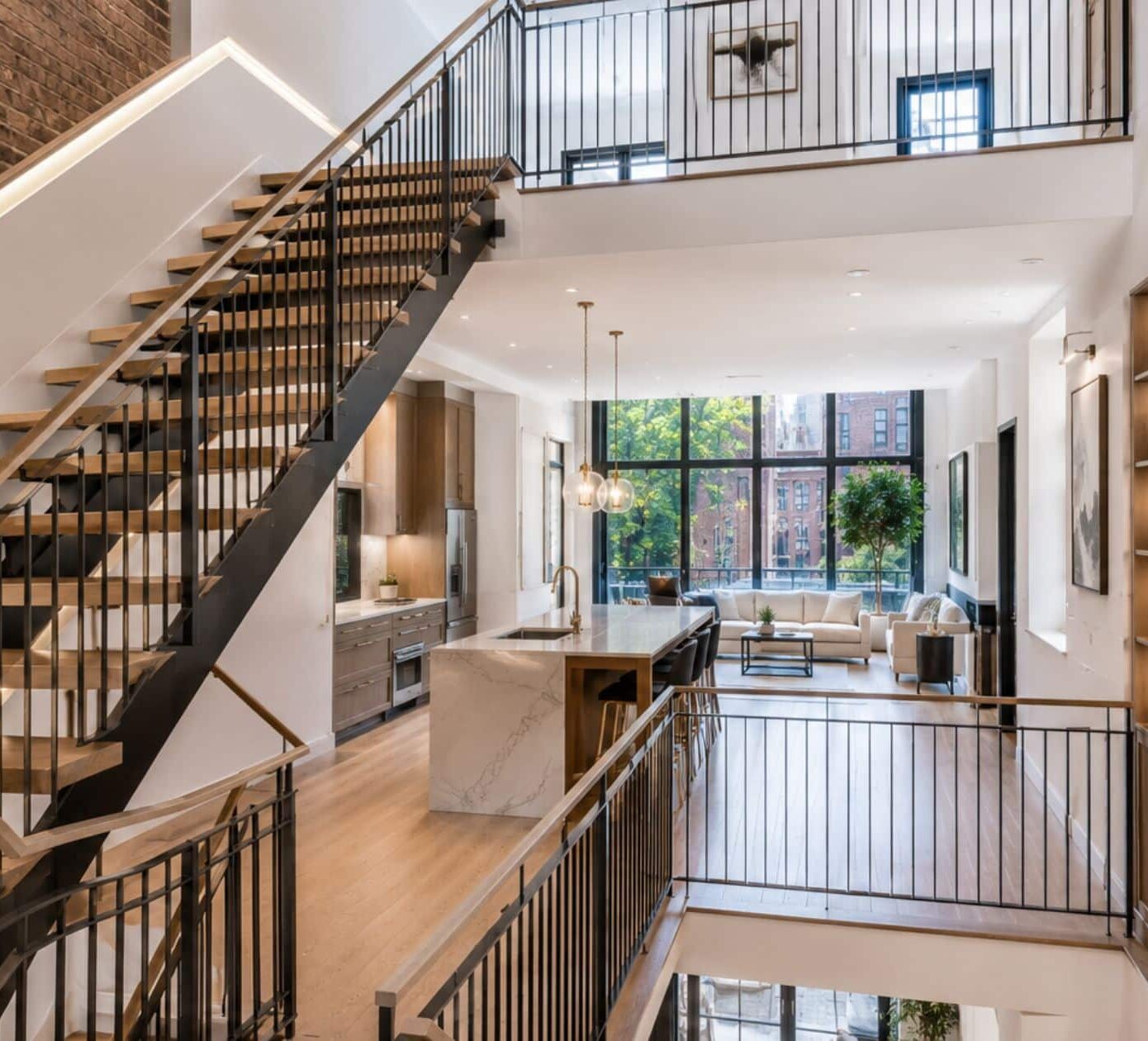
Converting NYC Multi-Family to Single-Family Townhouses: ALT-1 vs. ALT-2
NYC townhouse conversion projects often begin with the vision of transforming a divided brownstone or...
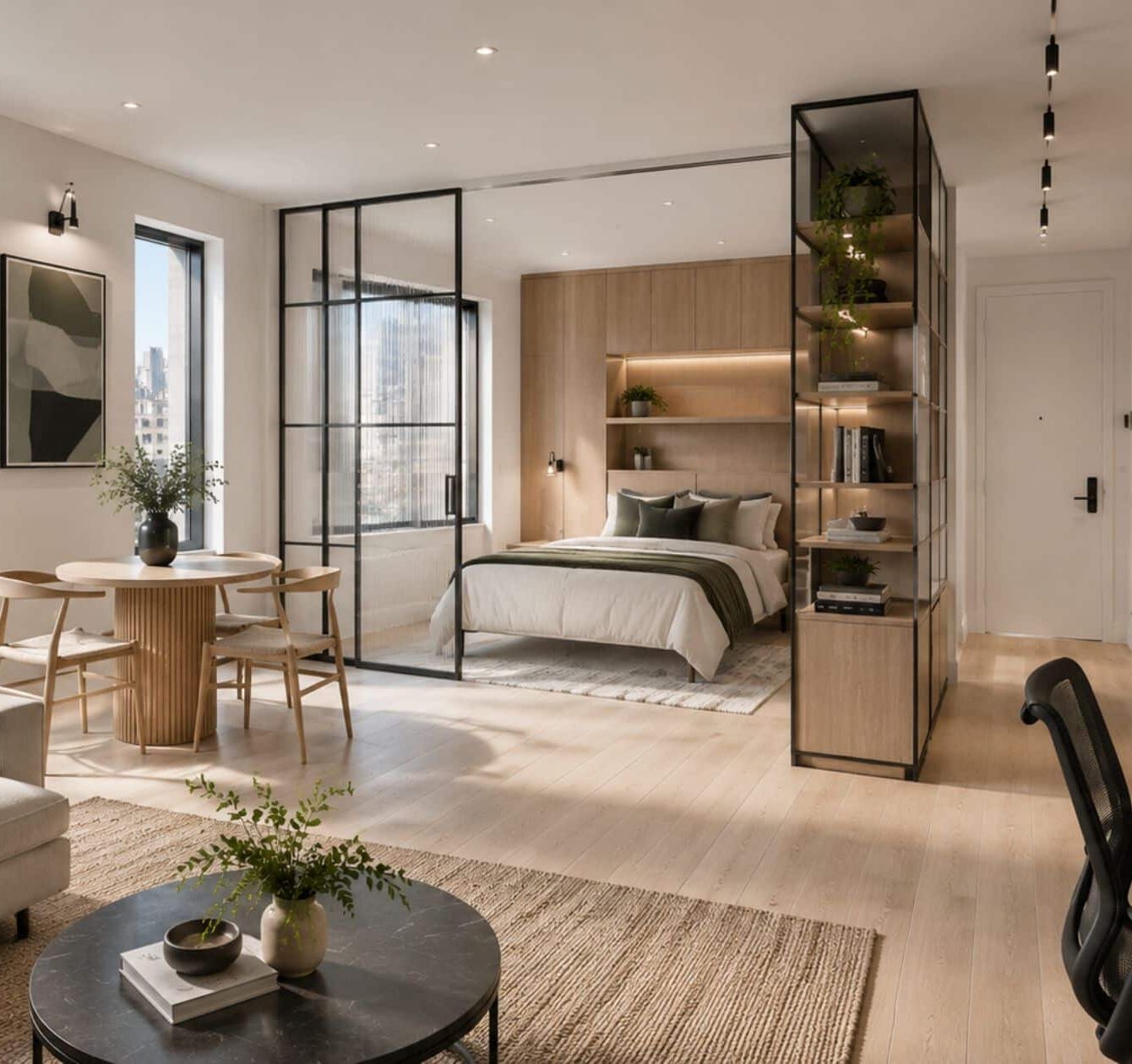
NYC Studio Apartment Renovation: How to Maximize Space with Smart Design
For the modern New Yorker, the studio apartment has officially graduated from a “starter” home...